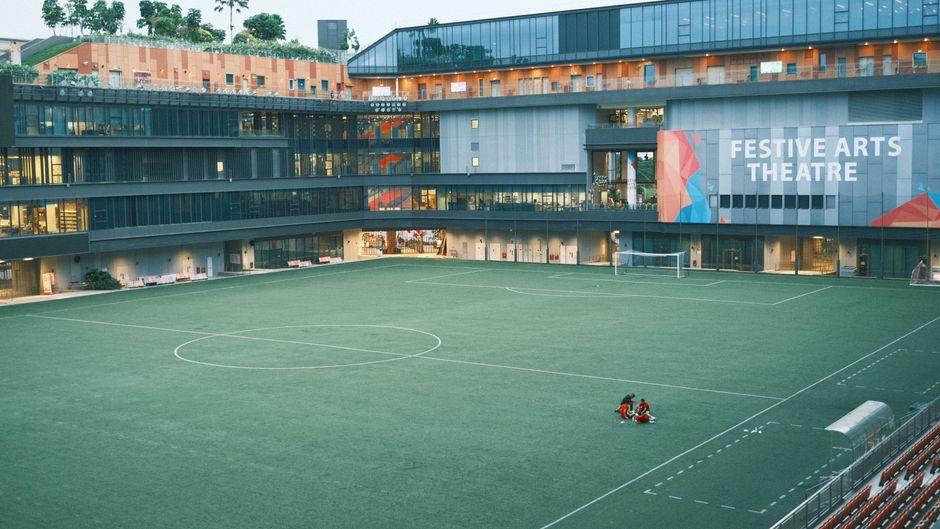
Walk through Kallang on any weekend morning, and you'll spot clusters of young players in training kits converging on the pitches near the Singapore Sports Hub. But the real story of Singapore's football renaissance isn't confined to elite venues—it's unfolding in neighbourhoods from Geylang to Jurong, where grassroots clubs are becoming the heartbeat of their communities.
The transformation reflects a broader shift in how local football operates. Over the past three years, participation in community-based clubs has grown by roughly 35 per cent, according to recent data from the Football Association of Singapore. More significantly, clubs are no longer viewed purely as competitive entities but as social anchors that strengthen neighbourhood cohesion.
Take Geylang United FC, which operates multiple training centres across the eastern corridor. Beyond their professional endeavours, the club runs subsidised coaching programmes for children in the Aljunied and Kallang constituencies, with participation fees capped at $20 monthly—roughly a third of private academy rates. "We wanted to ensure talent wasn't locked behind paywalls," explains the club's community liaison programme. The initiative has attracted over 400 young players since launch.
Similarly, in the heartlands, clubs like Balestier Central have embedded themselves within Housing and Development Board estates, hosting free kickabout sessions at neighbourhood parks and partnering with community centres along Upper Boon Keng Road. These aren't polished academies; they're organic gathering spaces where children, teenagers, and adults converge around a shared passion.
The financial model is shifting too. Rather than relying solely on match-day revenue, clubs are diversifying through corporate sponsorships, merchandise sales, and community fundraisers. Several have established foundation arms, channelling profits back into grassroots development. This year alone, over $2 million has been earmarked for youth development programmes across licensed clubs.
What's particularly striking is the intergenerational appeal. Neighbourhood clubs are attracting not just aspiring players but parents, grandparents, and lifelong fans. Weekend fixtures at smaller venues like Jurong East have seen attendance figures double compared to pre-2024 levels, driven largely by families seeking affordable entertainment and community engagement.
Singapore's football ambitions on the international stage remain modest, but domestically, the sport is experiencing a quiet revolution. By anchoring themselves in neighbourhoods and prioritising accessibility over exclusivity, local clubs are proving that football's greatest value may lie not in trophies, but in the bonds it forges across the island. For a city-state often defined by efficiency and competition, that's a victory worth celebrating.
This article was compiled by AI from the sources linked above and screened before publishing. See our editorial standards.