Singapore's fitness landscape has undergone a remarkable transformation over the past five years, with a proliferation of specialist gyms, boutique studios, and publicly-funded sports complexes fundamentally reshaping how residents approach training and wellness.
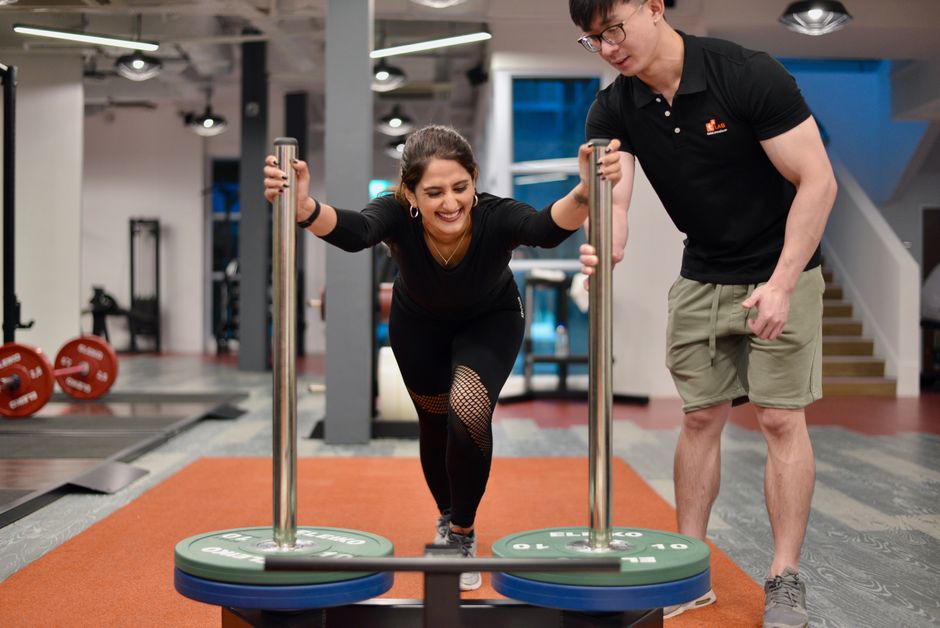
The shift is particularly visible in central neighbourhoods like Tiong Bahru and Duxton, where independent fitness operators have converted heritage shophouses into intimate training spaces. These venues typically feature functional fitness zones, Olympic lifting platforms, and personalised coaching—a stark contrast to the large, impersonal commercial chains that dominated the 2010s. Monthly membership fees at these boutique facilities range from $250 to $450, reflecting Singapore's positioning as a premium fitness market.
Meanwhile, the Sport Singapore network continues to expand its reach through publicly-funded sports centres across all five planning areas. The ActiveSG initiative, which provides subsidised access to residents, has proven instrumental in democratising fitness infrastructure. Community centres in Bedok, Clementi, and Jurong East now offer state-of-the-art weight training facilities, swimming pools, and multi-purpose courts at approximately $30 to $60 monthly for members earning under $14,000 annually.
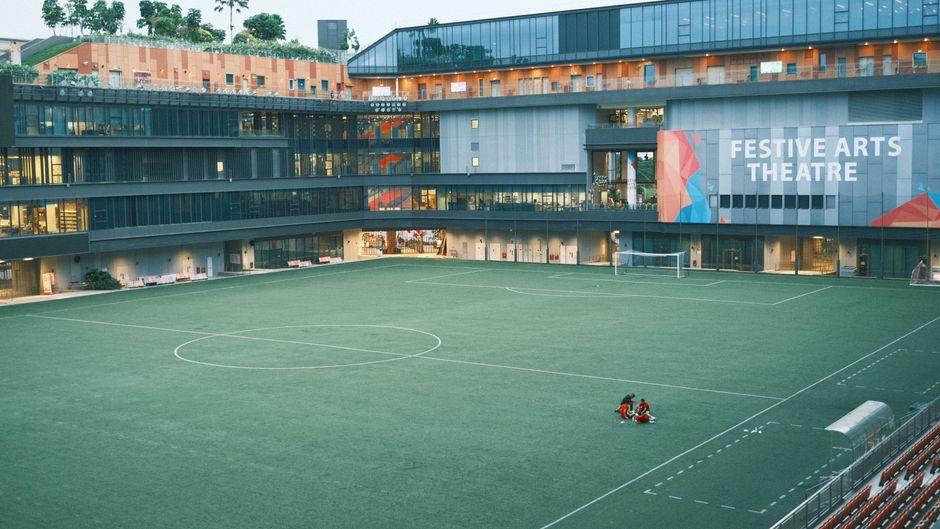
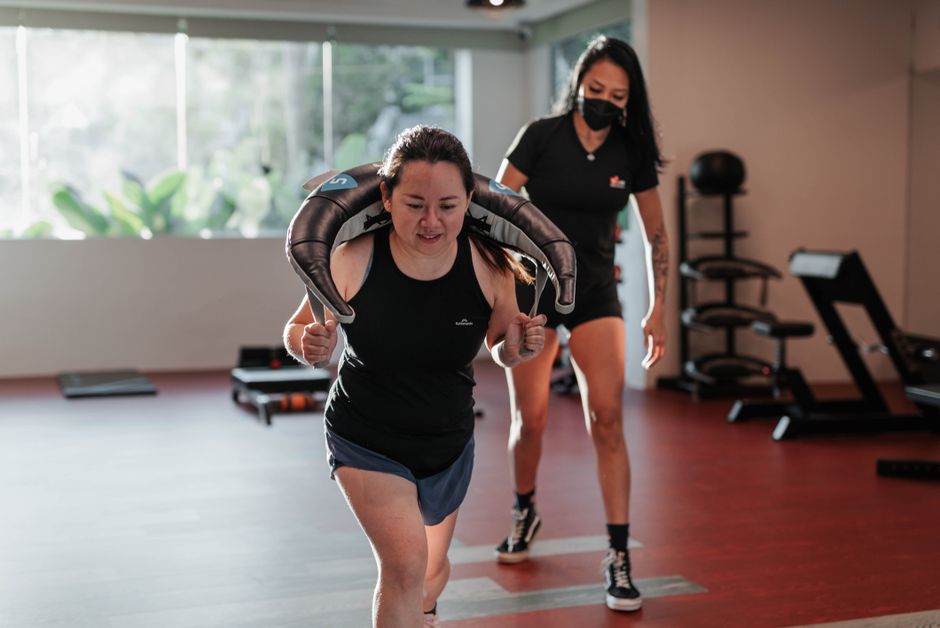
The Marina Bay area has emerged as Singapore's premier fitness destination, home to the revamped Sports Hub complex and several luxury wellness facilities catering to the expatriate and affluent local demographic. These venues offer integrated services—personal training, physiotherapy, sports medicine consultations—reflecting a growing emphasis on holistic athlete development rather than transactional gym memberships.
Beyond traditional gyms, niche training studios have proliferated across Orchard Road, Raffles Place, and Katong. CrossFit boxes, boutique cycling studios, and high-intensity interval training (HIIT) concepts now compete for market share, each targeting specific demographic segments. This specialisation mirrors global fitness trends, though Singapore's compact geography enables residents to access multiple facilities within a 15-minute commute.
The infrastructure supporting functional fitness has also matured significantly. Singapore's tropical climate initially posed challenges for outdoor training, prompting venues to invest in climate-controlled facilities with advanced ventilation systems. Several premium gyms in the CBD now feature dedicated outdoor training areas on rooftop spaces—a uniquely local adaptation to spatial constraints.
Looking ahead, the convergence of public investment through Sport Singapore and private sector innovation suggests the infrastructure supporting local fitness culture will continue fragmenting into distinct market segments: affordable public facilities for mass participation, and premium private venues for serious athletes and fitness enthusiasts willing to invest substantially in their training environments.
This article was compiled by AI from the sources linked above and screened before publishing. See our editorial standards.