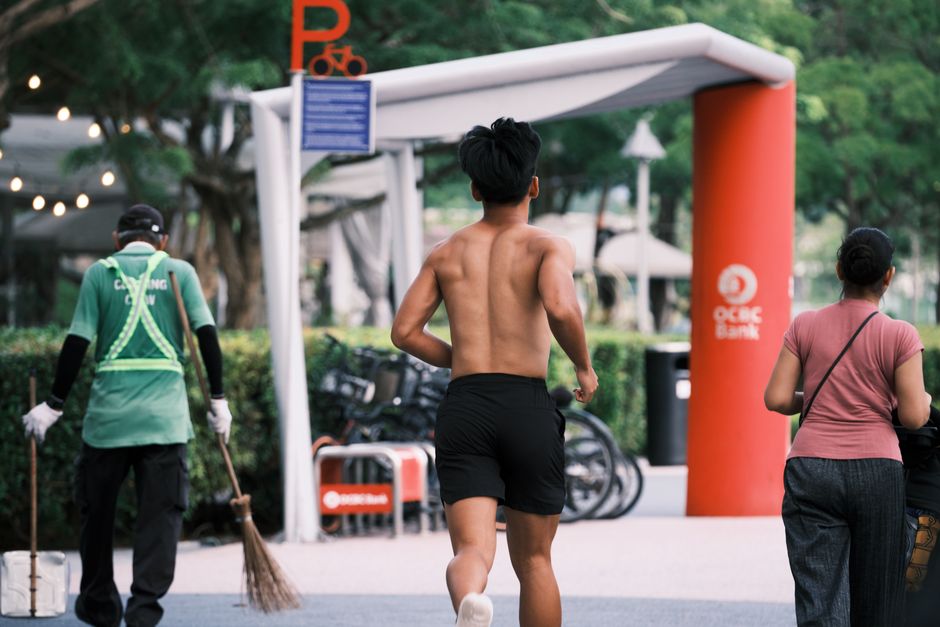
Every Saturday morning at 6:30am, before the East Coast Parkway fills with weekend traffic, dozens of runners gather near the Bedok Reservoir entrance. They are not training for the Southeast Asian Games. Many are office workers, retirees, and students who simply decided one day to lace up their shoes and join a community they discovered through a WhatsApp group.
This quiet revolution—the democratisation of endurance sports across Singapore—owes little to corporate sponsorships or government mandates. Instead, it reflects the tireless organising of volunteers who have transformed neighbourhood parks and reservoir loops into the backbone of mass participation athletics.
The numbers tell the story. Singapore's running calendar now features over 150 organised events annually, with the Standard Chartered Marathon alone attracting more than 40,000 participants across all categories. Yet beneath these flagship races lies an intricate web of grassroots clubs: the Biking Community at Bukit Timah Nature Reserve, the Tampines Eco Lake Cyclists, the Tanjong Pagar Triathlon Club, and countless others meeting weekly with zero entrance fees.
"We started with twelve people running around MacRitchie Reservoir in 2019," recalls one established running collective based in the Thomson area. Today, their membership exceeds 800, organised by pace groups that cater to everyone from beginners managing five kilometres to ultramarathon veterans. Similar stories repeat across every planning area—from Jurong Lake District to Punggol Waterway Park.
The infrastructure has adapted accordingly. The newly expanded Park Connector Network now spans 360 kilometres, providing safe routes that transformed cycling from a niche pursuit into a genuine transport alternative. Neighbourhood sports centres offer subsidised triathlon coaching at rates between S$15-40 per session, compared to S$80-150 at private facilities.
What distinguishes Singapore's grassroots movement is its deliberate inclusivity. Running clubs organised by nationality and language—Tamil-speaking groups in Little India, Mandarin-speaking collectives in Tiong Bahru—ensure no one feels isolated. Disability-inclusive cycling groups at Kallang River operate handcycles alongside conventional bikes. Women-only evening running groups address safety concerns that long deterred participation after dark.
Volunteers coordinate training schedules, maintain WhatsApp channels, organise water stations, and occasionally fundraise for community causes. They receive no compensation. Yet each month, new groups form, responding to genuine demand from Singaporeans seeking affordable, accessible ways to build fitness and community.
As Singapore pursues its vision as a sporting nation, the true engine of growth may not be Olympic ambitions or new stadiums. It is the unglamorous work of ordinary people opening their parks and pathways to anyone willing to show up.
This article was compiled by AI from the sources linked above and screened before publishing. See our editorial standards.