Walk past Tanjong Rhu on any weekend morning and you'll spot clusters of teenagers clustered around badminton courts, their coaches calling out drills in Mandarin and English. This scene—once dominated by school teams and elite academies—reflects a quiet revolution unfolding across Singapore's grassroots sports landscape.
Youth sports clubs operating from community centres and void decks across the island are experiencing unprecedented growth. The Sports Singapore statistics released last year showed that participation in community-based youth programmes increased by 23 per cent over three years, with over 50,000 young Singaporeans now engaged in structured grassroots activities beyond school PE lessons.
"We started with just 15 kids at Clementi Community Club in 2019," explains one local badminton programme coordinator. "Now we're running four sessions weekly and have a waiting list of 80. Parents see us as affordable and accessible—a single session costs $5 to $8, compared to private academies charging $50 or more."
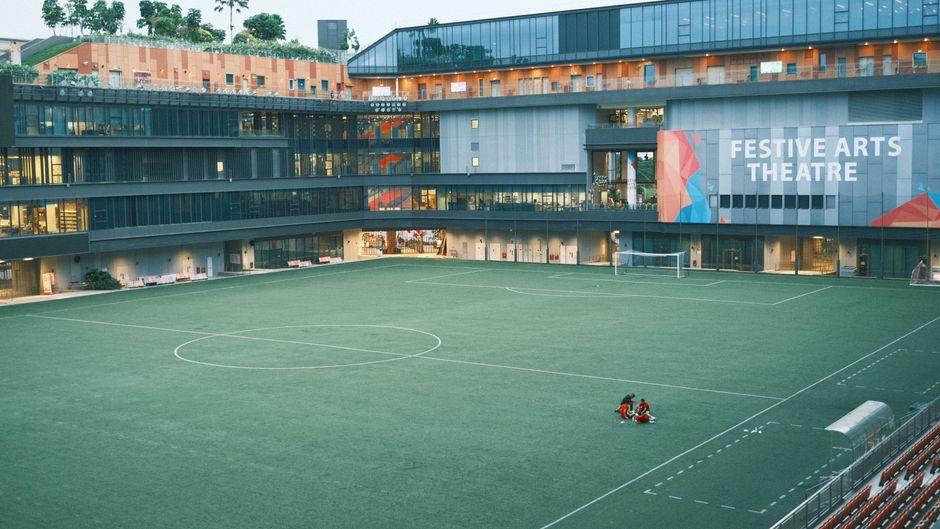
This accessibility is reshaping neighbourhoods like Geylang, Bukit Batok, and Tampines, where modest facilities have become community anchors. The East Coast Community Club recently expanded its basketball court to accommodate surging demand from nine to sixteen-year-olds. Bedok Sports Centre now hosts three youth football clubs operating on rotating schedules, turning what was previously underutilised space into a thriving youth ecosystem.
The model extends beyond individual clubs. Networks like the Community Club Sports Alliance now coordinate activities across 20 venues island-wide, offering coaching certifications and inter-club tournaments that motivate young athletes without the pressure of elite selection systems. Last year's Grassroots Youth Games attracted 3,200 participants from 127 clubs—a 40 per cent jump from 2024.
Beyond medals and competition records, these clubs are addressing social gaps. Many offer subsidised or free sessions for lower-income families, while volunteer coaches—often former school athletes or semi-retired players—inject mentoring into training. Staff at several Yishun-based clubs report that participation in structured youth programmes has correlated with improved school attendance and reduced youth delinquency markers in surrounding areas.
Challenges persist: coach quality remains uneven, facilities still lag behind demand, and retention rates drop significantly after age 14. Yet momentum is undeniable. Private donors and corporate sponsors are increasingly backing grassroots initiatives, recognising that sustainable elite pathways begin in community centres, not academies.
As Singapore continues balancing elite sporting ambitions with holistic youth development, these thriving neighbourhood clubs suggest the answer isn't either-or. It's both: building champions while building communities.
This article was compiled by AI from the sources linked above and screened before publishing. See our editorial standards.