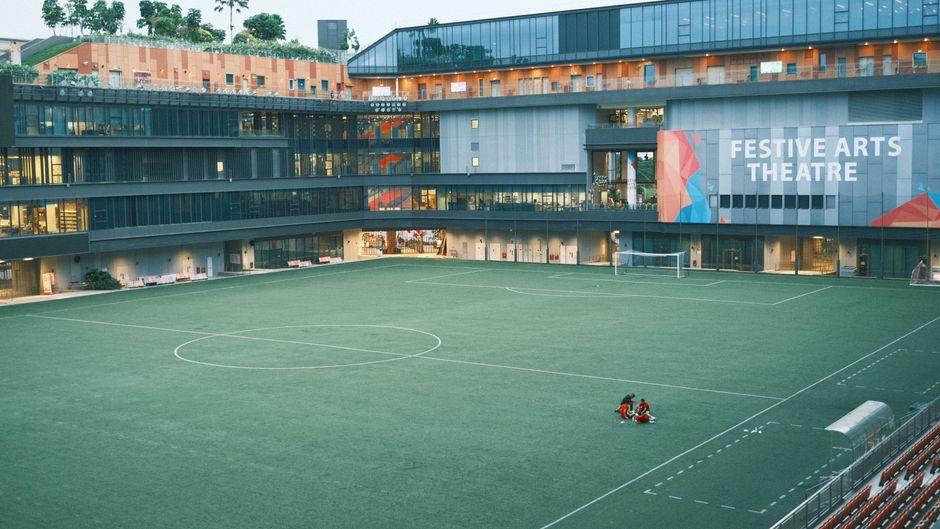
Singapore's football landscape has undergone a seismic shift over the past decade, with strategic investment in venues and facilities finally matching the ambitions of the Football Association of Singapore. The transformation isn't just architectural—it's reshaping how the sport is played, watched, and developed across the island.
The centrepiece remains the 55,000-capacity National Stadium in Kallang, which underwent a $226 million redevelopment completed in 2014. Today, it hosts not only Singapore's national team and the league's premier fixtures but also major international tournaments. The venue's hosting of AFC Cup matches and continental competitions has elevated the profile of local football, attracting regional talent and generating crucial revenue streams.
But the story extends far beyond Kallang. The Singapore Sports Hub, also anchored in the Kallang precinct, has become a gravitational centre for sporting excellence. The integrated facility includes training grounds and modern amenities that have attracted clubs and academies, creating an ecosystem that supports player development from youth to professional levels.
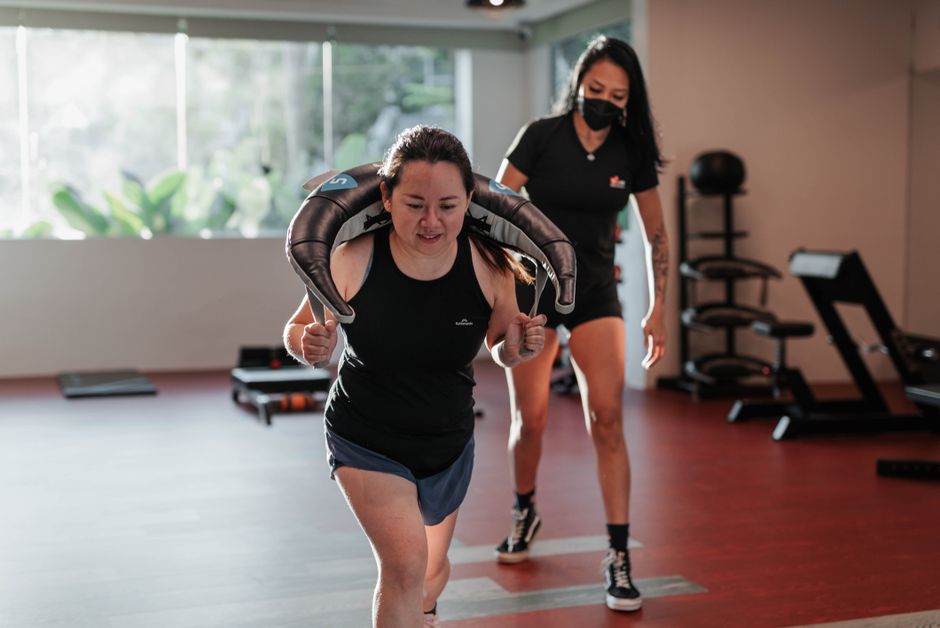
Complementing this are state-of-the-art training facilities scattered across the island. The Football Association operates multiple training bases, including dedicated centres in the East and West regions, equipped with FIFA-standard synthetic pitches and video analysis suites. Private clubs have also invested substantially—several Singapore Premier League sides now operate their own training complexes with gymnasium facilities, physiotherapy wings, and recovery areas that rival facilities in regional powerhouses.
The expansion has cascaded into grassroots infrastructure. Over 140 community clubs now access improved pitch quality and lighting at neighbourhood venues across Bukit Batok, Toa Payoh, and Bedok. The Housing Development Board's partnership with the sports authority has modernised around 60 football pitches at void decks and community centres, ensuring accessibility remains a cornerstone.
Financially, the investment pays dividends. Singapore's hosting of the AFC Women's Asian Cup in 2022 generated significant economic activity, while the consistent upgrades have attracted corporate sponsorship—domestic and regional companies view modern facilities as prerequisites for partnership. The league's average attendance has recovered to pre-pandemic levels, with the Stadium regularly drawing crowds exceeding 8,000 for competitive fixtures.
Looking ahead, plans for additional training academies and smaller multipurpose venues in underserved districts suggest policymakers recognise that infrastructure drives participation. As Singapore competes for regional sporting relevance, these facilities have become non-negotiable—the physical foundation upon which competitive ambitions rest.
This article was compiled by AI from the sources linked above and screened before publishing. See our editorial standards.