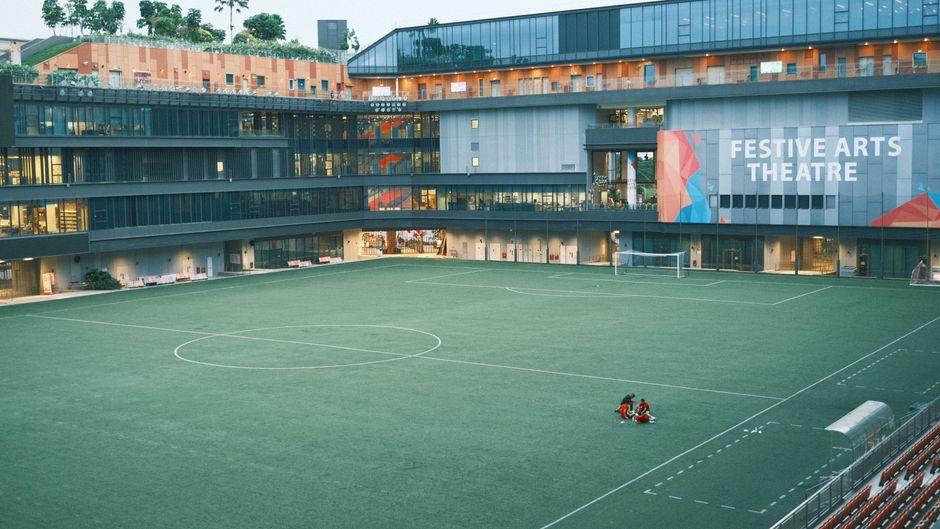
Walk into Kallang Basin on any Saturday morning and you'll witness the backbone of Singapore's youth sports ecosystem in action. Young footballers weave between cones on freshly maintained pitches, swimmers cut through Olympic-standard pools, and badminton players rally under LED-lit courts—all part of an intricate network of facilities that have become central to developing homegrown talent.
The infrastructure supporting grassroots sports in Singapore has undergone significant transformation. The Sport Singapore (SportSG) network now manages 24 community sports clubs across all five districts, with facilities ranging from traditional community centres in Clementi, Jalan Besar, and Tanjong Rhu to purpose-built regional hubs. Each venue offers subsidised access for youth programmes, with membership fees kept deliberately affordable—critical for ensuring socioeconomic diversity among young athletes.
Recent investments have been particularly strategic. The newly renovated ActiveSG facilities at Bishan and Bedok now feature enhanced badminton courts, air-conditioned training spaces, and specialist coaching zones. Tanjong Rhu, historically a cricket and water sports stronghold, has expanded its capacity with improved changing facilities and dedicated youth training slots. These upgrades aren't merely cosmetic; they reflect Singapore's recognition that facility quality directly impacts athlete development and retention rates.
The island's sports clubs—numbering over 800 registered associations—operate across these venues, from established outfits managing multiple sports to specialist organisations targeting niche disciplines. Clubs typically operate on modest budgets, relying heavily on subsidised rental rates and government grants. Court hire at community centres costs between $20-$50 per hour, significantly lower than private facilities, making structured training accessible beyond elite academy pathways.
However, challenges persist. Peak-hour demand for facilities, particularly badminton and basketball courts, often exceeds availability. Schools remain gatekeepers of after-hours access, and disparities exist between developed precincts and emerging neighbourhoods. Youth from areas like Punggol, despite rapid population growth, still face longer commutes to premier training venues.
The focus now shifts toward consolidating gains. SportSG's integrated digital booking system has improved facility scheduling, while partnerships between clubs, schools, and commercial operators are creating redundancy in the network. Emerging hubs in growth areas like Tengah represent forward-thinking investment, ensuring that grassroots infrastructure keeps pace with demographic shifts.
For Singapore's young athletes, these facilities represent more than concrete and courts. They're equalising forces—the infrastructure that transforms raw talent into competitive advantage, regardless of postal code or family background.
This article was compiled by AI from the sources linked above and screened before publishing. See our editorial standards.