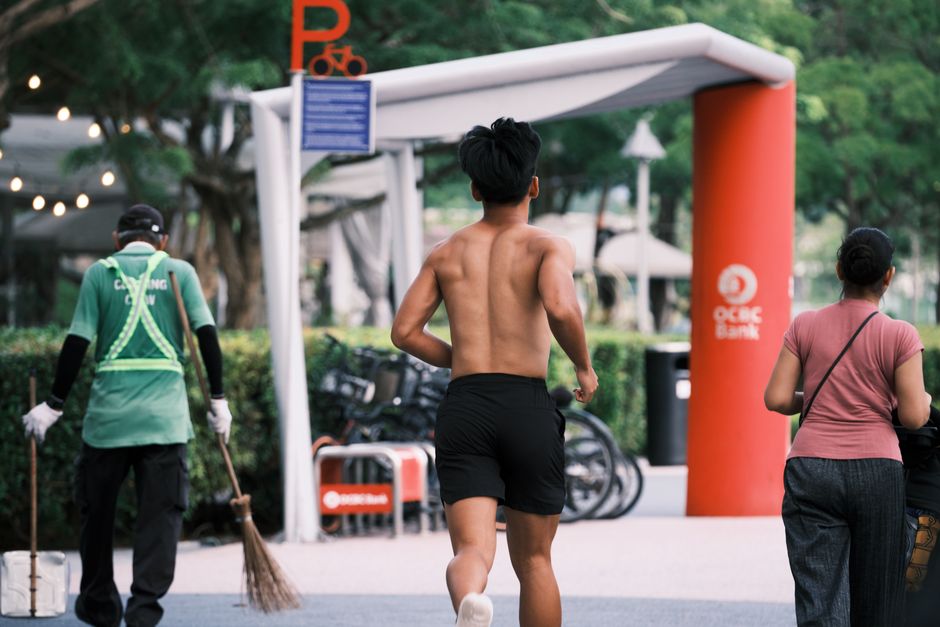
On any given Saturday morning, the carpark near the Kallang Tennis Centre fills with bicycles and running shoes by 6am. This scene—replicated across Bukit Timah, Marina Bay, and Bedok—represents something quietly significant in Singapore's sporting landscape: the rise of genuine grassroots endurance culture, built not by top-down sports bodies but by everyday athletes who simply wanted to run, cycle, and swim together.
The numbers tell part of the story. Running clubs registered with active community platforms have grown from roughly a dozen in 2015 to over 150 by 2025. Cycling groups operating formal training schedules now number in the double digits, while triathlon clubs—once niche—now report combined memberships exceeding 8,000 participants. These aren't official statistics; they're organic, volunteer-managed ecosystems.
What distinguishes this movement is its accessibility model. Most running groups charge nothing or minimal fees—typically $2-5 per session to cover route planning and volunteer marshals. Cycling collectives operate similarly, with established routes through Thomson Road, the Pan-Island Expressway cycling paths, and around Pulau Ubin drawing hundreds weekly. Triathlon training groups often coordinate shared pool time at facilities like ActiveSG centres, dramatically reducing per-person costs below $50 monthly.
The infrastructure has evolved organically. Runners discovered that the 15-kilometre East Coast Park loop accommodated various paces. Cyclists mapped out safer corridors and documented rest points. Triathletes identified quieter swimming windows at public pools and negotiated informal arrangements with facility operators. These communities didn't wait for official lane designations or dedicated infrastructure—they optimised what existed.
Perhaps most significantly, these grassroots networks have created mentorship pathways invisible in formal sports structures. Experienced marathoners now pace newcomers. Veteran cyclists coach climbing techniques. Advanced swimmers structure beginner triathlon coaching. This peer-led knowledge transfer has democratised endurance sport in ways expensive commercial gyms never achieved.
The movement faces real challenges: safety concerns on roads, inconsistent facility access, and the ever-present pressure of Singapore's demanding work culture. Yet participation persists, suggesting something deeper than fitness trends—a genuine community need for structured, affordable, social endurance activity.
As one neighbourhood after another develops its own running trail community or weekend cycling group, what's remarkable isn't any individual achievement, but that thousands of ordinary Singaporeans have collectively built an alternative sporting ecosystem from scratch, without waiting for permission or investment.
This article was compiled by AI from the sources linked above and screened before publishing. See our editorial standards.