Singapore's fitness landscape has undergone a remarkable transformation this week, with gym operators reporting their strongest membership intake in five years. Industry data shows the island's active gym membership base has surpassed 180,000 people, driven by a renewed focus on functional fitness and group training experiences that dominated conversations across fitness hubs from Clementi to Marine Parade.
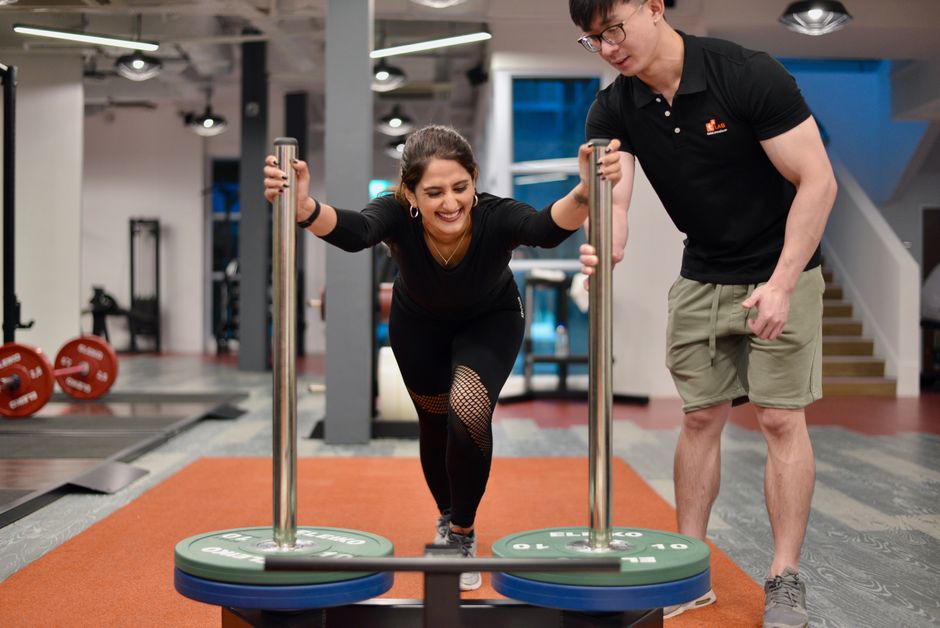
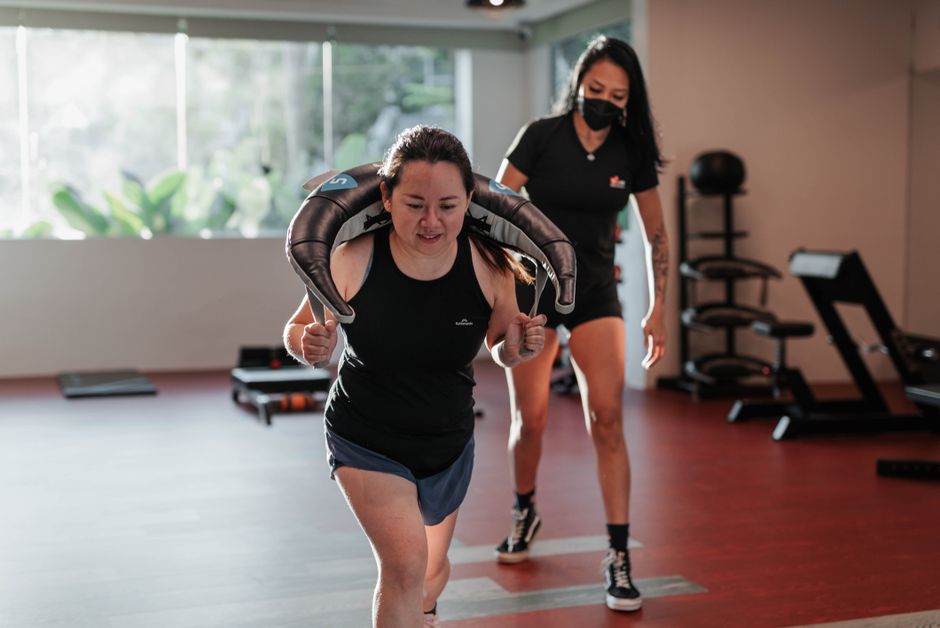
The surge reflects a broader cultural shift away from traditional cardio-focused routines. At facilities like F45 Training in Raffles Place and CrossFit boxes throughout Outram Park, instructors have noted a marked increase in demand for high-intensity interval training and strength-conditioning programmes. "We're seeing Singaporeans prioritise compound movements and measurable performance metrics," explains Kelvin Teo, head trainer at a prominent facility near Bukit Timah. Monthly membership packages, typically ranging from SGD$150 to SGD$350 depending on location and amenities, now include hybrid digital coaching as standard offerings.
This week's standout moment came during the Singapore CrossFit Open qualifiers held at a Tanjong Pagar warehouse venue, where over 120 athletes competed in scaled and elite divisions. The competition showcased the maturation of functional fitness in Singapore, with participants demonstrating technical proficiency in Olympic lifts and gymnastic movements that would have seemed niche just three years ago.
Boutique fitness studios—specialising in yoga, spinning, and Pilates—have equally capitalised on the trend. Studios in Orchard and the Central Business District report class attendance up 35 per cent month-on-month. The popularity of low-impact, mind-body disciplines reflects how Singaporeans increasingly view fitness as holistic wellness rather than purely aesthetic goals.
Recovery and nutrition have emerged as complementary growth areas. Cryotherapy clinics and sports massage services near major gym clusters in the CBD and Jurong East now operate at near-full capacity. Nutritionists report that clients increasingly ask about periodised eating protocols aligned with their training cycles—a sophistication that mirrors global best practices.
However, affordability remains a concern. While premium facilities charge premium rates, budget-conscious fitness enthusiasts continue fuelling the growth of community-led initiatives and public sports facilities managed by Sport Singapore across housing estates.
As the island's fitness community gears up for mid-year challenges and summer training camps, one thing is clear: the era of one-size-fits-all gym memberships has definitively ended. Singaporeans now demand specialisation, data-driven programming, and community—and the market is responding at pace.
This article was compiled by AI from the sources linked above and screened before publishing. See our editorial standards.