From Void Decks to Glory: How Grassroots Leagues Built Singapore's Community Sport Movement
While elite athletes grab headlines, thousands of everyday Singaporeans are quietly building a thriving amateur sports culture that has transformed neighbourhoods across the island.
This article was generated by AI from the linked public sources. The Daily Singapore is independently owned and covers Singapore news free from advertiser or sponsor influence. Read our editorial standards →
On Tuesday evenings, the badminton courts at Jurong East Sports Centre fill with the familiar sounds of shuttlecocks and friendly banter. Among the regulars is a mixed-ability recreational league that has grown from a handful of enthusiasts in 2019 to over 80 active members today. This scene, replicated across Singapore's neighbourhoods, tells the story of how grassroots sports have evolved from informal weekend kickabouts to organised, thriving community movements.
The infrastructure supporting amateur leagues has expanded dramatically. Sport Singapore's Community Sports Clubs network now encompasses more than 1,400 registered clubs, with participation climbing steadily. Registration fees for amateur leagues typically range from $30 to $80 per season, making competitive sport accessible to working professionals and families alike. In the past eighteen months alone, applications for new amateur clubs in the East Coast, Bukit Merah, and Clementi zones have surged by nearly 40 percent.
What drives this grassroots phenomenon? Community leaders point to a shift in mindset. "People realise sport isn't just about winning medals at national level," explains the appeal of neighbourhood-based futsal leagues in Ang Mo Kio, which have spawned six affiliated teams playing in informal weekend tournaments. These spaces—whether at HDB void decks, community centres, or parks like Marina Barrage—have become social anchors, particularly for young professionals seeking connection beyond their workplaces.
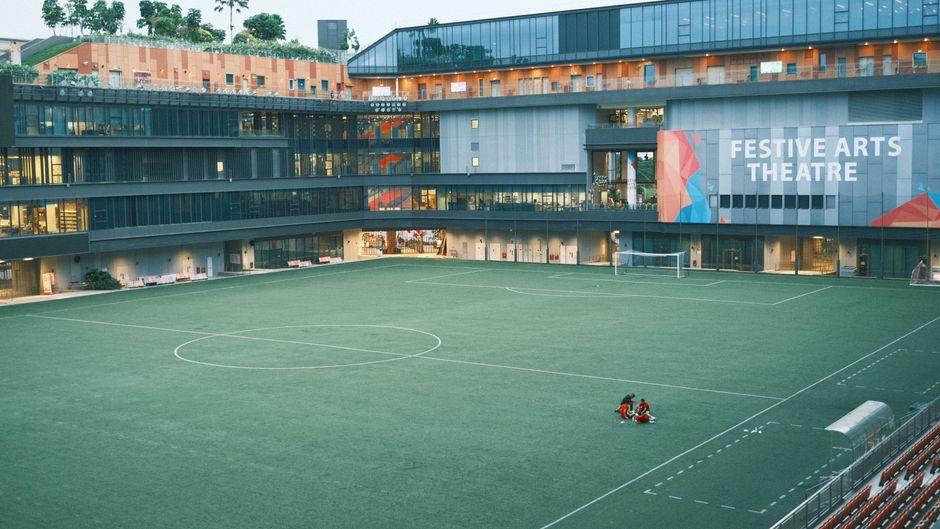
The Amateur Football League (AFL) and amateur netball circuits illustrate this growth. The AFL's Division 2 saw over 50 teams compete last season, up from 32 teams five years ago. Women's participation has been particularly striking, with female-only and mixed amateur teams now accounting for roughly 35 percent of all registered amateur football clubs in Singapore.
Yet challenges persist. Court and pitch availability remains constrained during peak hours, with many facilities requiring bookings months in advance. Volunteer burnout among club committee members also threatens smaller organisations. The costs of organising tournaments—umpires, equipment, permits—can strain amateur treasuries, especially for newer clubs in less affluent neighbourhoods.
Despite these hurdles, the movement's momentum feels genuine. From Tanjong Pagar's table tennis circles to Punggol's basketball communities, ordinary Singaporeans have built something remarkable: a sports culture where participation, friendship, and local pride matter as much as podium finishes. The real story of Singapore's sporting future may well be unfolding not at the National Stadium, but in the courts and fields where neighbours become teammates.
This article was compiled by AI from the sources linked above and screened before publishing. See our editorial standards.
Covering sport in Singapore. This article was generated by AI from the linked sources and was not reviewed by a human editor before publishing. See our editorial standards.