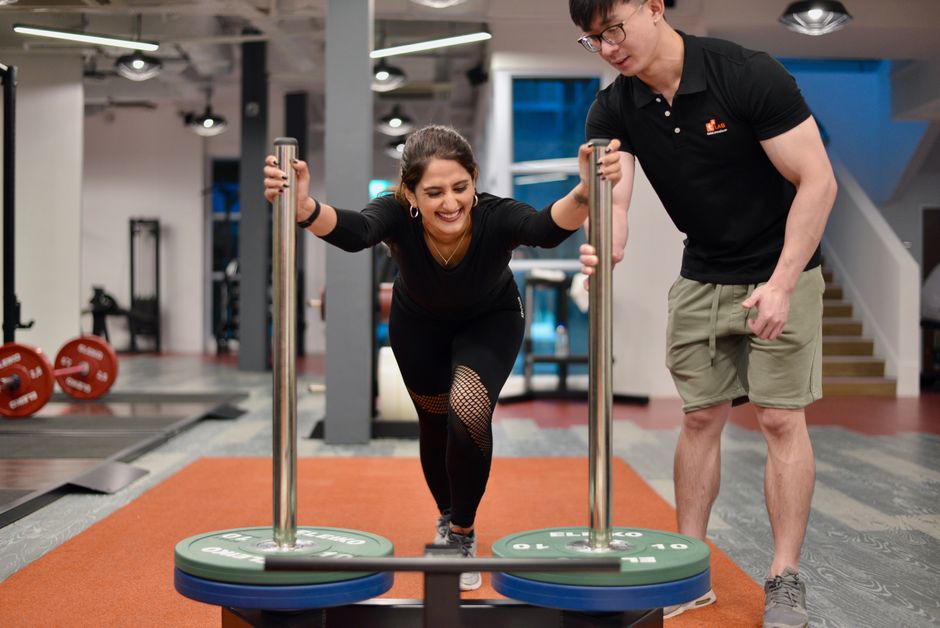
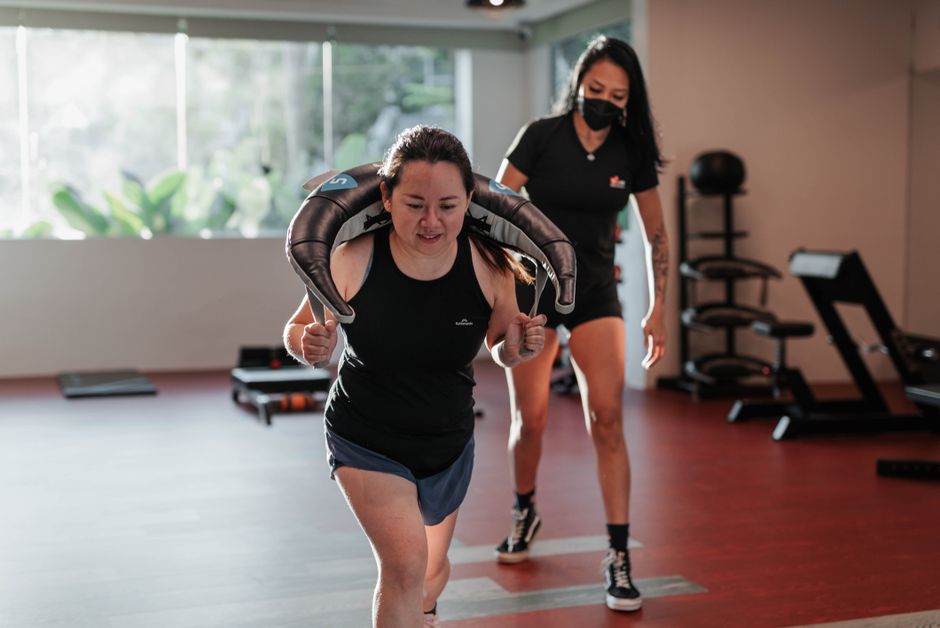
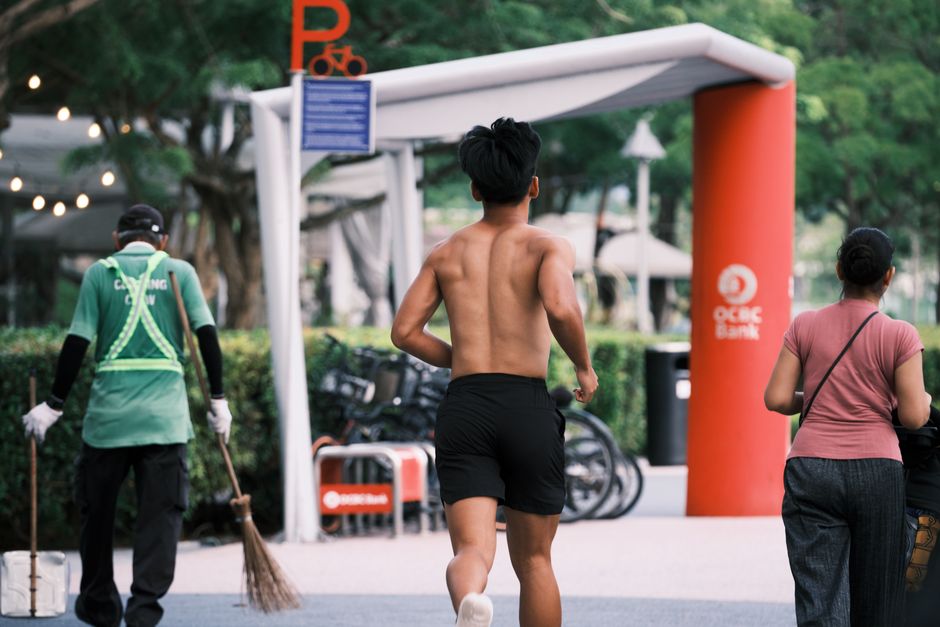
On a humid Tuesday evening in Clementi, a dozen residents gather under the harsh fluorescent lights of a void deck, working through circuit training routines. No fancy equipment. No monthly membership fees. Just neighbours, dumbbells fashioned from PVC pipes, and a shared commitment to fitness that has nothing to do with Instagram aesthetics.
This scene, replicated across public housing estates from Ang Mo Kio to Woodlands, represents a fitness revolution playing out beneath the radar of Singapore's premium gym industry—one worth an estimated $300 million annually. While boutique studios charge $180 to $250 per class, grassroots fitness collectives are proving that community-driven sport requires neither prestige nor price tags.
"The commercial gyms serve a purpose, but they exclude people," says a fitness volunteer coordinator based in Bukit Merah, who has organised free training sessions at void decks and community centres since 2021. "Membership costs, transportation, intimidation factor—these barriers keep many Singaporeans sedentary. Grassroots initiatives remove that friction."
The movement gained momentum during the pandemic, when lockdowns forced fitness outdoors and into neighbourhoods. Today, organisations like Sport Singapore's ActiveSG programme have formalised this ethos, offering subsidised classes at over 20 community sport centres islandwide. A 10-class package costs just $60—a fraction of commercial gym rates.
But the real engine driving this movement remains volunteer-powered. Housing estates like Toa Payoh and Jurong East host regular outdoor bootcamps, yoga sessions, and badminton meets organised entirely by residents. These initiatives have cultivated something gyms struggle to replicate: genuine community connection. Members know each other's names, their fitness journeys, their obstacles.
The data reflects this shift. A 2024 ActiveSG survey found that 38 per cent of Singaporeans aged 25-45 now participate in community-organised fitness activities, up from 22 per cent in 2019. Meanwhile, commercial gym membership growth has plateaued at 15 per cent annually.
"Gyms sell fitness as a product," observes a community development officer working with Outram Park residents. "Grassroots movements frame it as a social good—something that strengthens neighbourhoods, not just individual physiques."
As Singapore's population ages and healthcare costs rise, these neighbourhood fitness collectives are quietly becoming essential public health infrastructure. They prove that elite facilities aren't prerequisites for active living. Sometimes, all you need is a void deck, volunteers with genuine passion, and neighbours willing to show up.
This article was compiled by AI from the sources linked above and screened before publishing. See our editorial standards.