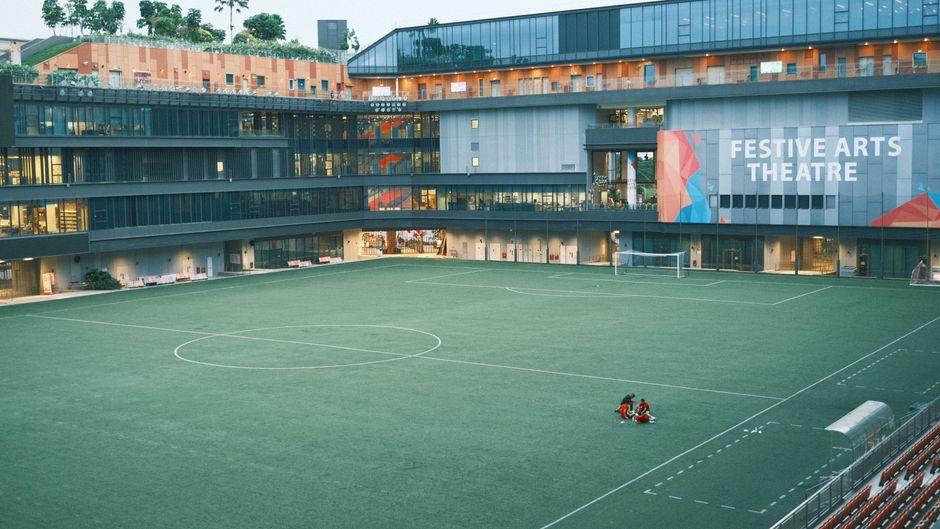
Walk through the Kallang neighbourhood on any given evening and you'll witness the backbone of Singapore's football ecosystem in action. The iconic National Stadium, with its 55,000-seat capacity, stands as the spiritual home of the Lions, while nearby, the Jalan Besar Stadium—recently upgraded with enhanced pitch quality and training facilities—serves as a secondary venue for both domestic leagues and national team fixtures.
But it's away from the spotlight where infrastructure truly matters. The Football Association of Singapore's sprawling training complex at Bedok, spanning over 40 acres, hosts seven full-sized pitches where both elite and grassroots players hone their craft. Investment in this facility has been substantial, with the FA allocating resources to maintain world-standard surfaces and drainage systems essential for year-round training in Singapore's tropical climate.
The Bukit Batok Sports Complex represents another pillar of local football development. Home to multiple community clubs and the Singapore Premier League's training hubs, the facility attracts upwards of 3,000 users monthly across its five pitches. Membership at such centres ranges from SGD 50 to 150 monthly, making structured training accessible to mid-tier players pursuing semi-professional careers.
Professional infrastructure extends to the private sector. Clubs like Tampines Rovers and Lion City Sailors operate their own dedicated facilities—the former maintaining a state-of-the-art complex in the eastern stretches of the island, the latter benefiting from newly constructed grounds that rival regional standards. These venues attract sponsorship worth millions, enabling local talent to train under conditions comparable to European academies.
The Sports Hub precinct, which encompasses Kallang's broader ecosystem, remains crucial. Beyond football, its integrated approach to multi-sport facilities reflects Singapore's strategic thinking: shared infrastructure, optimised operational costs, and concentrated training environments that foster competitive excellence across disciplines.
Yet challenges remain. Pitch availability during monsoon seasons, maintenance costs amid relentless usage, and the perpetual tension between professional demands and grassroots accessibility define ongoing discussions among administrators. The Football Association continues investing approximately SGD 8-10 million annually in facility upgrades, a commitment that underscores the federation's belief that infrastructure investment directly translates to on-field performance.
As Singapore's national team competes regionally and globally, the infrastructure supporting them—from elite training grounds to community pitches across constituencies—represents an often-overlooked competitive advantage. In football, as in city planning, foundations matter.
This article was compiled by AI from the sources linked above and screened before publishing. See our editorial standards.