Football participation in Singapore has surged over the past three years, with grassroots registrations climbing 34 per cent since 2023, according to data compiled by the Football Association of Singapore (FAS). The trend offers a revealing snapshot of how local fitness culture is evolving—away from solitary treadmill sessions and towards the kind of collective, purpose-driven activity that keeps people returning week after week.
The numbers are striking. Adult recreational league participation has grown from roughly 8,400 players in 2023 to over 11,200 in 2026. Women's football participation has nearly doubled, climbing from 2,100 to 4,100 players. Most tellingly, players aged 35 and above now comprise 18 per cent of all grassroots participants, up from 11 per cent three years ago. These are not gym statistics—they are signs of a fitness culture increasingly built on social connection.
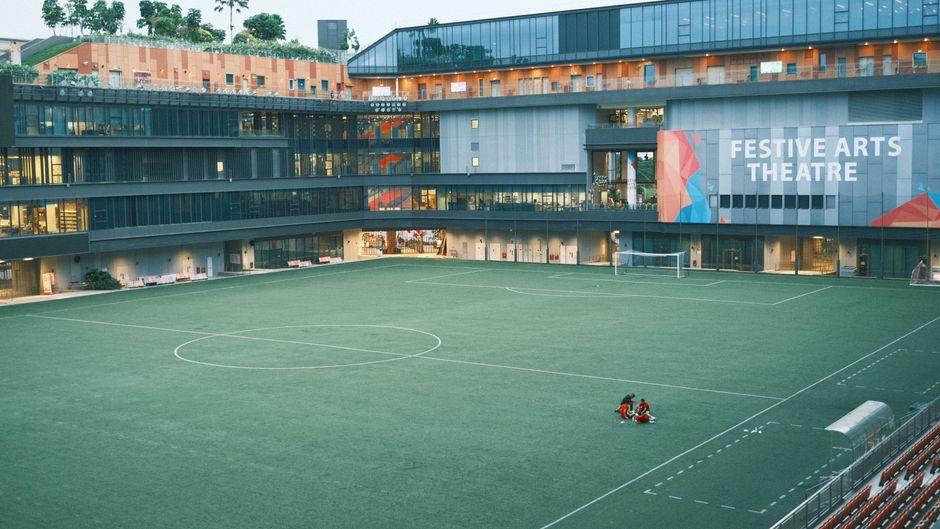
Across Singapore's football hotspots—from the well-maintained pitches at Kallang, to the neighbourhood courts dotting Clementi and Ang Mo Kio, to the suburban grounds in Jurong—the evidence is visible. Evening matches at Jalan Besar Stadium and Marine Parade's community facilities draw dozens of recreational teams weekly. A typical five-a-side league session at private operators like KAYA and Kickabout Soccer costs between $15 and $25 per player per match, making it competitive with budget gym memberships that average $50 to $80 monthly.
What sets football apart, fitness experts suggest, is the engagement factor. Unlike solitary cardio routines, team sports create accountability. Missing a match means letting down teammates—a powerful motivator that gym-goers lack. Dr. Tan Wei Ming, head of sports medicine at a major local institution, notes that persistence rates in team sports typically exceed individual fitness programs by 40 per cent, a pattern reflected in Singapore's retention numbers.
The shift also mirrors broader global trends, but with distinctly local flavours. Singapore's compact geography means most players live within 15 minutes of a pitch. The multicultural demographic ensures diverse playing styles and traditions, from traditional Asian possession-based play to high-intensity pressing systems borrowed from European leagues.
For the FAS, the participation spike presents both opportunity and challenge. More players mean growing demand for pitches—a precious resource in densely populated Singapore. The federation has begun developing smaller-sided formats and partnering with housing estates to activate underused spaces in Bedok, Bukit Merah, and Woodlands.
The broader lesson is clear: Singaporeans aren't abandoning fitness culture. They are fundamentally reimagining it. Football's growth suggests that in 2026, staying fit increasingly means staying connected.
This article was compiled by AI from the sources linked above and screened before publishing. See our editorial standards.