Singapore's football ambitions rest on more than talent and determination—they depend on brick, mortar, and carefully maintained turf. As the sport continues to capture local imagination, the infrastructure underpinning professional and grassroots football has become crucial to the nation's sporting future.
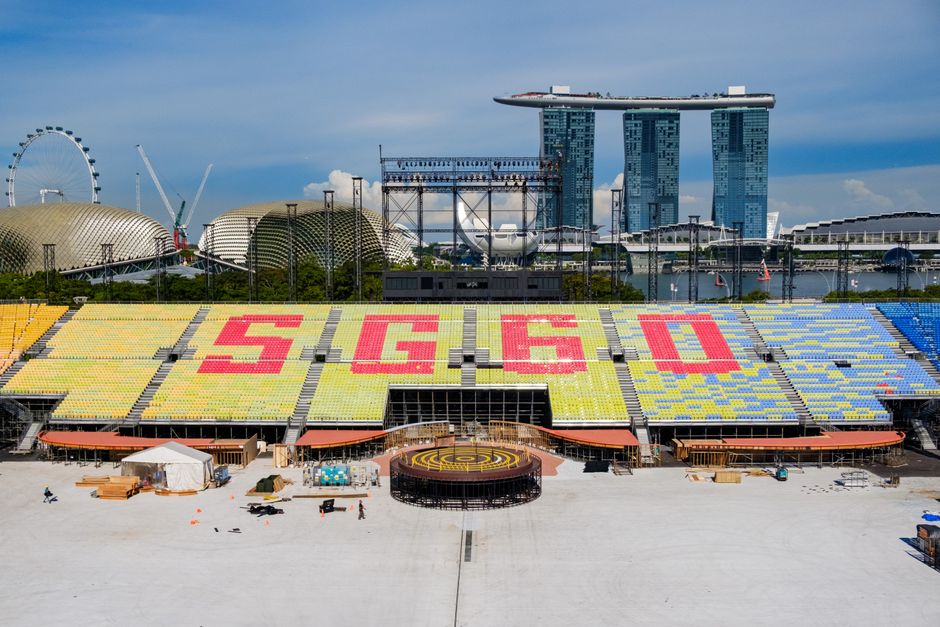
The National Stadium in Marina Bay remains the crown jewel, with its 55,000-capacity hosting international fixtures and continental tournaments. But the real development is happening across the island's network of dedicated football facilities. The Jalan Besar Stadium in Kallang, operational since 1922, continues hosting training sessions and smaller matches, whilst newer purpose-built complexes have transformed how young players develop their craft.
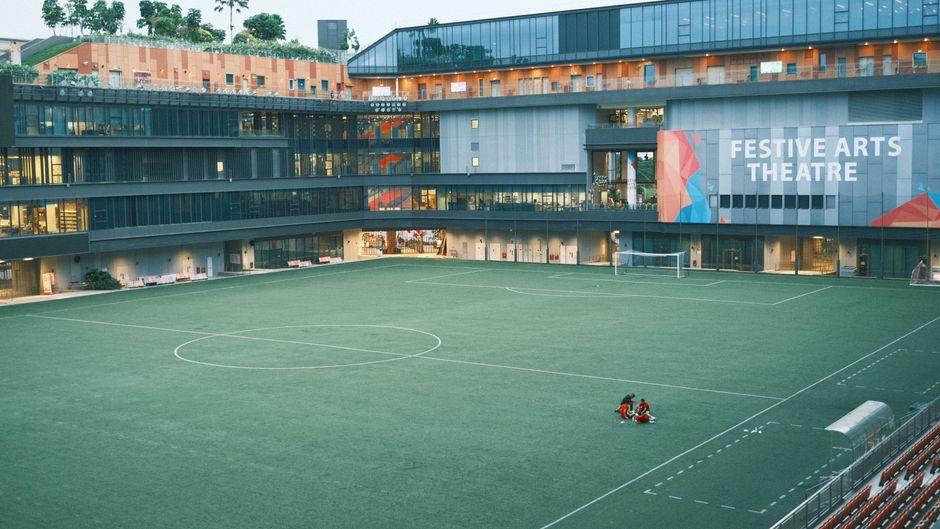
The Singapore Football Association's training centres in Geylang and Bedok represent a significant investment in player development infrastructure. These facilities boast FIFA-standard pitches, strength and conditioning rooms, and sports science support—resources that were largely absent a decade ago. The Bishan Stadium precinct, nestled near the Kallang district, similarly offers multiple training grounds where both elite athletes and community teams sharpen their skills.
Beyond elite venues, the grassroots infrastructure tells an equally important story. Over 150 football pitches operate across neighbourhood void decks and dedicated community spaces, many managed by the Sport Singapore network. The Football Association's affiliated clubs utilise facilities in Clementi, Bukit Timah, and the eastern corridors, creating a pipeline from youth leagues through to professional academies.
Investment in this infrastructure remains substantial. Recent upgrades to training facilities have included LED floodlighting systems, allowing evening and night training sessions that maximise facility usage across densely populated neighbourhoods. The integration of sports science capabilities—video analysis systems, GPS tracking, and biomechanics laboratories—reflects how seriously Singapore takes its football development model.
Yet challenges persist. Land constraints mean competition for pitch access intensifies seasonally, particularly during the football calendar's busiest months. Some community facilities still lack international standard specifications, creating disparities in training quality across different regions of the island.
As Singapore's national team competes at higher levels, the infrastructure supporting football becomes ever more significant. The stadiums hosting matches, the training grounds developing tomorrow's talent, and the community pitches nurturing young enthusiasm collectively form the foundation upon which the nation's football hopes are built. For a city-state where space is precious, this network represents more than facilities—it's a strategic commitment to making football truly national.
This article was compiled by AI from the sources linked above and screened before publishing. See our editorial standards.