Walk past the void decks of Toa Payoh and Clementi on any weekday evening, and you'll witness something quietly transformative. Groups of residents—construction workers, retirees, office staff—gather under fluorescent lights to stretch, lift, and train together. No Instagram influencers. No premium equipment. Just community members committed to collective health.
This grassroots momentum reflects a broader shift in Singapore's fitness landscape. While premium gyms and boutique studios continue to proliferate in the Central Business District and Orchard, the real growth story is happening in the heartland, where neighbourhood sports clubs and volunteer-led fitness initiatives have become the backbone of the nation's wellness culture.
The numbers tell a compelling story. Since 2021, membership in grassroots sports clubs affiliated with the Sport Singapore network has grown by over 35 per cent, with participation now exceeding 250,000 residents across all five districts. These community-based operations charge significantly less—many neighbourhood gyms in areas like Bukit Merah and Jurong West offer monthly memberships for SGD 30 to 50, compared to SGD 150 to 300 at commercial chains downtown.
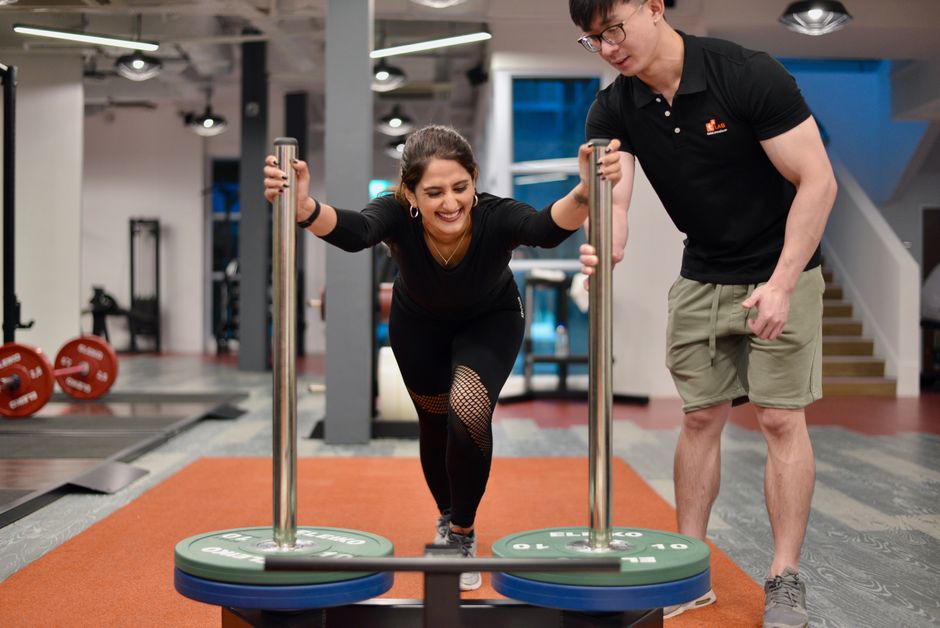
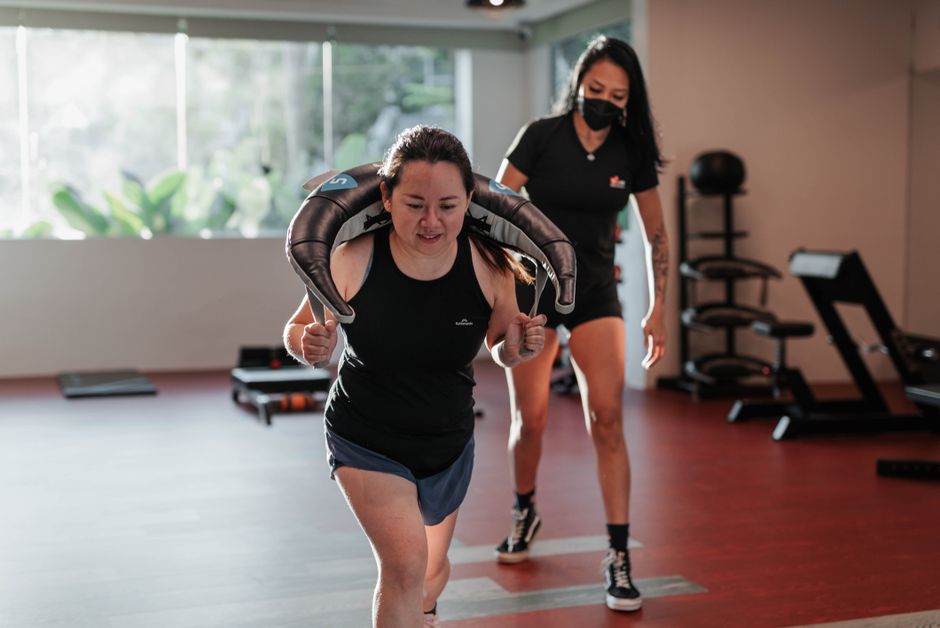
What drives this surge isn't merely affordability. Community sports groups offer something that algorithm-driven fitness apps cannot: accountability, social connection, and accessibility. At Ang Mo Kio Community Club, volunteer fitness coaches—many of whom are retired physiotherapists or dedicated fitness enthusiasts—lead free-to-low-cost classes in badminton, swimming, and resistance training. Participants range from teenagers recovering from sedentary school years to senior citizens managing chronic conditions.
"The beauty of grassroots fitness," explains a volunteer coordinator at Yishun Sports Club, "is that it removes barriers. People don't feel intimidated showing up in their old shirts. Everyone's here for the same reason—to get healthier together."
This decentralised approach has also democratised expertise. Neighbourhood community centres now host regular workshops on nutrition, injury prevention, and mental wellness, taught by practitioners who understand the local context—the pressures of long work hours, family obligations, and the unique stresses of living in a compact city.
As Singapore faces rising lifestyle diseases and mental health challenges, the grassroots fitness movement offers a proven antidote: sustainable, inclusive, and deeply rooted in community bonds. The revolution isn't happening in gleaming studios along Tanglin Road. It's happening in the void decks, community clubs, and neighbourhood parks where ordinary Singaporeans are taking ownership of their collective health.
That's where the real strength lies.
This article was compiled by AI from the sources linked above and screened before publishing. See our editorial standards.