Sport
Splash of Reality: What Rising Water Sports Numbers Reveal About Singapore's Fitness Evolution
Participation data shows aquatic activities are no longer niche pursuits—they're reshaping how Singaporeans stay fit.
3 min read
Updated 1 h ago
Sport
Participation data shows aquatic activities are no longer niche pursuits—they're reshaping how Singaporeans stay fit.
3 min read
Updated 1 h ago
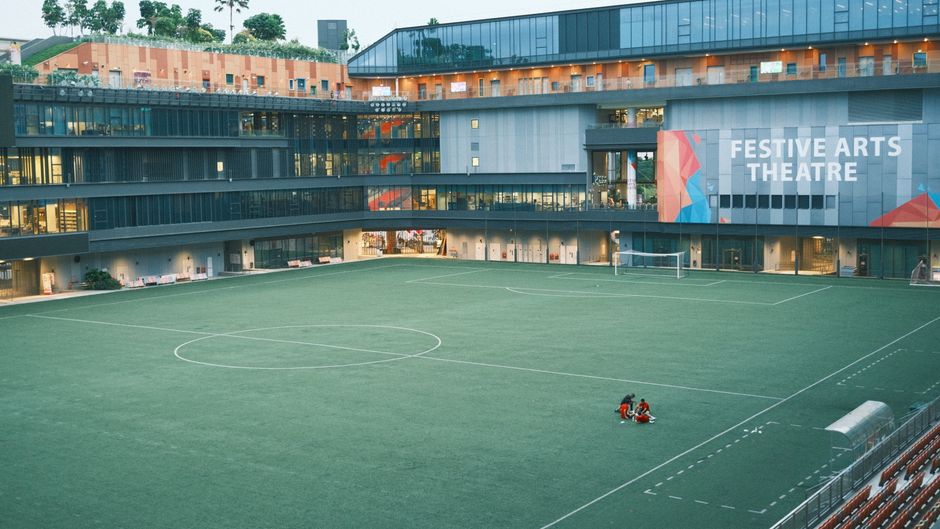
Swimming pools across Singapore are busier than ever. The numbers tell a compelling story about how the island's fitness culture is shifting, with water sports and aquatic activities moving from occasional summer pastimes to serious year-round commitments.
Recent participation surveys reveal that approximately 34% of Singaporeans aged 15 to 64 engage in some form of water-based physical activity at least once monthly—a jump of eight percentage points over three years. At venues like the OCBC Aquatic Centre in Marine Parade and the Kallang Wave Mall, demand for lane space during peak hours now routinely exceeds capacity, with waiting lists for swimming lessons extending into school holiday months.
The data breakdown is particularly telling. Traditional recreational swimming remains the largest segment, but it's the peripheral activities driving real growth. Aqua aerobics classes at community pools in Clementi and Yung Ho have seen 42% membership increases. Stand-up paddle boarding along East Coast Park and Bedok Reservoir has transformed from a weekend curiosity into a scheduled fitness routine for hundreds. Triathlon training groups, once concentrated among elite athletes, now attract middle-aged professionals balancing corporate jobs with personal wellness goals.
Costs matter here. A monthly unlimited pass at most ActiveSG pools costs just $10 for Singaporean residents—a figure that hasn't budged since 2015, making water fitness genuinely accessible. Private facilities like those in the Orchard area command premium rates between $200 to $400 monthly, yet these remain well-subscribed, suggesting price isn't the limiting factor for committed participants.
What's driving this shift? Experts point to several intersecting factors. Singapore's humid climate makes water-based exercise far more comfortable than land-based alternatives during afternoon sessions. The proliferation of Instagram-worthy fitness aesthetics—sleek swimwear brands, aesthetic poolside culture—has destigmatised swimming beyond childhood years. Importantly, water sports offer lower-impact training that appeals to an ageing population and office workers battling repetitive strain injuries.
The data also reflects pragmatism. With land-based gym memberships stagnating and jogging routes increasingly congested, water offers space and novelty. Facilities in Bukit Merah and Tiong Bahru report that mixed-age group training has become the norm rather than exception.
For policymakers monitoring public health trends, the message is clear: aquatic infrastructure investments yield measurable returns in participation rates and sustained engagement. As Singapore continues prioritising preventative wellness, the water's becoming less escape and more essential to how residents define their fitness routines.
This article was compiled by AI from the sources linked above and screened before publishing. See our editorial standards.

Sport

Sport

Sport

Sport
About this article
Published by The Daily Singapore
Spread the word
Daily brief
Free, in your inbox before 7am. Weekdays.
The Daily Network — local news across Australia