Singapore's Rising Functional Fitness Collective Disrupts Traditional Training Culture
The Telok Ayer-based CrossFit outfit is drawing corporate teams and retirees alike, signalling a generational shift in how the Lion City approaches group training.
This article was generated by AI from the linked public sources. The Daily Singapore is independently owned and covers Singapore news free from advertiser or sponsor influence. Read our editorial standards →
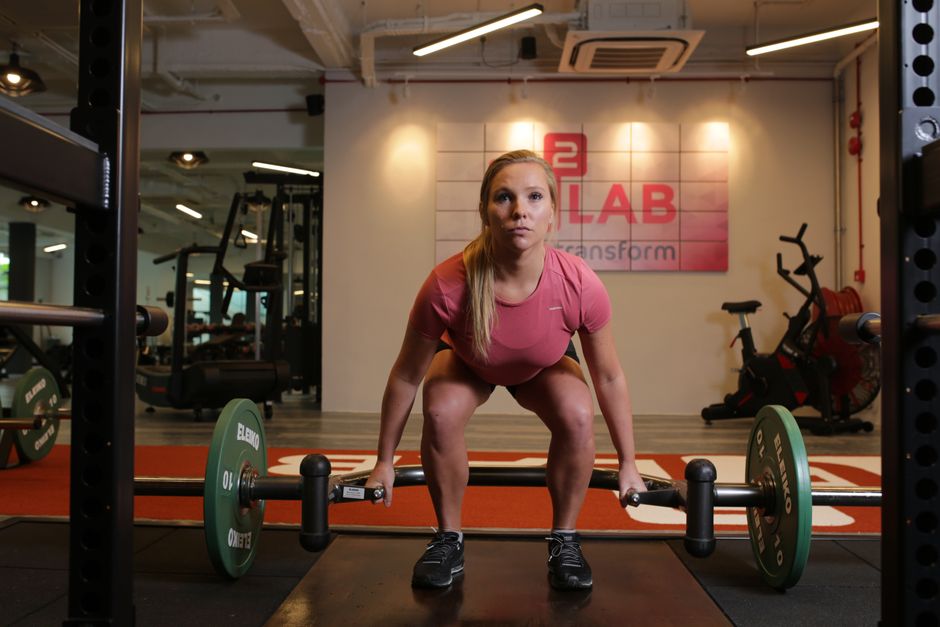
The warehouse-turned-gym on Neil Road hums with the clang of barbells and the rhythmic thud of rope slaps against concrete. Atlas Collective, a functional fitness hub that opened in Telok Ayer eighteen months ago, has quietly become one of Singapore's most talked-about training facilities—not for its industrial-chic aesthetics or cutting-edge equipment, but for the demographic it's attracting into a sport long considered niche.
Founded by a group of former finance professionals, Atlas Collective operates more like a sports club than a conventional gym. Monthly membership runs between $280 and $450, depending on class frequency, positioning it squarely in the premium segment. Yet the collective boasts over 1,200 active members, many forming semi-competitive teams that participate in regional functional fitness competitions.
What sets Atlas apart is its intentional focus on group dynamics. Rather than the solitary treadmill culture that has dominated Singapore's fitness landscape, members train in structured teams of eight to twelve, rotating through stations during what the facility calls "faction workouts." The approach has proven magnetic: a recent inter-workplace challenge saw teams from companies like DBS, Grab, and Temasek Holdings competing in a sold-out evening event in May.
"We're seeing professionals aged 35 to 55 bring the same competitive energy to fitness that they apply at work," notes the gym's operations director—one of the original co-founders. The demographic shift is notable. Singapore's traditional gym sector, dominated by chains like Gold's Gym and Fitness First, has long catered primarily to younger demographics. Atlas's success suggests an untapped appetite for accountability and community among older, wealthier Singaporeans.
The cultural impact extends beyond membership numbers. Local wellness startups have begun mimicking the team-based model, while established gyms in Orchard and the CBD are quietly redesigning their group class schedules. Industry observers point to this as evidence of Singapore's fitness culture maturing beyond Instagram aesthetics into a more team-oriented, results-driven paradigm.
The broader fitness market in Singapore, valued at approximately $1.2 billion annually, remains fragmented. Yet Atlas's trajectory—from unknown warehouse to sellout events in less than two years—suggests that traditional models may be facing disruption. Whether this represents a temporary trend or a genuine cultural reset remains to be seen. What's clear is that Singapore's gym culture is no longer just about individual gains.
This article was compiled by AI from the sources linked above and screened before publishing. See our editorial standards.
Covering sport in Singapore. This article was generated by AI from the linked sources and was not reviewed by a human editor before publishing. See our editorial standards.