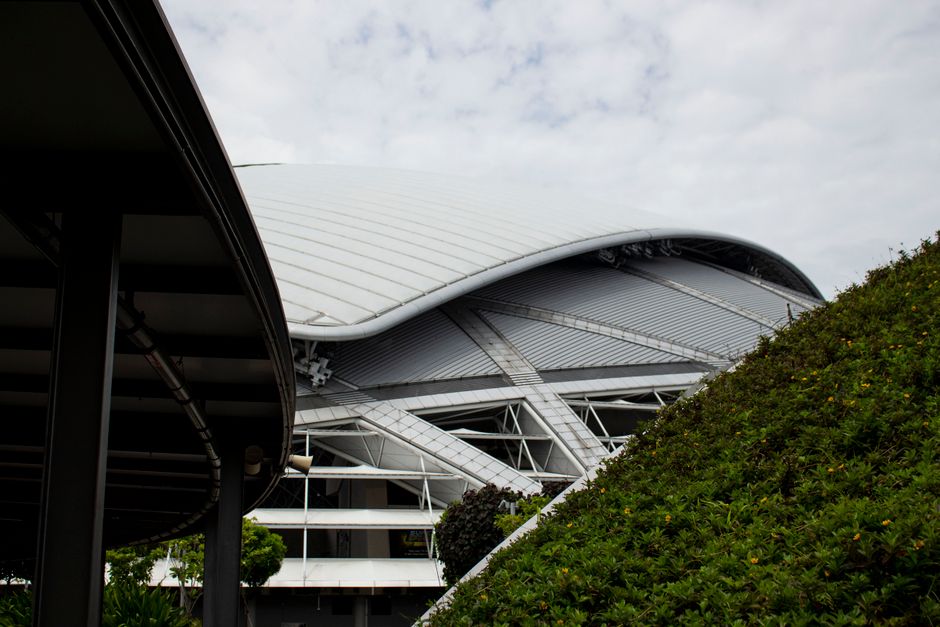
Walk into the Singapore National Stadium in Kallang on match day and you'll sense the pulse of a city that has invested heavily in its football dreams. Yet beyond the roar of the crowd at this 55,000-capacity venue lies a far more intricate ecosystem of pitches, academies and training complexes that form the backbone of local football development.
The Singapore Football Association's headquarters at Jalan Besar remains the nerve centre of the sport, overseeing a network that extends across the island. But it's the newer facilities that reveal the nation's ambitions. The Jurong East Sports Centre and the Bukit Batok Sports Centre have emerged as crucial hubs for grassroots development, hosting league matches and training sessions for youth academies that feed talent into the professional pipeline.
Singapore's investment in football infrastructure reflects a broader sporting strategy. The Football Association manages 12 football pitches across public sports centres, with monthly rental fees starting around SGD 300 for community groups—a deliberate effort to keep the sport accessible. Yet professional facilities command premium rates, with premium time slots at elite training grounds reaching SGD 800 per hour, creating a tiered system that supports both grassroots enthusiasm and elite performance.
The Tanjong Rhu area, historically significant in Singapore's footballing landscape, continues to host training facilities alongside the broader East Coast sports precinct. Meanwhile, partnerships with schools across Bishan, Tampines and Clementi have established a feeder system that identifies and nurtures young talent from age 10 onwards.
What distinguishes Singapore's approach is integration. The Singapore Sports Institute works alongside football clubs to provide sports science support—nutrition, strength and conditioning, mental performance coaching—at facilities that meet international standards. This infrastructure advantage has proven crucial as the Lions compete in the AFF Championship and AFC competitions against well-resourced regional rivals.
Yet challenges remain. Pitch availability during peak hours is fiercely contested, with amateur leagues often relegated to evening slots and weekend mornings. Climate considerations—the intensity of tropical heat and sudden monsoon rains—have driven investment in covered facilities and drainage systems that are now standard across new developments.
As Singapore seeks to establish itself as a regional football powerhouse, the conversation has shifted from simply having stadiums to building comprehensive ecosystems. From the training academies in the heartlands to the Kallang showcase, the infrastructure now exists to support ambitions at every level. Whether it translates to silverware remains uncertain, but the foundations, at least, are finally in place.
This article was compiled by AI and screened before publishing. See our editorial standards.