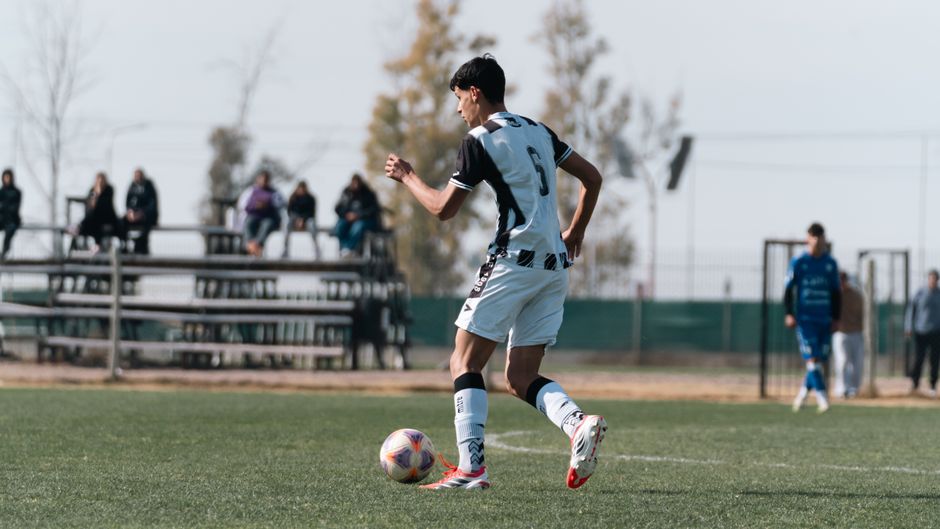
Singapore's youth sport clubs are turning away children. Not because of lack of interest — enrolments across football academies, swimming programmes and basketball clubs have climbed sharply since 2024 — but because there simply are not enough usable facilities to absorb the demand. The squeeze is worst in the heartlands, where a single neighbourhood sports hall can serve three or four different codes on the same Saturday morning.
This matters now because Sport Singapore is midway through its ActiveSG masterplan, a framework that runs to 2030 and commits to expanding community sport infrastructure across the island. Progress has been uneven. Several estates that were earmarked for new facilities in 2023 are still waiting for groundbreaking dates. Meanwhile, club coordinators say the gap between policy ambition and what is actually available on the ground has rarely felt wider.
Where the Pressure Is Sharpest
Jurong West is a useful case study. The Jurong West Sports Centre on Jurong West Street 93 handles close to 2,000 bookings a month across its swimming complex, indoor hall and outdoor pitches. During school holidays, those pitches are oversubscribed by Tuesday of the first week. Football academies operating under the ActiveSG Football Academy umbrella — which had more than 13,000 registered youth players islandwide as of early 2026 — frequently lose training slots to corporate bookings, which command higher commercial rates through the ActiveSG booking portal.
Farther north, Yishun's grassroots basketball scene has grown significantly since the Yishun ActiveSG Basketball Academy launched its junior programme in January 2025. But coaches there work around a recurring problem: the outdoor courts at Chong Pang City remain unshaded, making afternoon sessions in July essentially untenable without heat protocols. Indoor court time at the nearby Yishun Sports Hall is allocated in 90-minute blocks that clubs say are too short for meaningful training with under-12 age groups.
The Hockey Association of Singapore has flagged a related concern at the National Hockey Centre in Buona Vista. The main synthetic turf pitch, first laid in 2017, is due for resurfacing but the replacement timeline has shifted twice. A new FIFA-certified artificial pitch costs between S$1.2 million and S$1.8 million depending on specification, and the association has been lobbying Sport Singapore and the Ministry of Culture, Community and Youth for co-funding since late 2025.
What the Data Shows
Sport Singapore's own figures show that community sports facilities registered 38.2 million visits in 2025, up from 33.7 million in 2023. That is a 13.4 percent rise in two years, against a facility construction pipeline that has added only four new community sports halls since 2022. The Tengah Active and Beautiful Waters hub, announced in 2023 as part of the new Tengah estate development, is the most anticipated addition — it is scheduled to open in phases from the third quarter of 2027. Until then, the western corridor of the island has no net gain in covered sports space.
Facility hire costs also matter for grassroots clubs operating on thin budgets. A 90-minute indoor hall slot at a typical ActiveSG venue runs between S$80 and S$140 depending on the time band and whether the booking is made by a registered sports association or a private academy. Smaller clubs that are not affiliated with a national sports association pay the higher commercial rate, which can amount to S$600 or more per week in operating costs before a single coach's fee is paid.
The practical picture for parents registering children in youth programmes this August — when the new school-year cycle begins — is to prioritise academies with confirmed block bookings rather than month-to-month arrangements. Clubs affiliated directly with national associations such as the Football Association of Singapore or the Singapore Aquatics programmes tend to have more stable facility access. It is also worth checking whether a club trains at a school facility through the Schools Sports Council partnership scheme, which unlocks additional court and field time outside curriculum hours. Those slots are less visible on public booking platforms but represent some of the most reliable training time available to youth athletes in the city right now.