Technology
AI Gold Rush: How Singapore's Tech Startups Are Attracting Record Venture Funding
With investment in artificial intelligence ventures tripling over two years, Singapore is cementing itself as Southeast Asia's premier hub for AI-driven business innovation.
How we reported this
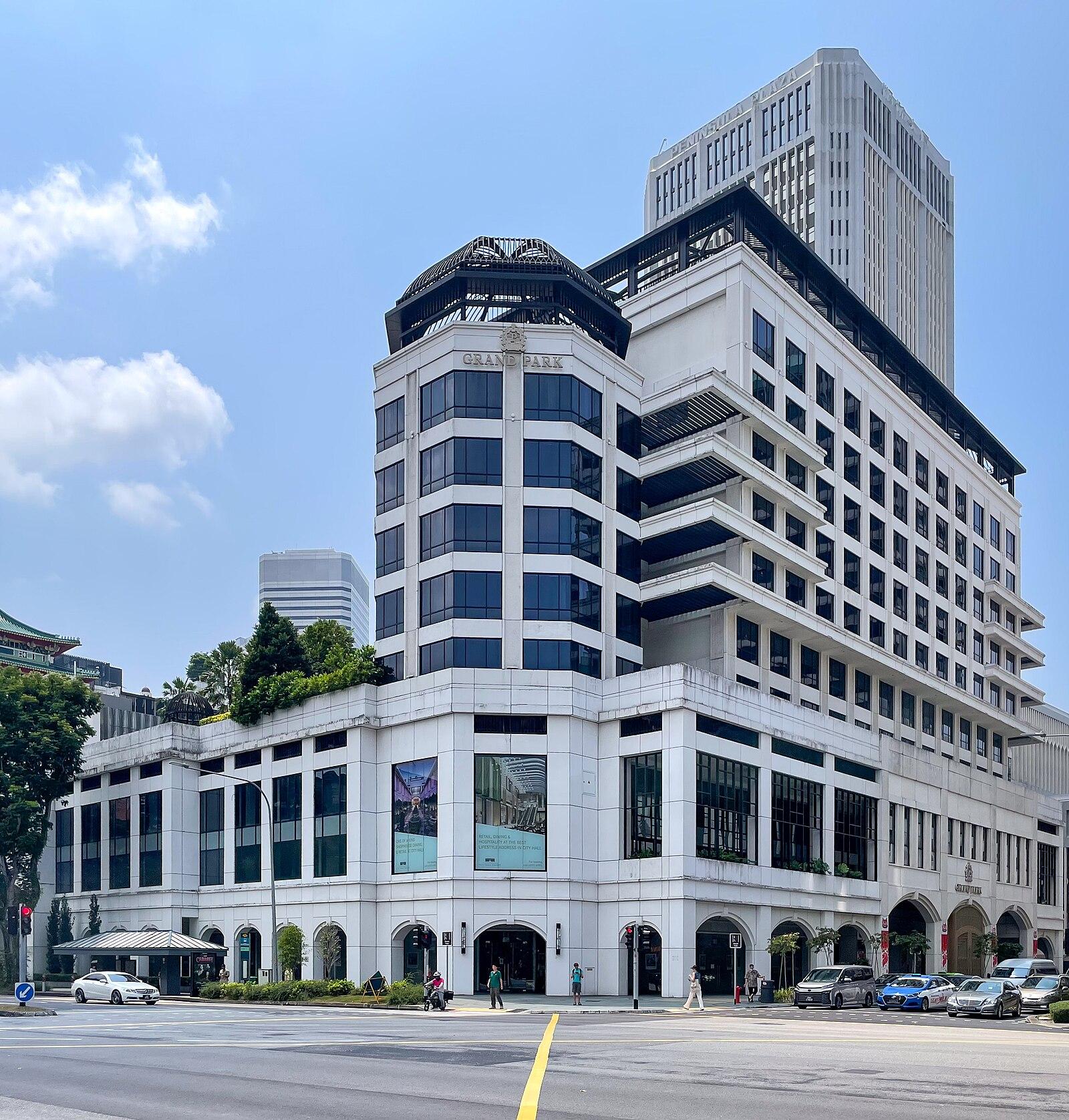
Singapore's artificial intelligence sector has entered a remarkable growth phase. Venture capital flowing into local AI startups reached approximately $380 million in 2025, nearly triple the $130 million recorded in 2023, according to industry tracking data. This acceleration reflects a broader shift in how Singapore-based entrepreneurs and international investors view the island's potential as a regional innovation powerhouse.
The momentum is visible across the city's key tech corridors. In the one-north neighbourhood near Bukit Timah, where the National University of Singapore and numerous research facilities cluster, several AI-focused ventures have secured Series A and B funding rounds totalling tens of millions of dollars. Similarly, the burgeoning ecosystem around Block 71 in Ayer Rajah-Singapore's answer to Silicon Valley-has become a congregation point for founders developing machine learning solutions for financial services, logistics, and healthcare.
What's driving this surge? Three factors converge. First, Singapore's regulatory framework has proven attractive to global institutional investors seeking a compliant, stable base for AI development. The Personal Data Protection Act and emerging AI governance guidelines offer clarity that many jurisdictions lack. Second, the city-state's position as Southeast Asia's financial hub means access to both capital and multinational enterprises eager to pilot AI solutions. Companies like DBS, Changi Airport, and port operators are becoming early adopters.
Third, government backing remains substantial. Enterprise Singapore and the Economic Development Board continue directing funding toward AI research, with the National AI Strategy allocating resources to talent development and infrastructure. Several initiatives offer grants and matching funds to startups meeting specific criteria.
However, challenges persist. Office rental in premium tech zones like the Central Business District averages $8 to $12 per square foot monthly, making bootstrap-phase founders squeeze into co-working spaces. Talent acquisition remains competitive-qualified AI engineers command salaries 20-30% higher than regional peers. Regulatory scrutiny around data privacy, though generally constructive, requires navigating local compliance frameworks that can slow product development.
Yet the numbers tell a compelling story. The number of AI-related companies registered in Singapore has grown from approximately 400 in 2021 to over 1,200 today. Major global players including Google, Meta, and Microsoft have expanded their regional AI research operations here, adding credibility and cross-pollinating ideas with the startup ecosystem.
As geopolitical tensions reshape global tech supply chains, Singapore's neutral positioning, skilled workforce, and commitment to innovation infrastructure position it well. For investors tracking the next wave of AI-driven business transformation in Asia, Singapore's momentum suggests the story is only beginning.