Singapore's startup scene turns up the heat on privacy as digital threats mount
From Block71 to one-north, local founders are racing to build the next generation of cybersecurity tools—and investors are watching closely.
3 min read
Updated 4 h ago
From Block71 to one-north, local founders are racing to build the next generation of cybersecurity tools—and investors are watching closely.
3 min read
Updated 4 h ago
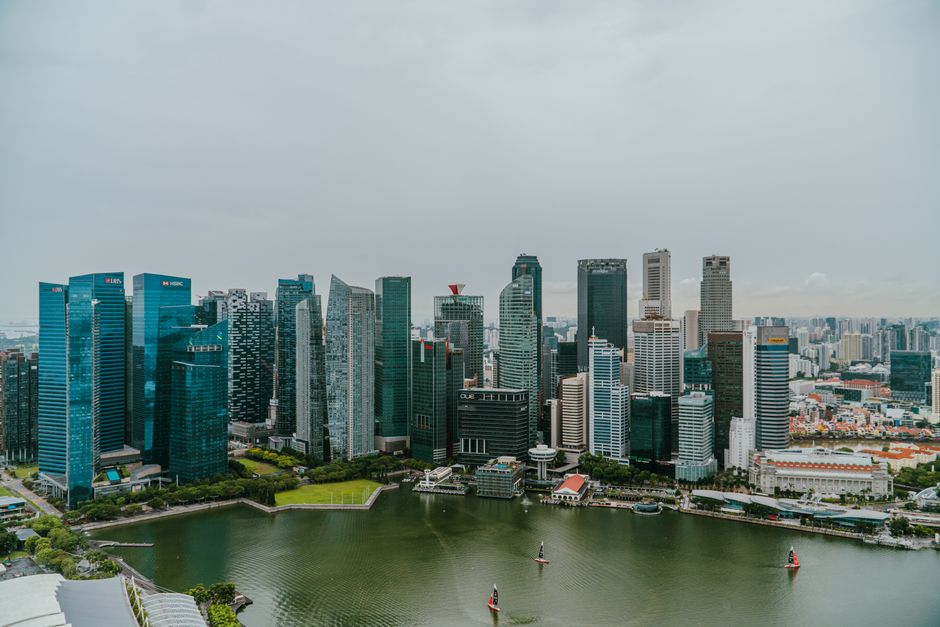
Walk through the corridors of Block71 in Ayer Rajah these days, and you'll notice a shift in conversation among Singapore's tech founders. Privacy and digital safety, once relegated to the sidelines of startup culture, have become central to pitches, product roadmaps, and funding decisions.
The momentum is real. Over the past 18 months, cybersecurity and privacy-focused startups in Singapore have raised approximately $85 million in venture capital, according to data from local investment trackers. That's nearly triple the volume from the same period two years ago. Government backing has played a role—the National Cyber Security Centre launched an $8 million innovation fund in early 2025 to accelerate homegrown security solutions.
"We're seeing founders who previously built fintech or logistics platforms pivot entirely toward solving privacy problems," says the ecosystem of accelerators and venture studios clustered around one-north and Fusionopolis. The shift reflects both opportunity and necessity. Singapore's position as a financial and data hub makes it a natural target for sophisticated cyberattacks, while its role as a regional tech leader means local solutions can scale across Southeast Asia.
Several notable ventures are gaining traction. Teams working on encrypted communication platforms, zero-trust infrastructure, and AI-powered threat detection are in active fundraising rounds. Meanwhile, established players like the Singapore Economic Development Board have begun highlighting cybersecurity as a priority sector, potentially unlocking additional support for startups meeting specific criteria.
The local regulatory environment is another catalyst. Singapore's Personal Data Protection Act amendments, enforced gradually since 2024, have created compliance challenges—and opportunities—for startups that can help businesses navigate the landscape. Demand from multinationals with Singapore operations is substantial.
Yet challenges remain. Local venture capital still skews heavily toward consumer-facing tech and e-commerce. Cybersecurity deals, while growing, require longer sales cycles and deeper technical expertise from investors. Several founders have noted difficulty securing Series A funding despite strong market validation.
There's also the talent question. Building world-class security teams in Singapore means competing globally for engineers, with Bay Area and European hubs offering comparable or higher compensation packages. Some startups are addressing this by building distributed teams across the region, a trend accelerated by the pandemic that shows no signs of reversing.
What's clear is that Singapore's startup scene has woken up to the market opportunity in privacy and cybersecurity. Whether the momentum sustains depends on whether local investors can match founder ambition with capital—and whether the next generation of security tools emerges from a desk in Block71.
This article was compiled by AI from the sources linked above and screened before publishing. See our editorial standards.
About this article
Published by The Daily Singapore
Spread the word
Daily brief
Free, in your inbox before 7am. Weekdays.
The Daily Network — local news across Australia