Meet Heliogen: The Solar Storage Startup Singapore Should Be Watching This Month
A cleantech firm's breakthrough in thermal energy storage could reshape how the island nation balances its renewable energy ambitions with grid reliability.
3 min read
A cleantech firm's breakthrough in thermal energy storage could reshape how the island nation balances its renewable energy ambitions with grid reliability.
3 min read
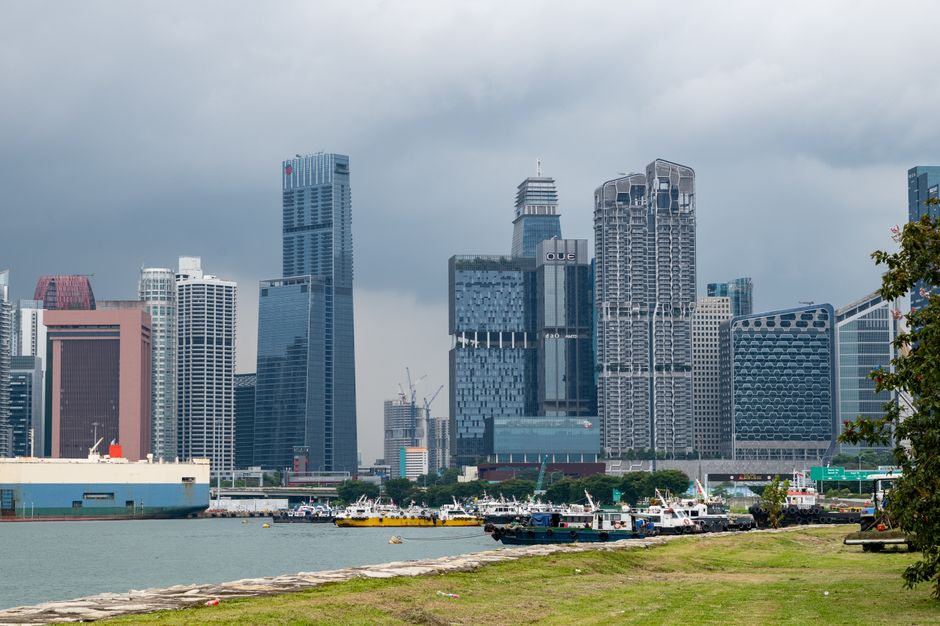
In the race to decarbonise, Singapore faces a peculiar constraint: limited land for sprawling solar farms, and weather patterns that make solar generation unpredictable. Enter Heliogen, a solar-thermal storage company that has quietly become one of the most promising innovations in the global cleantech space—and one that experts say could be game-changing for Southeast Asia's densest city-state.
Founded in 2018 by former researchers from MIT and CalTech, Heliogen has developed a novel approach to concentrated solar power (CSP) using artificial intelligence and advanced optics. Unlike traditional photovoltaic panels that convert sunlight directly to electricity, their system captures thermal energy and stores it in molten salt, allowing energy generation even when the sun sets. The company recently announced a successful pilot deployment in California, with plans to expand to Asia by late 2026.
For Singapore, the relevance is immediate. The nation's 2030 energy target requires 500MW of solar capacity—a significant jump from current installations—but the island's geography and monsoon seasons mean solar output fluctuates dramatically. Heliogen's thermal storage approach could address this intermittency challenge that traditional batteries struggle with during extended cloudy periods, potentially enabling longer discharge cycles than lithium-ion systems.
Local context matters here. The Economic Development Board (EDB) has already invested in cleantech hubs across Jurong Island and the Science Park near NUS. Thermal storage technology could complement existing initiatives like the Sembcorp-Lightsource BP joint venture at Kranji, which generates power from floating solar panels. A Heliogen-type system could theoretically be integrated into industrial clusters across Tuas, where both heat demand and solar potential are substantial.
The economics are compelling too. Singapore's electricity tariffs have risen 20 per cent over the past three years. Long-duration energy storage—the focus of Heliogen's research—could eventually reduce peak-load costs by up to 15 per cent, according to industry analyses. That translates to meaningful savings for commercial users across the island.
What makes Heliogen worth monitoring isn't just the technology; it's the timing. Singapore's energy security increasingly depends on diversifying beyond natural gas imports. As the firm moves into Asia and begins regional partnerships, industry watchers expect announcements about pilot sites within the coming quarters. Heliogen's thermal storage approach represents precisely the kind of long-duration, grid-scale solution that could help Singapore punch above its weight in renewable energy transition—a crucial advantage as global climate commitments tighten.
This article was compiled by AI from the sources linked above and screened before publishing. See our editorial standards.
About this article
Published by The Daily Singapore
Spread the word
Daily brief
Free, in your inbox before 7am. Weekdays.
The Daily Network — local news across Australia