Technology
Singapore's startup funding sees cautious rebound as VCs recalibrate for 2026
After a subdued 2025, local venture capital is flowing again-but founders must prove unit economics and profitability in ways the previous boom never demanded.
How we reported this
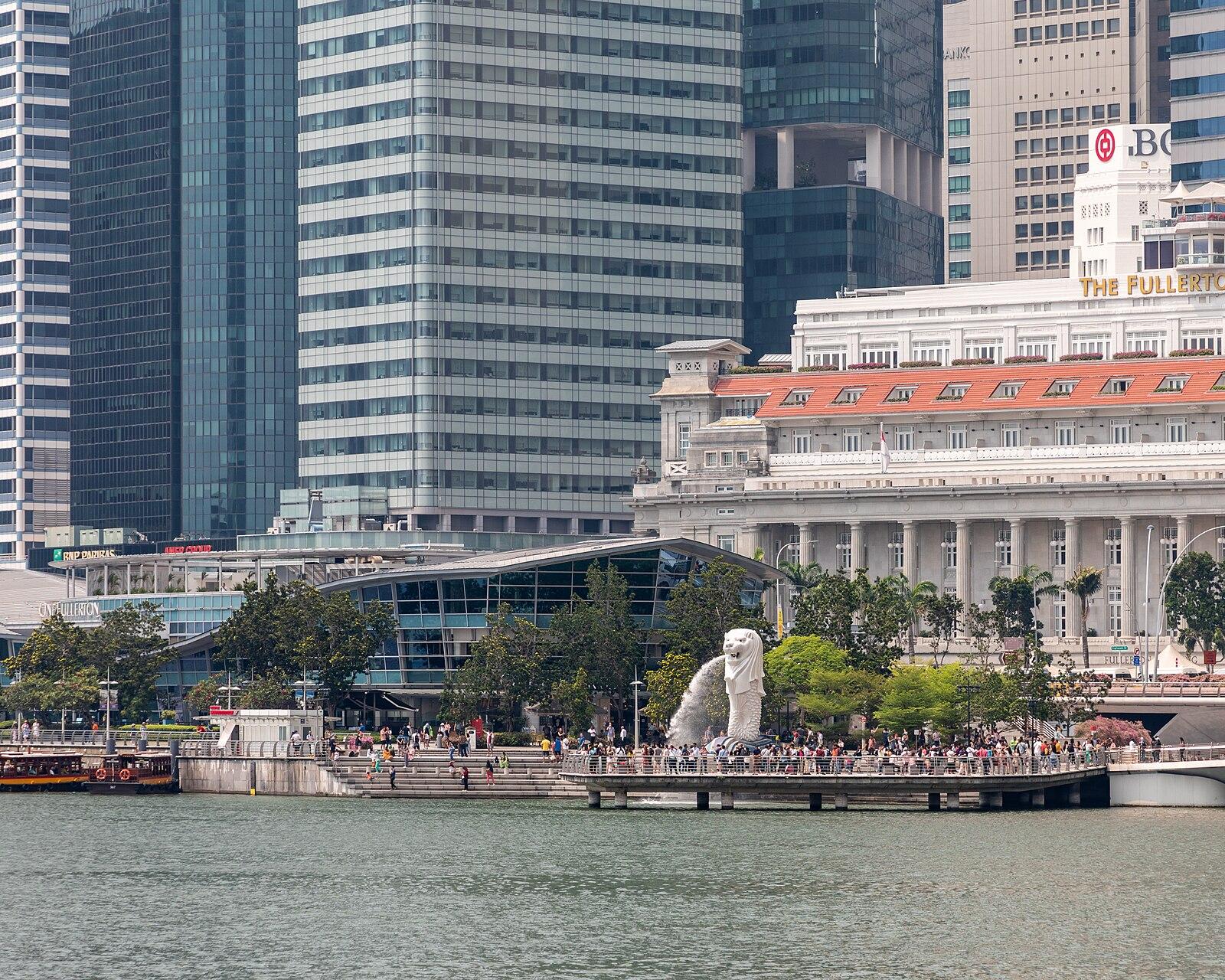
Singapore's venture capital scene is experiencing a marked shift in temperament as we enter the second half of 2026. After a grinding 2025 when funding rounds dried up and multiple startups shuttered operations, money is moving again-though with considerably more scrutiny attached.
The figures tell the story: early-stage funding in Singapore's tech ecosystem has recovered to levels last seen in 2023, according to recent data from regional VC trackers. But the composition has changed. Where 2021 and 2022 saw explosive Series A rounds for business-to-consumer plays, today's capital is flowing disproportionately toward enterprise software, fintech infrastructure, and climate-tech-sectors where unit economics and clear paths to profitability are demonstrable from day one.
This recalibration is visible across Singapore's key innovation hubs. In the Blocks near Outram-the converted industrial buildings that have become synonymous with the startup scene-office density has stabilised after two years of churn. Meanwhile, accelerators and co-working spaces like those clustered around Singapore's financial district in Raffles Place are reporting stronger demand from founders with validated business models rather than moonshot ideas.
"The market has matured," says the sentiment echoed across Angel networks operating from the CBD to Jurong East, where newer cluster initiatives are establishing themselves. Founders report that pitch decks now require 18-24 months of runway visibility, audited financial statements by Series B, and proof of repeatability in customer acquisition. The spray-and-pray mentality of early pandemic-era investing has evaporated.
Several factors are driving this rebalancing. Rising interest rates have made venture returns look less impressive relative to public market yields. A slew of high-profile startup failures-both locally and regionally-have sharpened LP scrutiny. And perhaps most importantly, the hype around artificial intelligence has created a bifurcation: well-capitalised AI infrastructure startups are raising at valuations that would have seemed absurd in 2025, while traditional software companies find themselves in a holding pattern.
For the broader Singapore ecosystem, the implications are mixed. The sharp reduction in seed-stage funding means fewer experimental ventures get launched. But the founders who do secure backing tend to be more experienced, with prior exits or proven execution records. Singapore's role as the Asia-Pacific hub for venture capital-hosting regional offices for prominent VCs from Silicon Valley to Shanghai-means local startups benefit from global capital flows that domestic-only ecosystems cannot access.
As the year progresses, watch for consolidation among earlier-stage VCs and a flight toward established firms on Shenton Way and elsewhere with proven conviction and dry powder. The gold rush is over. The infrastructure, however, remains world-class.