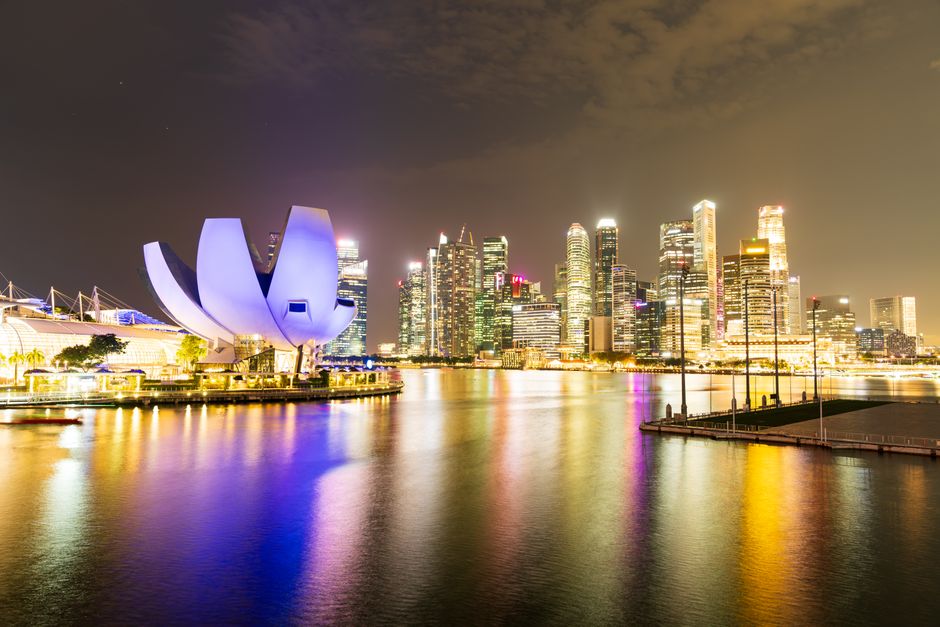
Walk through Marina Bay or Orchard Road, and Singapore's digital ambitions are impossible to miss. From cashless payments to smart building systems, the city-state has positioned itself as a global technology hub. Yet behind the gleaming facade of innovation lies a thornier reality: the infrastructure that powers our connected lives is also creating unprecedented vulnerabilities and ethical dilemmas that regulators are struggling to address.
The numbers tell a compelling story. According to the Cyber Security Agency of Singapore's 2025 annual report, the nation recorded over 1,200 cybersecurity incidents that year—a 15% increase from 2024. More concerning, ransomware attacks targeting critical infrastructure in Singapore's financial district increased by 40% year-on-year. Last month, a breach affecting multiple fintech companies operating from blocks in the CBD exposed personal data of approximately 50,000 users.
But the challenge extends far beyond traditional hacking. As Singapore pursues its Smart Nation initiative, with sensors and cameras integrated throughout residential areas and commercial zones, a troubling question emerges: who owns our data, and how is it being used?
Consider the ambitious real-time monitoring systems being deployed across Housing and Development Board estates and private condominiums. While framed as safety measures, privacy advocates point out that constant surveillance—even when technically legal—raises uncomfortable questions about consent and autonomy. A 2025 study by the National University of Singapore found that 68% of Singaporeans expressed concern about data collected through smart home systems, yet 72% had already adopted such technologies.
The financial cost of breaches compounds the problem. Mid-sized businesses in Singapore now spend an average of SGD 250,000 annually on cybersecurity measures, up from SGD 160,000 three years ago. Smaller enterprises in Geylang and Tiong Bahru's business districts often lack resources for adequate protection, creating pockets of vulnerability that could compromise entire supply chains.
Regulatory bodies like the Personal Data Protection Commission have tightened standards, yet enforcement remains inconsistent. Technology companies argue that robust security demands sophisticated monitoring—which inevitably means knowing more about users. Meanwhile, citizens increasingly feel caught between the promise of digital convenience and the reality of diminished privacy.
Singapore's tech leaders face a critical decision point. The nation can continue pursuing innovation at any cost, or it can deliberately build guardrails that protect citizens without sacrificing progress. The coming months will test whether policymakers view cybersecurity and privacy as obstacles to progress, or as essential foundations for trustworthy innovation.
This article was compiled by AI from the sources linked above and screened before publishing. See our editorial standards.