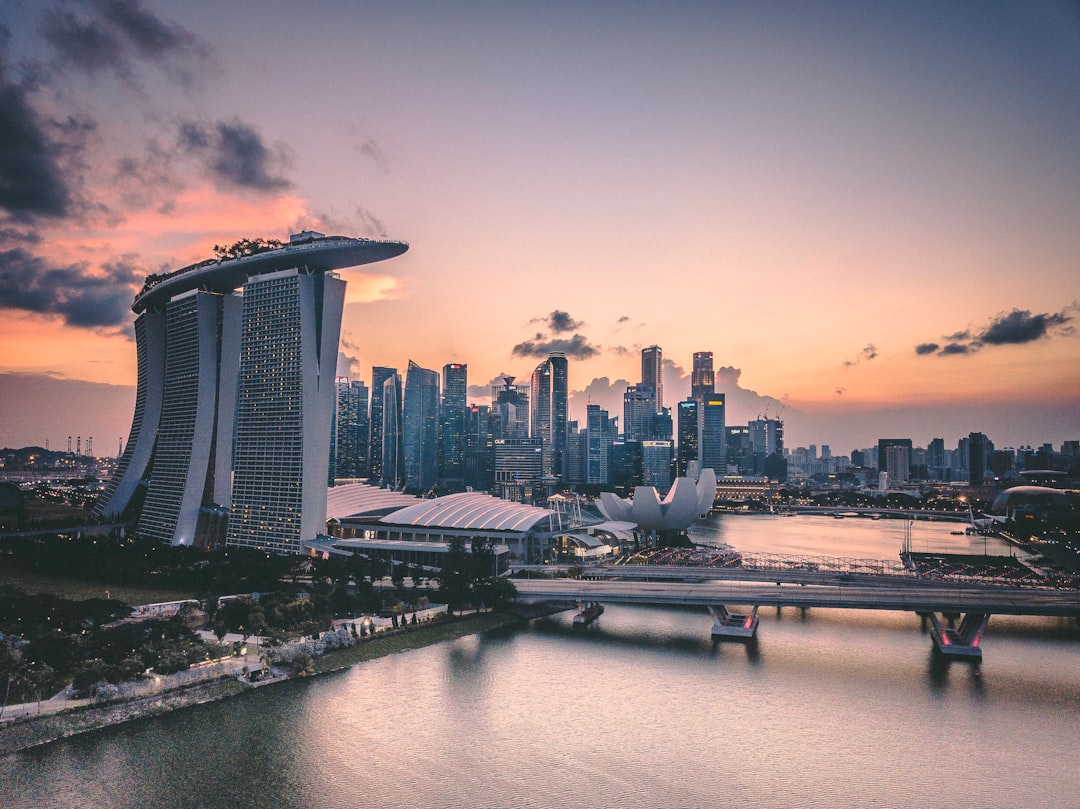
Walk through the gleaming towers of Tanjong Pagar or the renovated shophouses of Block 71 in Ayer Rajah, and you'll find a peculiar advantage most cities lack: a government willing to move fast on AI without moving recklessly.
Singapore's approach to artificial intelligence regulation has become a model other nations study. Unlike the European Union's prescriptive approach or the United States' fragmented framework, Singapore's AI governance principles—released by the Info-Communications Media Development Authority—emphasise outcome-based standards rather than rigid rules. This agility has made the city-state a testing ground for enterprises wanting to deploy AI responsibly while maintaining speed to market.
The numbers tell part of the story. According to a 2025 DBS report, over 40 per cent of Singapore's enterprise leaders have integrated AI into core operations, well above regional averages. Tech parks like one-north in Buona Vista now house more than 1,000 technology companies, many developing AI solutions for Southeast Asia's 700 million consumers. Startups here typically raise funding 30–40 per cent faster than regional peers, partly because investors recognise Singapore's proven regulatory environment.
But regulatory clarity alone doesn't explain Singapore's distinctiveness. The city's multilingual workforce—Mandarin, English, Tamil, and Malay are official languages—gives AI companies here a natural advantage building language models and conversational AI for diverse markets. When ByteDance or Alibaba expand their AI operations, they increasingly look east to Singapore rather than rely solely on China-based teams, and American firms see it as the natural gateway to Asian markets.
Geography matters too. Positioned between the Indian Ocean and Pacific shipping lanes, Singapore is both a physical and digital crossroads. The Asia Tech x Singapore initiative, hosted annually at Marina Bay, has become a major convening point for AI researchers and entrepreneurs from Japan, South Korea, India, and beyond. Last year's event drew 27,000 attendees.
Cost and efficiency also differentiate this ecosystem. While Singapore's engineering salaries run 15–20 per cent higher than in Bangalore or Manila, productivity metrics and lower attrition rates often justify the premium for quality-sensitive AI development. Companies building fraud detection systems, autonomous logistics, or fintech AI tend to prioritise reliability over pure cost arbitrage.
The challenge ahead is keeping pace. Vietnam and Indonesia are catching up with lower wages, while the talent pool remains constrained. Yet Singapore's ability to blend permissive innovation with institutional rigour, linguistic diversity with capital concentration, and regional connectivity with First World infrastructure remains difficult to replicate. For now, that makes it the region's most interesting AI experiment.
This article was compiled by AI and screened before publishing. See our editorial standards.