Singapore's Tech Boom: The Hidden Costs of Innovation Leadership
As the city-state races to cement its position as Asia's innovation hub, questions loom over labour practices, data privacy, and the widening wealth gap.
3 min read
Updated 3 h ago
As the city-state races to cement its position as Asia's innovation hub, questions loom over labour practices, data privacy, and the widening wealth gap.
3 min read
Updated 3 h ago
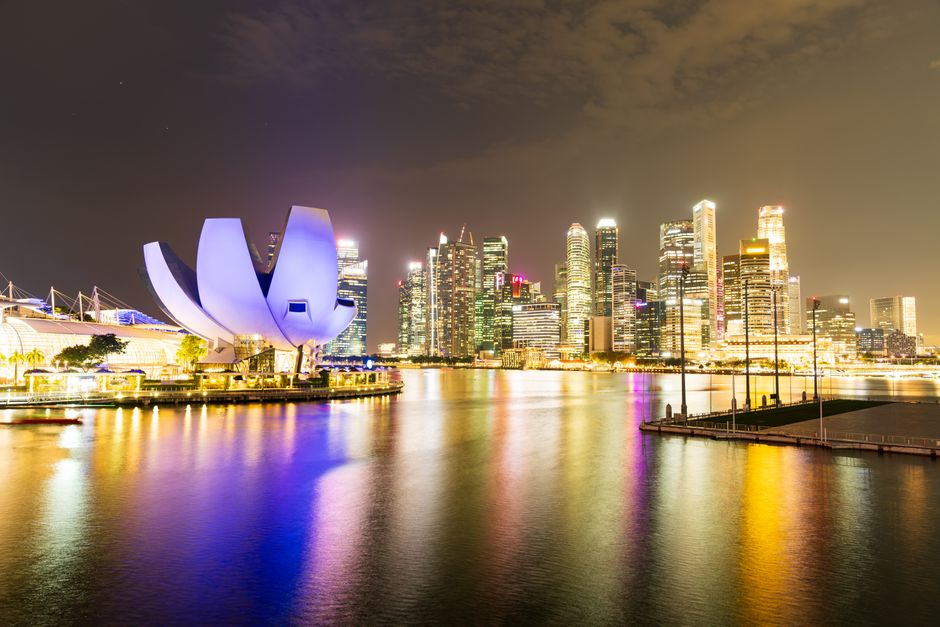
Singapore's transformation into a global technology powerhouse has been remarkable. From the gleaming corporate towers of the Marina Bay Financial Centre to the startup incubators dotting Block 71 in Ayer Rajah, the island's tech ecosystem has attracted billions in venture capital and drawn some of the world's most ambitious entrepreneurs. Yet beneath this glittering surface lies a more complicated reality that policymakers and investors are only beginning to grapple with.
The numbers tell a compelling story. Singapore now ranks among the top five global fintech hubs, with over 400 licensed financial institutions operating within its borders. The government has invested heavily—pledging SGD 500 million through its Enterprise Development Grant to support local tech companies through 2025. Job creation has been substantial, with tech sector employment growing at roughly 8 per cent annually over the past three years.
But this growth masks deeper concerns. Labour advocates point to the reliance of many tech companies on foreign talent brought in under Employment Pass schemes, which some argue suppresses local wage growth. Meanwhile, data privacy remains contentious. Singapore's Personal Data Protection Act, updated in 2021, still allows broad exemptions for government agencies and businesses citing national security—a threshold that critics argue is too permissive in an era of mass surveillance.
The concentration of wealth presents another challenge. While startups in the Fusionopolis and Block 71 corridors have created opportunities, property prices in surrounding areas like Tiong Bahru and Outram have surged, pushing out long-term residents. A shoebox apartment in nearby Bukit Merah now averages SGD 650,000—a 40 per cent increase in five years.
Perhaps most pressing are questions around algorithmic accountability. As Singapore's financial regulators increasingly approve AI-driven decision-making systems for lending and insurance, there is limited public oversight of how these systems affect vulnerable populations. A 2025 Economic Development Board survey found that fewer than 30 per cent of tech companies had formal ethics review processes.
Singapore's Economic Development Board remains committed to positioning the city-state as the world's leading sustainable technology centre. Yet true leadership requires confronting uncomfortable truths: that innovation and disruption often extract costs from those least able to bear them, and that rapid growth without ethical guardrails risks undermining the social cohesion that makes Singapore attractive to global talent in the first place.
The question facing policymakers is not whether Singapore should embrace technology, but how to do so in ways that spread opportunity rather than concentrate it—and that respect the dignity and data of everyone affected by these systems.
This article was compiled by AI from the sources linked above and screened before publishing. See our editorial standards.
About this article
Published by The Daily Singapore
Spread the word
Daily brief
Free, in your inbox before 7am. Weekdays.
The Daily Network — local news across Australia