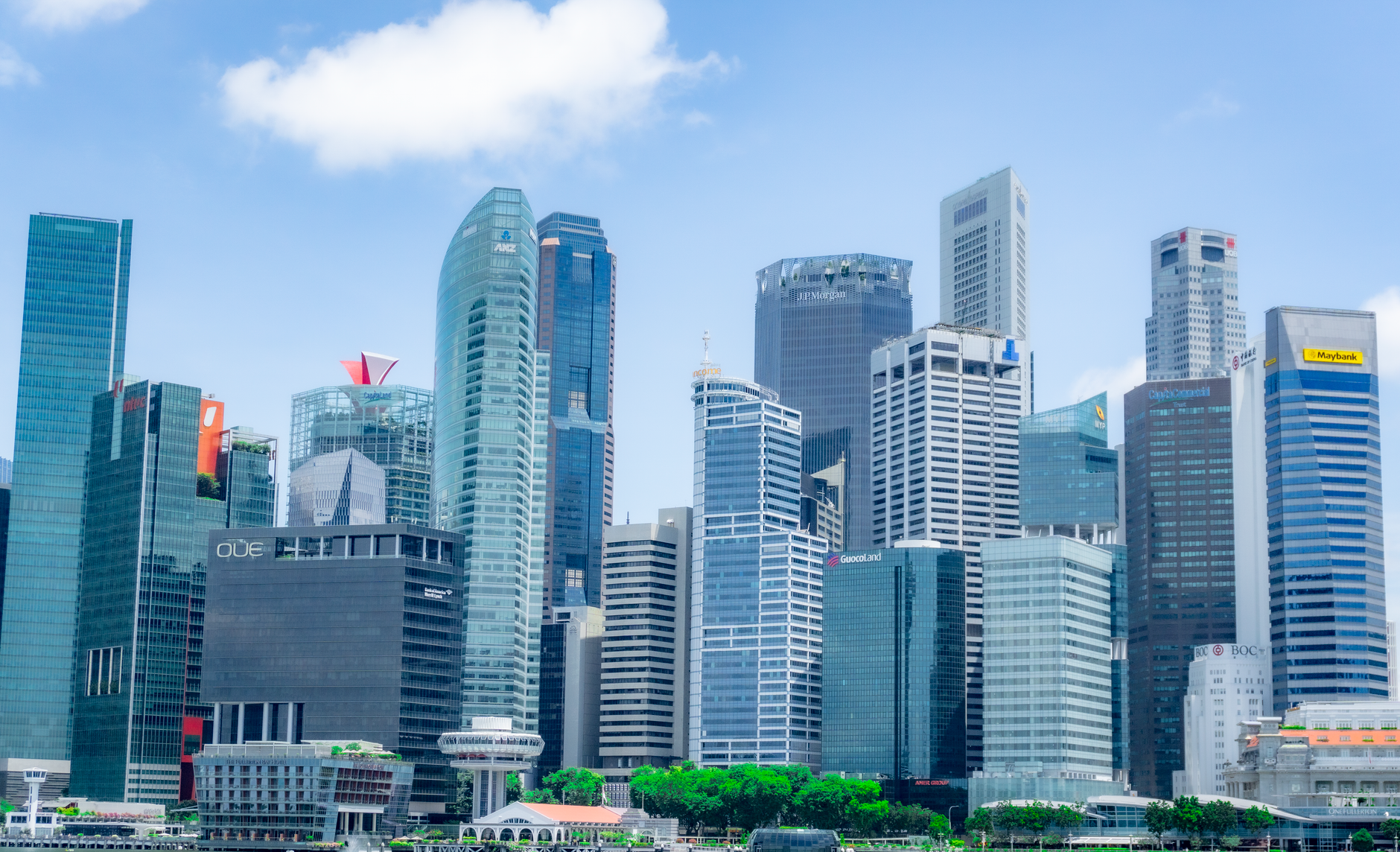
Walk through Block 71 on the edge of the National University of Singapore campus, and you'll encounter something increasingly rare in 2026: a tech ecosystem that works across ideological boundaries. While innovation hubs in other regions fragment along geopolitical lines—Shenzhen tightening under state oversight, Tel Aviv facing regional isolation, San Francisco retreating inward—Singapore continues attracting talent and capital that global companies frankly have nowhere else to comfortably operate.
The distinction lies not in any single breakthrough technology or venture fund size. Rather, it's Singapore's institutional design. The city-state's regulatory framework treats technology as a strategic asset requiring clear rules, not ideological control. The Monetary Authority of Singapore's fintech sandbox has become a model precisely because it offers certainty without suffocation. Companies know exactly what compliance looks like before they build.
This clarity matters more than ever. When Gojek's founder faced serious corruption charges this year, Singapore's legal system demonstrated the rule of law applies uniformly—a transparency that paradoxically strengthens rather than weakens investor confidence. Competing hubs offer either opacity or excessive restriction. Singapore offers neither.
The talent arbitrage remains striking. A mid-level software engineer in Singapore earns roughly SGD 120,000 annually—substantially less than San Francisco or London, yet still sufficient to attract top performers who value quality of life, education access for families, and political stability. More critically, Singapore's multicultural composition means companies building for Asian markets can test ideas with genuine demographic diversity. Roughly 14 per cent of Singapore's population are foreign-born tech professionals, far higher proportionally than comparable global cities.
Infrastructure investments underscore this deliberate approach. The National Research Foundation's push into quantum computing and advanced manufacturing, housed across facilities in Jurong and Bedok, creates natural clustering that mimics—but doesn't replicate—Silicon Valley's organic formation. The difference: Singapore's clusters are strategically designed to fill regional gaps rather than chase trend cycles.
The geometry also matters. Singapore sits within a four-hour flight radius of 1.9 billion people. Founders can monitor operations across Southeast Asia without relocating. For deep-tech companies requiring hardware manufacturing, proximity to Malaysia and Vietnam's supply chains is invaluable. For fintech, the regulatory interoperability ASEAN is building creates a natural expansion path that doesn't exist for competitors anchored in isolated ecosystems.
As geopolitical fragmentation accelerates—affecting everything from AI governance standards to semiconductor trade—Singapore's positioning as a genuinely neutral, rules-based hub becomes less a luxury and more a necessity. That's what distinguishes it.
This article was compiled by AI and screened before publishing. See our editorial standards.