Technology
Singapore's Remote Work Boom Raises Worker Protection Concerns
As coworking spaces proliferate across Marina Bay and beyond, experts warn that the future of work brings thorny questions about worker protections, surveillance, and inequality.
How we reported this
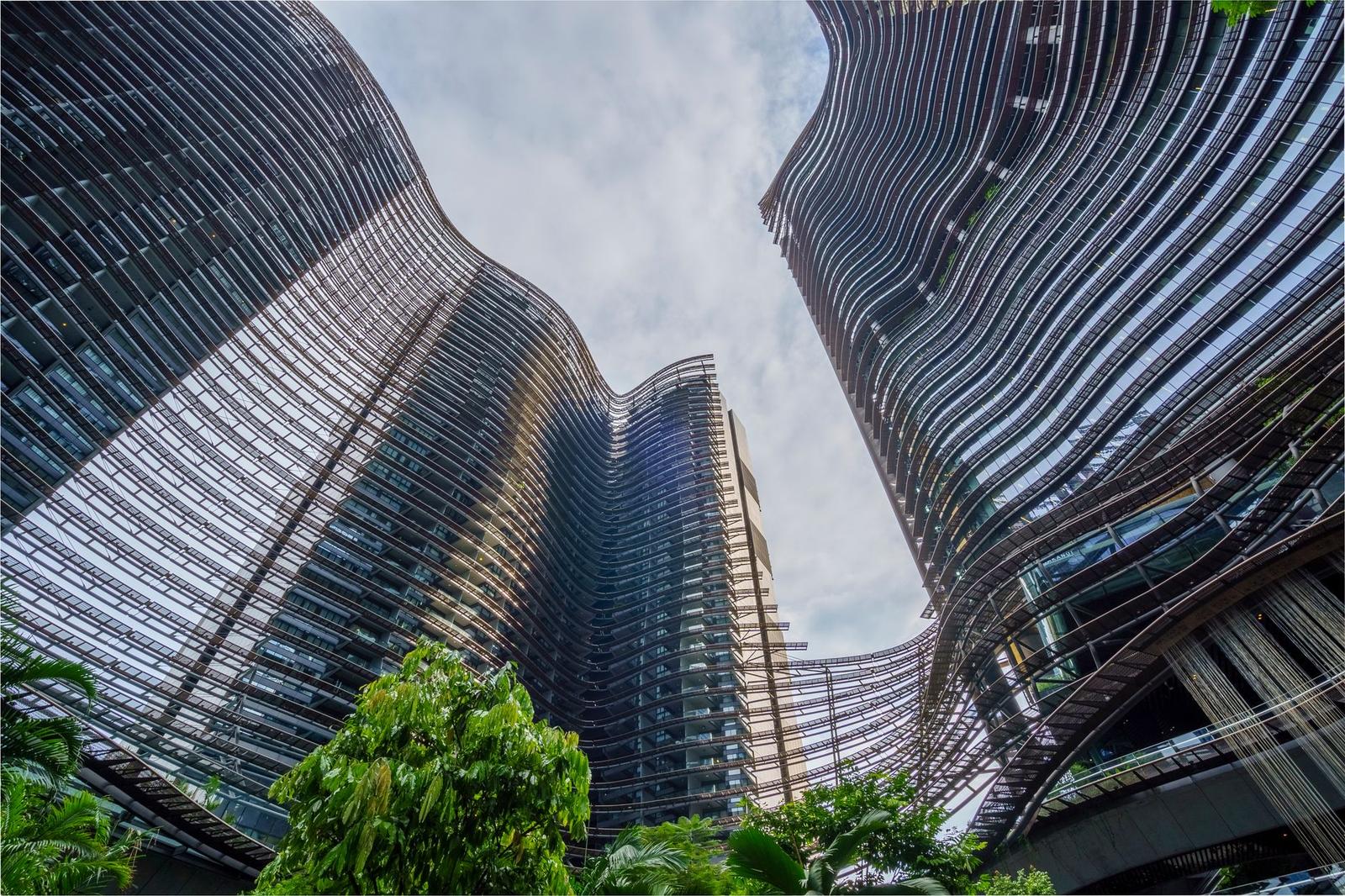
Walk into any coworking hub along Beach Road or in the heart of one North Business Park these days, and you'll witness Singapore's version of the future of work in action. Sleek pods, standing desks, and networking lounges hum with activity from freelancers, startup founders, and corporate remote workers. The numbers tell a compelling story: Singapore's coworking market is projected to grow 12 per cent annually through 2028, with monthly memberships ranging from $400 to $1,500 depending on location and amenities.
Yet beneath this glossy veneer of flexibility and autonomy lie uncomfortable truths that Singapore's tech and business communities have only begun to grapple with. While remote work and coworking offer genuine advantages-reduced commute times, lower overhead costs, and greater work-life balance for some-they simultaneously mask a range of systemic risks that extend from worker welfare to data security to widening inequality.
The first concern is labour protections. Freelancers and gig workers operating from coworking spaces like those clustered in Paya Lebar and Tanjong Pagar often lack the safety nets afforded to traditional employees. Healthcare benefits, paid leave, and CPF contributions remain patchwork at best. A recent survey by the Institute of Policy Studies found that nearly 60 per cent of Singapore's flexible workforce express anxiety about long-term financial security.
Data privacy and surveillance present a second challenge. Many coworking operators harvest behavioural analytics on members-when they arrive, which areas they use, whom they meet. Some argue this borders on invasive. Coupled with the prevalence of open-plan working environments, sensitive client information or proprietary company data can be inadvertently exposed.
Perhaps most troubling is the equity dimension. While professionals in high-demand sectors can negotiate remote work arrangements, lower-wage service and manufacturing workers cannot. This spatial flexibility becomes a privilege for the already privileged, deepening Singapore's existing socioeconomic divides.
The Ministry of Manpower has acknowledged these tensions, publishing guidelines on flexible work arrangements last year. But guidelines, without enforcement mechanisms, remain largely aspirational. Meanwhile, companies racing to adopt hybrid models often do so to cut real estate costs rather than genuinely improve employee wellbeing.
Singapore's ambition to lead the region in innovation and work culture is admirable. But realising that vision responsibly requires moving beyond celebration of coworking culture to confront hard questions about whose interests this shift truly serves, and what protections must accompany the promise.