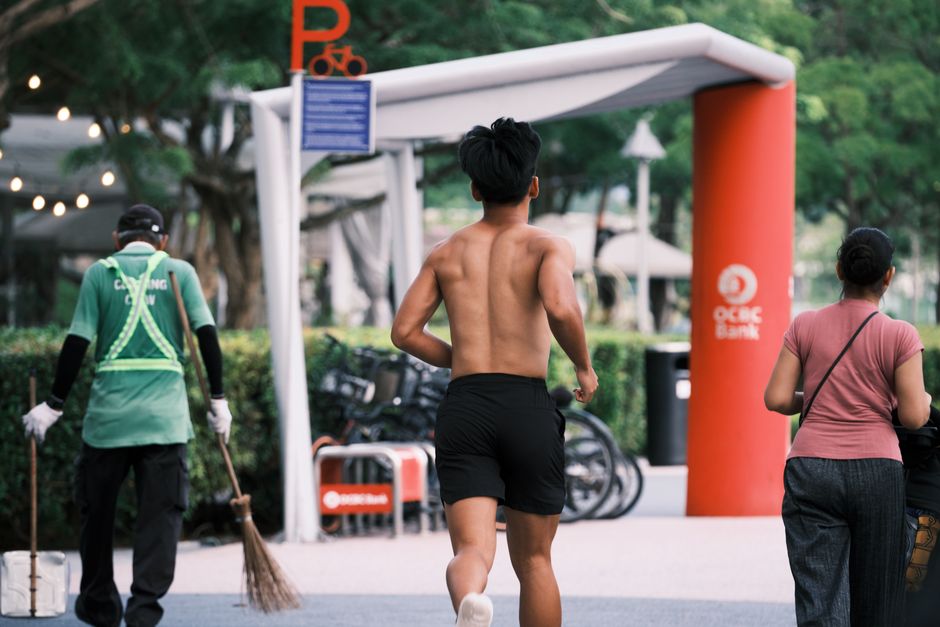
On any given Saturday morning, the East Coast Park corridor buzzes with a familiar rhythm: trainers hitting tarmac, ponytails swinging in sync, the occasional cyclist ringing their bell. What once felt like a niche pursuit—running outdoors in tropical heat—has quietly become one of Singapore's fastest-growing wellness trends, reshaping how residents approach fitness in an increasingly health-conscious city.
The numbers tell the story. Running clubs across Singapore have reported membership surges of 20 to 30 per cent over the past three years, with groups like those organising free community runs in neighbourhoods from Clementi to Tanjong Rhu attracting hundreds weekly. The appeal is straightforward: outdoor running requires no membership fees, no equipment beyond decent shoes, and no aircon-induced sticker shock.
"People are realising they don't need a gym to be fit," says the growing consensus among fitness enthusiasts from Bukit Timah to Bedok. The East Coast Park's 15-kilometre stretch remains the flagship, but lesser-known routes are gaining traction too. The Botanic Gardens' 52 hectares offer tree-lined trails perfect for slower, meditative runs. Meanwhile, the new Park Connector Network continues expanding, linking neighbourhoods from Pulau Ubin's forest paths to the Thomson-Kallang corridor's emerging greenway.
What's driving this shift? Part of it is practical. With HDB estate gym facilities remaining free and hawker centres increasingly featuring nutritious meal options, the infrastructure for holistic wellness is already in place. But there's also a cultural element. Running groups have become social hubs—places where professionals, retirees, and teenagers interact beyond WhatsApp chats, building community while building cardiovascular fitness.
The trend has even infiltrated workplace wellness programmes. Companies from the CBD are now sponsoring lunchtime runs around Marina Bay and Marina South Park, where cooling drink stations and shower facilities at nearby community centres make it feasible for office workers to run mid-day.
Local polyclinics have noticed the uptick too, reporting increased consultations around running-related injuries—a sign that more people are engaging in regular aerobic activity. Physiotherapists in areas like Orchard and Bukit Merah say the typical patient profile has shifted younger, with recreational runners seeking preventive care rather than crisis intervention.
As Singapore continues densifying, these outdoor spaces represent something precious: free, accessible wellness infrastructure embedded into the urban fabric. Whether it's the Sentosa running routes, the Kallang River Park, or quiet early mornings at Kent Ridge Park, the message is clear. The city's best fitness trend isn't happening indoors. It's happening on its streets, parks, and pathways, one stride at a time.
This article was compiled by AI from the sources linked above and screened before publishing. See our editorial standards.