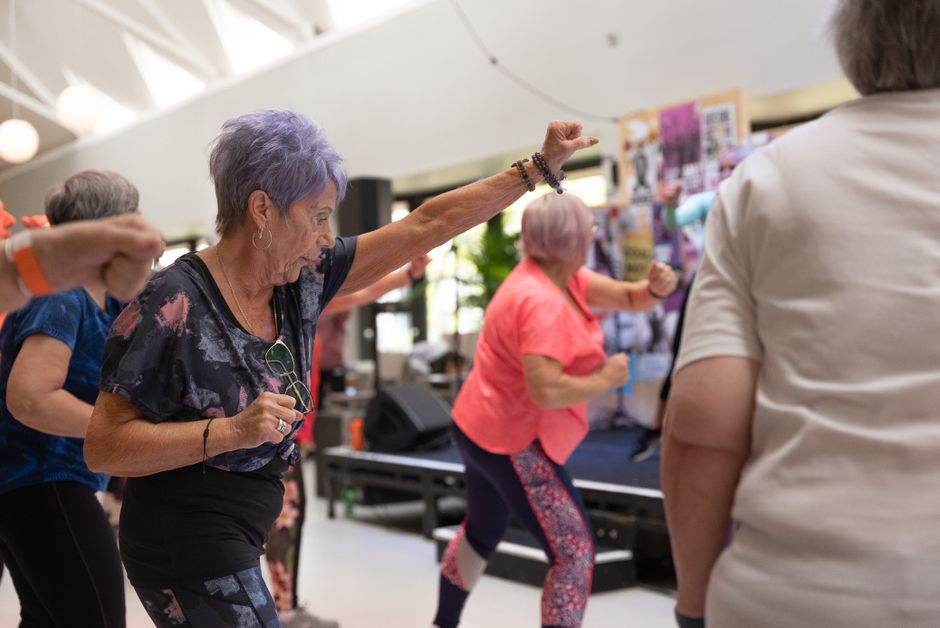
For many seniors in Singapore, the barrier to staying fit has never been cost—it has been knowing where to start. That changed significantly when grassroots councils across the island began rolling out free fitness programs tailored specifically for residents aged 60 and above, making wellness accessible in every neighbourhood from Punggol to Jurong.
The initiative, coordinated through community clubs and grassroots organisations, reflects a broader shift in how Singapore approaches preventive health. At Tanjong Pagar Community Club, free tai chi sessions run three mornings a week, drawing regulars who appreciate both the gentle joint-friendly movements and the social aspect. Similar programs operate at East Coast Park pavilions, where the sea breeze and flat terrain make for ideal walking and low-impact exercise venues. Clementi Community Club now offers aqua aerobics in its pool during off-peak hours, a particularly valuable option for those managing arthritis or recovering from injury.
"What makes these programs work is their accessibility," explains the wellness approach embedded in Singapore's health policy framework. Participation requires only a visit to the nearest community club or a call to the local grassroots organisation—no membership fees, no equipment purchases. The East Coast Plan and Botanic Gardens also host free walking groups and outdoor fitness meetups, leveraging Singapore's excellent public spaces.
The data supports the impact. Seniors engaged in regular group exercise report improved mobility, better balance, and reduced fall risk—outcomes that directly reduce strain on the polyclinic network. Beyond the physical benefits, participation addresses isolation, a growing concern among older adults living alone across HDB estates.
These programs also align with the "smaller doses of exercise" principle gaining traction in fitness medicine: brief, regular activity sessions prove more sustainable and safer for aging bodies than sporadic intense workouts. Many councils have adapted their offerings accordingly, replacing hour-long classes with three 20-minute sessions spread across the week.
Residents keen to explore options should contact their local grassroots organisation or community club directly. Most neighbourhoods offer at least two free weekly programs. Transport is rarely an obstacle in Singapore; most venues sit within walking distance of an MRT station or bus stop, and some councils arrange free shuttle services for residents with mobility concerns.
The message is clear: staying active in your 60s and beyond no longer requires expensive gym memberships or private classes. Singapore's free senior fitness ecosystem, quietly expanding across residential zones, proves that good health is increasingly a right, not a luxury.
This article was compiled by AI from the sources linked above and screened before publishing. See our editorial standards.