Walk into any HDB void deck in Geylang or Bukit Merah on a Tuesday morning, and you'll spot the pattern: seniors doing tai chi, gentle stretching, or simply walking laps while chatting. These aren't structured programmes. They're habits that have quietly become part of daily rhythm across Singapore's estates.
The insight emerging from community wellness centres across the island is straightforward: mobility in older age isn't built during sporadic gym sessions. It's maintained through consistent, unremarkable movement woven into everyday life.
Consider the practicalities locals have adopted. Many seniors living near the East Coast Park use their morning or evening walks as a non-negotiable appointment with themselves—often 30 to 45 minutes, three or four times weekly. The flat, accessible paths near Marine Parade and Katong make this sustainable. Others in central estates like Tanjong Pagar and Outram use the community centres' free gym facilities, not for intense training, but for light resistance work on machines designed for their range of motion. The accessibility matters: no transport costs, familiar neighbourhood, minimal friction.
Stair climbing—something many avoid—has become purposeful in multi-storey HDB living. Taking stairs instead of lifts in blocks like those in Clementi or Ang Mo Kio isn't marketed as exercise; it's simply how residents get home. Accumulated over weeks and months, this activity preserves leg strength and balance without special effort.
The Botanic Gardens in Tanglin offers another lived example. The 74-hectare space draws regular visitors who walk the same routes, gradually building familiarity and confidence. Entry is free, making it accessible across income levels.
A practical detail worth noting: many successful older adults keep movement social. Whether it's joining a community dance class at a neighbourhood centre or walking with friends from the same block, the habit sticks when it's tied to people, not performance metrics.
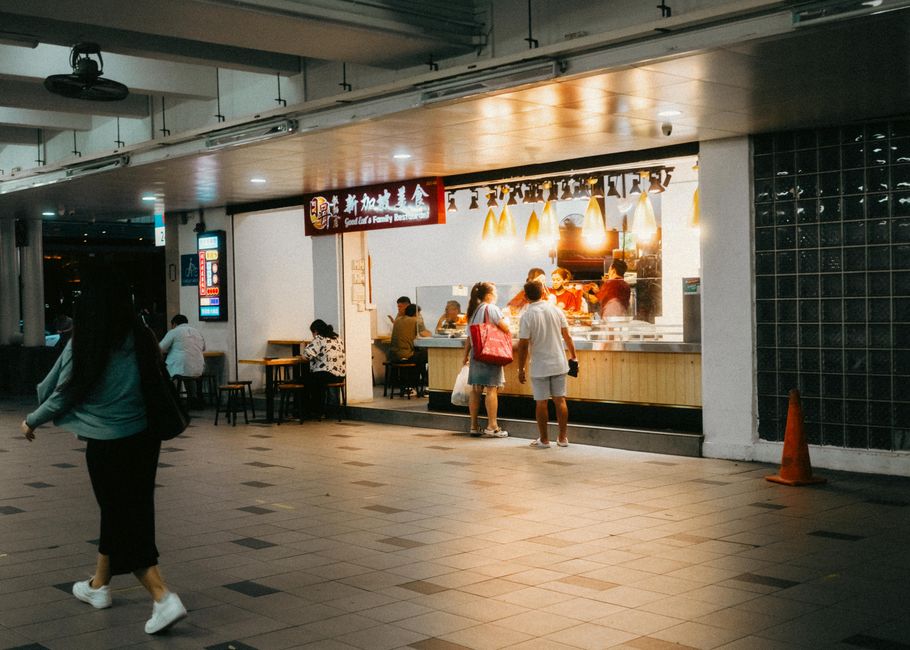
Hawker culture plays a supporting role too. Choosing to walk to a hawker centre in Tiong Bahru or Tekka Market, rather than taking transport, accumulates gentle activity while embedding movement into necessary errands.
What these everyday habits share is consistency, accessibility, and integration into existing routines. They require no special equipment, no expensive memberships, and no drastic lifestyle overhaul. They're also sustainable—seniors who've maintained them for years report it's because these activities never felt like separate 'wellness work.'
For those starting, the pattern suggests beginning with what's already nearby: your estate's gym, a familiar walking route, or a community group. Small, regular, local—that's the rhythm that works.
This article was compiled by AI from the sources linked above and screened before publishing. See our editorial standards.