Wellness
Screen Time and Sleep: What the Research Actually Shows
Forget the blanket bans—here's what neuroscientists have learned about phones, blue light, and why your sleep troubles might not be what you think.
3 min read
Wellness
Forget the blanket bans—here's what neuroscientists have learned about phones, blue light, and why your sleep troubles might not be what you think.
3 min read
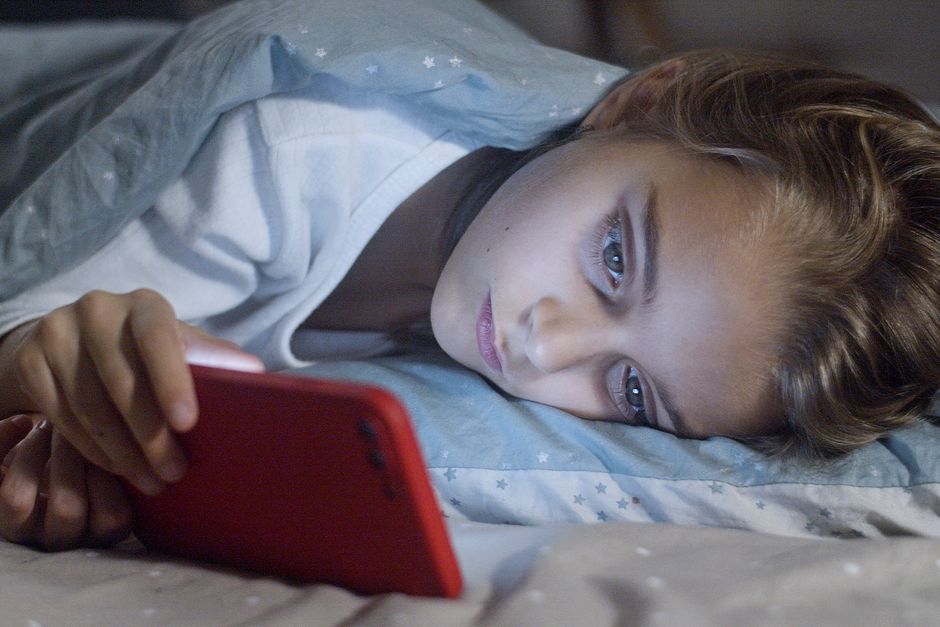
The narrative is familiar by now: put your phone away an hour before bed, or blue light will destroy your sleep. It's the kind of wellness advice that spreads quickly through Singapore's community chat groups and polyclinic pamphlets. But the actual science tells a more nuanced story—one that most of us haven't heard.
Recent research from sleep medicine journals reveals that blue light's direct impact on melatonin suppression is far smaller than popular culture suggests. A 2024 meta-analysis found that while screens do emit blue wavelengths, the effect is modest compared to overhead room lighting—and negligible if you're already in dim conditions. The real culprit, researchers now say, isn't the light itself but what screens do to your behaviour.
"It's not the glow; it's the grip," explains the distinction: scrolling through TikTok or work emails keeps your mind cognitively active and your nervous system in sympathetic (alert) mode. That mental engagement—checking WhatsApp messages from your Ang Mo Kio office group, doom-scrolling news about property prices—is what delays sleep, not the wavelength hitting your retina.
For Singaporeans particularly, the issue is compounded by work culture. Many professionals working in the Central Business District or from HDB home offices struggle to mentally clock off, with work Slack notifications and emails bleeding into evening hours. The screen becomes a proxy for stress, not merely a source of light.
What does help? Studies consistently show that *when* you use screens matters less than *what you do* on them. A 30-minute leisurely scroll through an audiobook app or photography feed has a different neurological impact than rapid-fire news consumption or work emails. Dimming your screen brightness costs nothing and does help slightly. But the emphasis should be on the content and your emotional response to it.
Local resources support this approach. The Health Promotion Board's HealthHub app includes sleep tracking features without relying on screen restriction myths. Community centres across estates—from Bedok to Bishan—offer free evening wellness classes that build wind-down routines that actually work: gentle yoga, tai chi, or simply outdoor walks along the East Coast Park or Singapore Botanic Gardens.
The practical takeaway: you don't need to banish your phone. Instead, be intentional about *why* you're using it before bed. Set boundaries around work notifications, not the device itself. Create a genuine wind-down that engages your parasympathetic nervous system—whether that's reading, stretching, or yes, even a calm app.
Sleep science has moved beyond scare tactics. The evidence suggests that your sleep problem likely isn't your screen—it's what your screen is making you think about.
This article was compiled by AI from the sources linked above and screened before publishing. See our editorial standards.
Wellness
Wellness
Wellness
Wellness
About this article
Published by The Daily Singapore
Spread the word
Daily brief
Free, in your inbox before 7am. Weekdays.
The Daily Network — local news across Australia