When Mdm Tan started attending a meditation class at Bukit Merah View Community Club three years ago, she was sceptical. Today, she credits the practice with helping her manage chronic anxiety. What she may not realise is that her brain has undergone measurable physical changes—changes that neuroscientists have now mapped with remarkable precision.
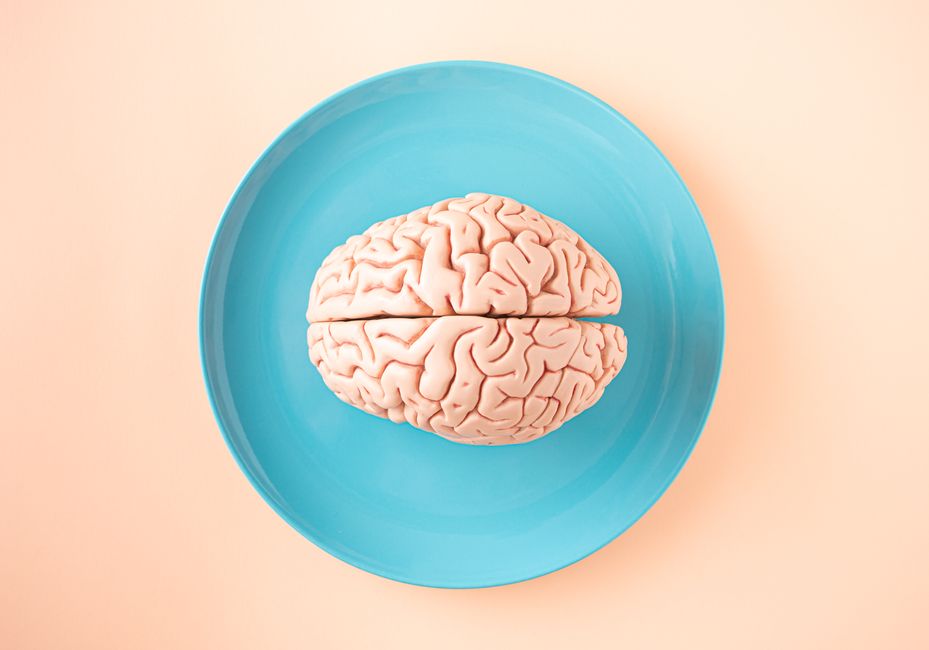
Recent neuroimaging studies reveal that regular mindfulness meditation doesn't just make you feel calmer; it literally alters brain structure. Functional MRI scans show that consistent practitioners develop increased grey matter density in the prefrontal cortex—the region responsible for emotional regulation and executive function. Simultaneously, activity in the amygdala, the brain's threat-detection centre, decreases. For someone managing work stress or family pressures, this means fewer false alarms triggering the fight-or-flight response.
A landmark 2023 study found that just eight weeks of mindfulness training reduced cortisol levels by an average of 12 per cent. In a city-state where the World Health Organization identifies stress-related conditions as increasingly prevalent, that figure carries real weight. Singapore's healthcare costs for stress-induced illnesses exceed $200 million annually—making brain-based interventions particularly valuable.
The mechanism is straightforward: meditation strengthens connections between the prefrontal cortex and the amygdala, essentially giving you better neural "brakes" when anxiety spikes. This isn't mystical; it's neuroplasticity in action. Your brain, remarkably, remains capable of rewiring itself throughout life.
Local access to these practices has expanded considerably. Beyond community clubs and polyclinics offering subsidised mindfulness programmes, organisations like the Singapore Buddhist Lodge and various meditation centres across neighbourhoods from Tanjong Pagar to Tampines now offer classes ranging from $10 to $30 per session. Several HDB estates have integrated meditation spaces into their upgraded community facilities. For those preferring solitude, the Botanic Gardens remains free and scientifically proven to amplify mindfulness benefits—nature enhances the calming effects on the brain.
The science also clarifies why consistency matters more than intensity. Irregular meditation produces minimal neural change. The studies show results emerge after 20-30 minutes daily, sustained over weeks. Think of it like physical exercise for your emotional regulation system.
For Singaporeans navigating demanding careers and high-density living, understanding the neurobiology of mindfulness transforms it from wellness trend into evidence-based brain maintenance. Your amygdala doesn't know it's being rewired. It just knows it's responding less intensely to everyday stressors. That's not placebo—that's neuroscience.
This article was compiled by AI from the sources linked above and screened before publishing. See our editorial standards.