Wellness
Active Ageing Singapore: Science-Backed Movement for Seniors
Discover why staying mobile after 60 matters most. NUS research reveals how consistent exercise preserves brain function and extends lifespan for Singapore's seniors.
3 min read
Wellness
Discover why staying mobile after 60 matters most. NUS research reveals how consistent exercise preserves brain function and extends lifespan for Singapore's seniors.
3 min read
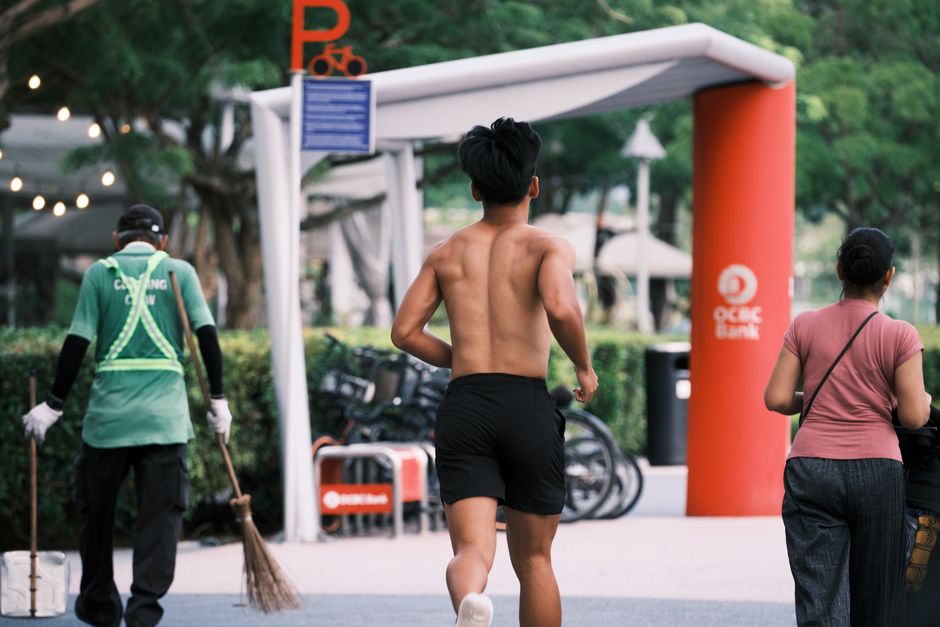
At 62, Madam Lim walks the East Coast Park footpath three times a week. She's not training for a marathon. She's following what gerontologists now call the most powerful preventive medicine available: consistent, moderate physical activity. And the science backing her routine is more compelling than ever.
Recent longitudinal studies from institutions like the National University of Singapore's Centre for Healthy Ageing have documented what researchers term the "mobility paradox"—seniors who remain physically active experience slower cognitive decline, better balance, and improved quality of life compared to sedentary peers. The research is clear: movement preserves not just muscles, but brain function itself.
"We're seeing measurable differences in neural plasticity among older adults who maintain regular activity," explains the growing body of peer-reviewed literature on ageing. The mechanism involves how exercise stimulates growth factors in the brain, particularly in regions responsible for memory and motor control. For Singaporeans, this translates into practical benefits: fewer falls, maintained independence, and delayed onset of mobility-limiting conditions.
The accessibility factor matters here. Singapore's HDB estate gym facilities remain free or low-cost, while the Botanic Gardens and ECP offer accessible, safe environments for walking. Community Sport Clubs across neighbourhoods from Tiong Bahru to Woodlands run senior-specific programmes grounded in evidence-based exercise prescription.
What does the data suggest for frequency and intensity? The World Health Organization recommends 150 minutes of moderate-intensity aerobic activity weekly for adults over 60—achievable through three 50-minute ECP walks or daily 20-minute sessions around your estate. Resistance training twice weekly matters too, targeting bone density and fall prevention.
The economic angle is significant. Singapore's healthcare expenditure could be substantially reduced through preventive active ageing programmes. A sedentary lifestyle accelerates polyclinic visits, hospitalisation rates, and long-term care dependency. Conversely, sustained mobility delays these costs by years.
Perhaps most striking is the emerging research on "movement snacking"—short bursts of activity distributed throughout the day. Even non-exercisers benefit from breaking up sitting time, standing during hawker meals, or climbing HDB stairs intentionally. Studies suggest this fragmented approach activates similar neural pathways as structured exercise.
For seniors considering whether to start moving, the research is unanimous: the optimal time was yesterday; the second-best time is today. The science isn't aspirational—it's preventive medicine with proven measurable outcomes in cognition, mobility, and longevity. Your body at 70 reflects the movement choices you made at 60.
For personalised guidance on starting an active ageing programme, consult your local polyclinic or GP.
This article was compiled by AI and screened before publishing. See our editorial standards.

Wellness

Wellness
Wellness

Wellness
About this article
Published by The Daily Singapore
Spread the word
Daily brief
Free, in your inbox before 7am. Weekdays.
Before you go
The day's Singapore news in a 2-minute read. Free, weekday mornings.