Wellness
Journaling as a Mindfulness Tool: How to Start
From Bukit Timah cafés to Tampines libraries, Singaporeans are putting pen to paper to calm their minds—here’s how you can begin your own journaling journey.
4 min read
Updated 45 min ago
Wellness
From Bukit Timah cafés to Tampines libraries, Singaporeans are putting pen to paper to calm their minds—here’s how you can begin your own journaling journey.
4 min read
Updated 45 min ago
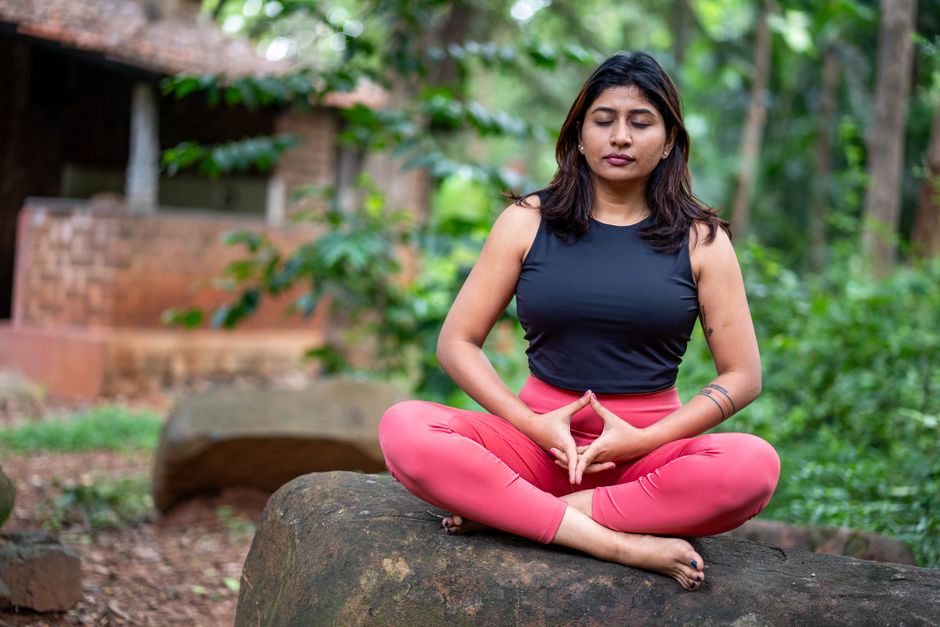
On a recent Sunday morning at Botanic Gardens, clusters of Singaporeans could be seen seated quietly under the shade of a Tembusu tree, notebooks open, pens gliding steadily across pages. They are part of a growing movement in the city-state: turning to journaling as a practical, low-cost mindfulness practice to combat daily stress and cultivate emotional clarity.
It’s no coincidence that interest in simple mental wellness tools like journaling is climbing. The Health Promotion Board’s National Population Health Survey released in December 2025 found that one in three adults in Singapore reported feeling stressed or lonely at least once a week – a steady increase compared to previous years. With pressures mounting from work, family, and relentless digital notifications, the search for accessible stress reduction has never felt more urgent.
Initiatives supporting journaling and mindfulness have quietly cropped up across the island. The Bukit Timah enclave has seen a rise in dedicated wellness cafés like The Mindful Company on Cluny Court, where guided journaling workshops are held monthly (S$28 per session, including a complimentary journal). Over in Tampines Regional Library, the Mindfulness & Writing Club gathers every second Saturday; residents as young as 12 and as senior as 70 attend, free of charge, to try out reflective prompts. Public parks, too, are doubling as urban sanctuaries. East Coast Park fitness corners fill up early for sunrise meditation-and-journaling meetups organised by local non-profit Mindful Singapore.
These efforts are being buoyed by the mainstreaming of community wellness: HDB estate fitness zones now display starter kits promoting both physical and mental exercises, including QR-coded journaling templates in the Queenstown and Toa Payoh precincts. At Polyclinic Wellness Days, staff hand out small gratitude notebooks – an initiative that started with SingHealth Polyclinics in October 2025 and is spreading to northern neighbourhoods like Woodlands and Yishun.
Evidence supports the surge in interest. According to a 2024 survey by local health-tech startup Thoughtspace, 61% of Singaporeans who introduced a daily journaling habit for 30 days reported lowered feelings of anxiety and improved sleep quality. International studies echo these findings, with clinical psychologist Dr. Chen Si Wei highlighting that expressive writing can reduce cortisol levels, moderate blood pressure, and bolster wellbeing within just two weeks. In Singapore, a plain notebook can be picked up for as little as S$2 at Popular Bookstore branches in Junction 8 or Northpoint City, making journaling a cost-friendly option compared to many digital apps or therapy sessions.
For the tech-inclined, the National Library Board’s NLB Mobile app and the Student Health Centre’s Mindful Journaling Portal both provide free digital prompts in English, Chinese, and Malay. Data from the NLB shows over 25,000 downloads of their Mindful Journaling e-kit since it was launched in April 2025.
Singaporeans curious to try journaling for mindfulness can start simple: set aside five to ten quiet minutes a day, perhaps after an ECP morning run, or tucked into a corner at Novena’s Velocity Mall. Experts recommend beginning with structured prompts—try listing three things you are grateful for, or jotting down moments of tension and what helped you cope. Write by hand if possible, as research from the Duke-NUS Medical School suggests improved emotional retention when using pen and paper.
Those feeling stuck can tap free community resources, attend a guided session, or pair journaling with breathing exercises promoted at community clubs like Our Tampines Hub. And, as always, personal mindfulness practices are most effective when they become a regular habit rather than a fleeting novelty. With the palm-fringed parks, libraries, and even your neighbourhood kopitiam within reach, there are plenty of spaces to begin tuning in—one page at a time.
About this article
Published by The Daily Singapore
Spread the word
Daily brief
Free, in your inbox before 7am. Weekdays.
Before you go
The day's Singapore news in a 2-minute read. Free, weekday mornings.