Wellness
Nutritionists reveal Singapore's healthiest cafes and restaurants
From Bukit Timah to Tiong Bahru, dietitians name the spots where healthy eating doesn't mean salad fatigue.
3 min read
Updated 9 min ago
Wellness
From Bukit Timah to Tiong Bahru, dietitians name the spots where healthy eating doesn't mean salad fatigue.
3 min read
Updated 9 min ago
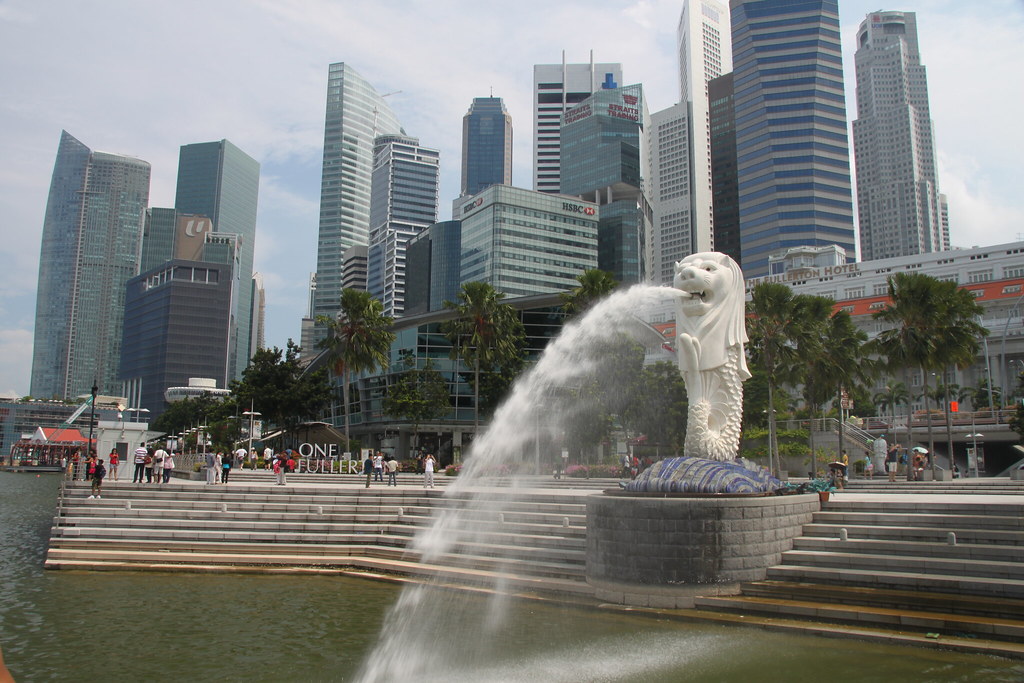
Singapore's hawker centres serve 6 million meals a day, but a growing number of residents are looking beyond the carrot cake and chicken rice for meals that actually earn a nutritionist's nod. At least 18 new 'wellness cafes' have opened across the island since January 2026, according to data from the Singapore Food Agency, and three out of five dietitians surveyed by the Nutrition Society of Singapore now maintain a curated list of approved eateries they recommend to clients.
Bukit Timah's The Living Café at 26A Lorong Mambong replaced its deep-fryer with a steam oven in early 2025. The menu now features a quinoa-crusted barramundi ($18.90) and a turmeric-coconut brown rice bowl ($12.50). A 2025 study published in the Singapore Medical Journal found that patrons who ate there twice a week for three months reduced their average sodium intake by 420mg per day. The café works with dietitian Clara Tan of Mount Elizabeth Hospital to redesign seasonal menus.
In Tiong Bahru, Nourish & Co. at 56 Eng Hoon Street serves a 'polyclinic-friendly' set lunch: grilled saba fish, brown rice and a side of sautéed kailan for $9.90. The owners consulted the Health Promotion Board's Healthier Dining Programme guidelines before opening in March 2026. The café now participates in the HPB's 'Lower Sugar' and 'Lower Sodium' labels-two of the four stores in the district to do so.
Downtown, at 1 Raffles Place, Green Harvest has a grab-and-go counter that is popular with office workers. Its 'Energy Bowl'-kale, roasted sweet potato, edamame, salmon and a miso-tahini dressing-costs $14.50. The café's nutrition panel includes a certified dietitian who validates every item on the menu; the average meal clocks 520 calories, 28g protein and 8g fibre.
Singapore's obesity rate hit 13.1% in 2025, up from 10.5% in 2020, according to the Ministry of Health's National Nutrition Survey. At the same time, the median price of a meal at a hawker centre rose to $6.50 in June 2026, a 22% increase from 2022. The result: more Singaporeans are willing to spend a little more for meals that deliver explicit health benefits. 'People are looking for food that doesn't require me to do maths,' said one polyclinic dietitian who requested anonymity for professional reasons. 'They want a sticker that says it's okay.'
The trend has spread beyond standalone cafés. At least seven HDB blocks in Queenstown and Ang Mo Kio now host community-run 'health kiosks' that sell meal prep boxes approved by a dietitian from the Singapore General Hospital. Each box-for example, a chickpea and spinach curry with brown rice at $6-contains a QR code linking to its full nutritional breakdown.
Even the National University of Singapore's Centre for Healthcare Research and Innovation recently launched a 'Healthy Plate' accreditation for independent eateries in Clementi and Holland Village. Fifteen restaurants have signed up since June 1, 2026, pledging to cap saturated fat at 8g per serving and to use HPB-recommended cooking oils.
For residents who want to start their own healthy-eating routine, the Nutrition Society of Singapore publishes a free online directory of accredited eateries, updated every quarter. The next update comes out September 1, 2026. Until then, the three cafés named here all pass the society's 'no-fail' checklist: visible calorie counts on the menu, no trans fats in the kitchen and at least one meal under $12.
About this article
Published by The Daily Singapore
Spread the word
Daily brief
Free, in your inbox before 7am. Weekdays.
Before you go
The day's Singapore news in a 2-minute read. Free, weekday mornings.