wellness
Strategic Napping Boosts Focus, But Timing Matters for Singapore Workers
Singapore residents balancing long commutes and shift work find that strategic daytime rest can sharpen focus or sabotage nighttime sleep depending on timing and duration.
How we reported this
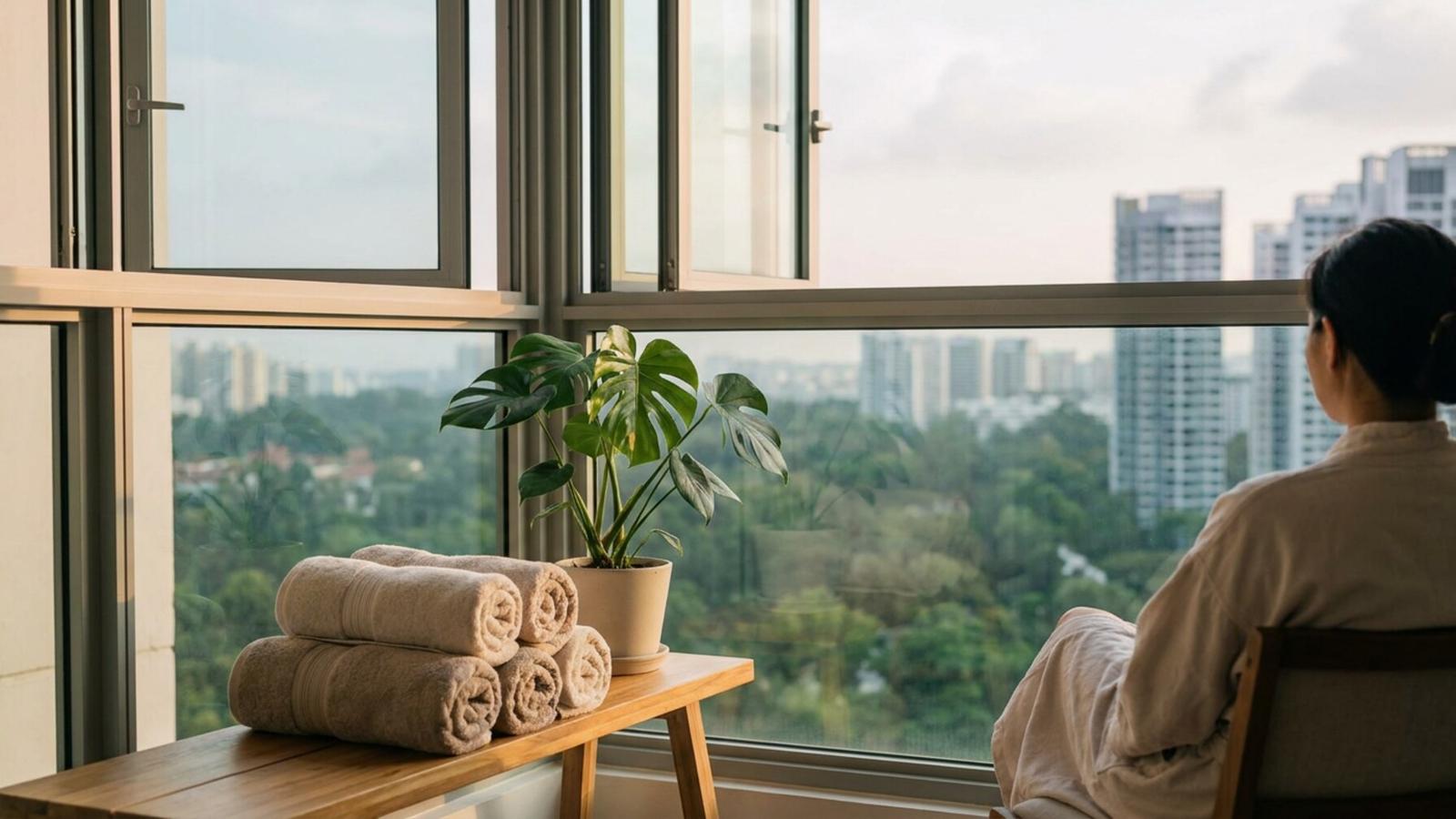
Health Promotion Board data released this month shows that 42 percent of Singapore adults now take at least one nap per week, up from 31 percent in 2023, as hybrid work schedules leave more people at home during the day.
The increase matters because many residents still average under seven hours of night-time sleep amid early MRT rides and evening family duties. Short naps can restore alertness without the grogginess that longer ones produce, yet poorly timed rest can push bedtimes later and deepen fatigue over weeks.
East Coast Park runs and Toa Payoh community gyms set the daily rhythm
Workers who finish night shifts at Changi Airport often head to East Coast Park at 8 a.m. for a 5-kilometre jog before returning home for a 20-minute rest. Others finish free HDB gym sessions at the Toa Payoh Sports and Recreation Centre and then lie down in cooled bedrooms for no more than half an hour. Both groups report steadier concentration during afternoon meetings when the nap stays short and ends before 3 p.m.
Residents in Punggol and Sengkang, where new HDB blocks sit farther from central offices, face longer train rides that eat into evening wind-down time. Many now schedule brief naps between 1 p.m. and 2 p.m. after lunch at nearby hawker centres, using blackout curtains and phone alarms set to 25 minutes to avoid drifting into deeper sleep stages.
Local clinic figures and practical cut-offs
Bedok Polyclinic recorded a 19 percent rise in sleep-related consultations between January and June 2026 compared with the same period last year. Doctors there note that patients who nap longer than 45 minutes or after 4 p.m. are twice as likely to report trouble falling asleep before midnight. A single 20-minute nap costs nothing and fits between polyclinic appointments or before picking children up from primary school.
Experts at the Singapore General Hospital sleep clinic recommend pairing any nap with consistent morning light exposure along the Marina Bay waterfront and avoiding caffeine after 2 p.m. Residents who follow these limits report fewer visits to neighbourhood polyclinics for fatigue-related complaints within four weeks. Those who feel persistent tiredness despite adjustments are advised to book a check-up rather than adjust nap length on their own.