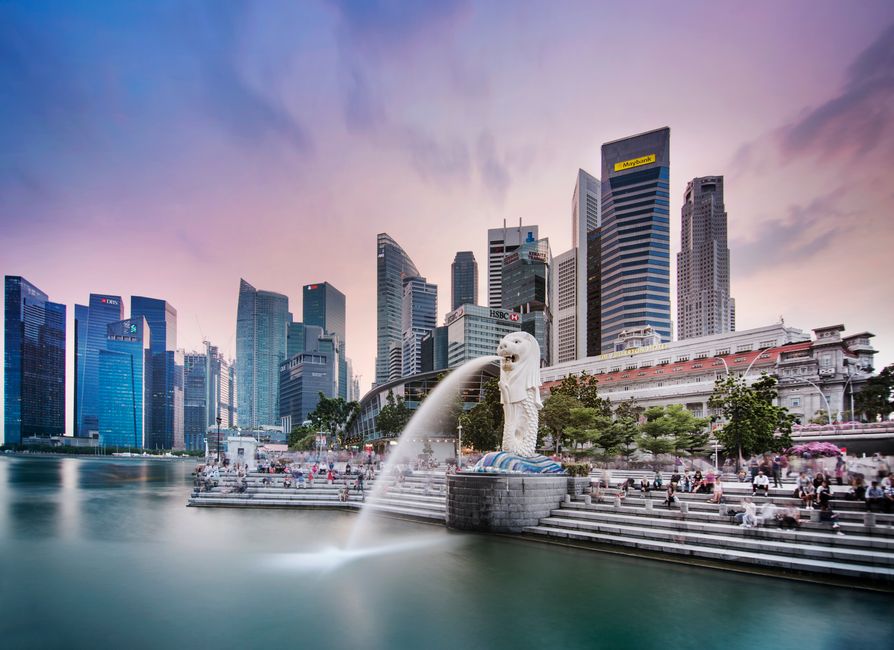
Singapore's commercial property market is sending mixed signals as we enter the second half of 2026, forcing business leaders to rethink their office footprint amid persistent structural shifts in how work gets done.
The narrative has shifted markedly from the post-pandemic frenzy. While Grade A office space in the Central Business District—particularly along Raffles Place and Shenton Way—remains coveted, landlords are no longer commanding premium rates with ease. According to recent market assessments, prime CBD rents have stabilised around S$12 to S$14 per square foot per month, a plateau that reflects neither the exuberance of 2022 nor the pessimism that gripped the sector two years ago. For tenants, this represents a genuine opportunity to renegotiate or relocate strategically.
The real action, however, is happening outside the traditional core. Secondary business districts like Tanjong Pagar, Beach Road, and the emerging clusters around one-north have become increasingly attractive. These areas offer 15 to 20 per cent rental discounts compared to Raffles Place while maintaining excellent connectivity and amenities. Notably, companies seeking flexible, modular office solutions are gravitating towards serviced office providers and co-working operators who have refined their offerings considerably since the pandemic.
Hybrid work remains the elephant in the room. A significant proportion of Singapore-based multinational corporations now operate on flexible arrangements, reducing their per-capita office requirements by 20 to 30 per cent. This structural demand reduction is likely permanent, not cyclical. Businesses still occupying traditional, fully-assigned desking models are essentially paying for unutilised space.
Industrial and logistics properties adjacent to Singapore's port and Changi Airport tell a different story entirely. E-commerce growth and regional supply chain restructuring have kept these segments robust, with limited vacancy rates and rents trending upwards. Companies in food manufacturing, precision engineering, and tech distribution are competing keenly for space.
The message for businesses now is clear: personalised due diligence beats herd mentality. Companies should audit their actual space utilisation, map employee location patterns, and stress-test their lease terms against remote-work realities. Those locking into long-term commitments at premium rates risk becoming cost-inefficient relative to competitors. Conversely, firms willing to embrace secondary locations or shorter lease tenures can achieve meaningful savings while maintaining brand presence in strategic areas.
The next 18 months will likely see further consolidation in office demand, but genuine resilience in well-positioned secondary nodes and adjacent sectors. The question for Singapore's business community isn't whether change has arrived—it has. The question is whether your real estate strategy reflects that change.
This article was compiled by AI from the sources linked above and screened before publishing. See our editorial standards.