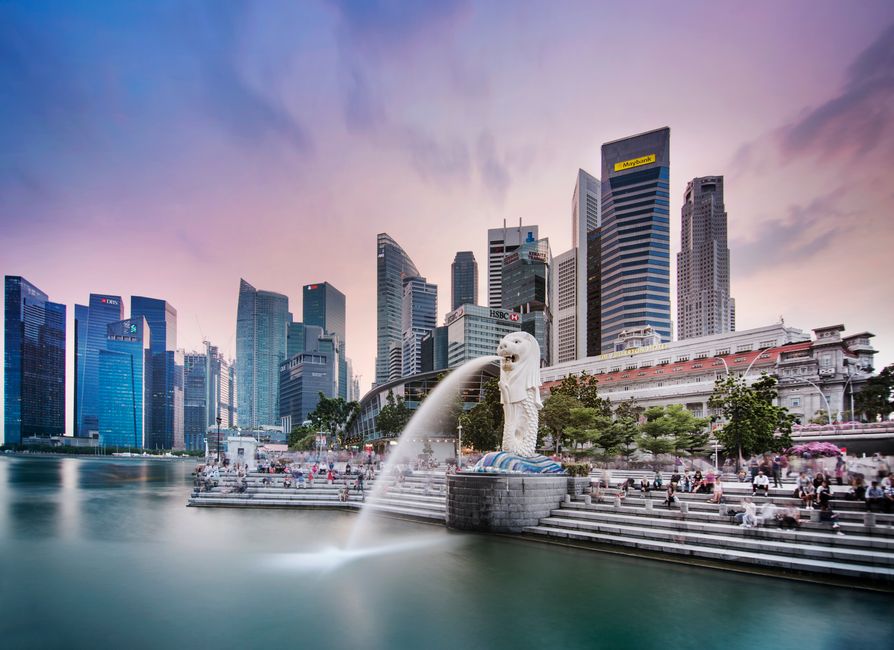
Singapore's office market is experiencing a peculiar inversion. While traditional CBD landlords grapple with rising vacancy rates and tenant flight to flexible arrangements, a parallel ecosystem of operators, tech-enabled workspace providers, and adaptive developers is flourishing in the cracks.
The numbers tell a story of bifurcation. Grade A office rents in the central business district have softened to around S$10–12 per square foot monthly, down from S$13–15 three years ago, according to property consultants tracking Marina Bay and Raffles Place. Yet newer-format offices in emerging neighbourhoods like Tanjong Pagar, Keong Saik, and even fringe areas like Tai Seng are commanding premium rates—often fetching higher per-square-foot returns—by offering flexible lease terms, shorter commitment windows, and agile design.
The winner in this shuffle? Companies and developers who recognised early that the future office wasn't about corner lots in Shenton Way, but about clustering talent in mixed-use precincts. JTC Corporation's industrial parks have seen unexpected demand from creative and professional services tenants seeking affordable alternatives to prime CBD space. Meanwhile, boutique workspace operators—who offer everything from hourly hot-desking to fully customised suites with zero long-term commitment—have expanded their footprint across multiple locations, absorbing demand that traditional landlords assumed would never materialise.
Notably, multinational corporates are fragmenting their presence. Rather than occupy a single large floor in a premium tower, firms now adopt a hub-and-spoke model: a compact presence in the CBD for client-facing work, satellite offices in residential zones like Changi Business Park or the Novena medical corridor for specialist teams, and unlimited access to distributed flex networks. This arbitrage—paying less overall while distributing teams geographically—has proven irresistible post-2024.
Property investors with smaller, agile portfolios have prospered. Those who converted older shophouse blocks in Outram and Tanjong Pagar into serviced office spaces, or who pivoted secondary retail strips into co-working hubs, have captured market share. Conversely, developers holding large tracts of vintage office stock have been forced into costly renovations or extended vacancy periods.
The question facing Singapore's property establishment is whether this is cyclical correction or structural shift. Vacancy rates in traditional CBD precincts now hover near 7–8%, the highest in over a decade. Yet demand for thoughtfully designed, flexible, mixed-use space remains robust. The winners aren't those with the most prestigious addresses—they're those nimble enough to meet where work actually happens now.
This article was compiled by AI from the sources linked above and screened before publishing. See our editorial standards.