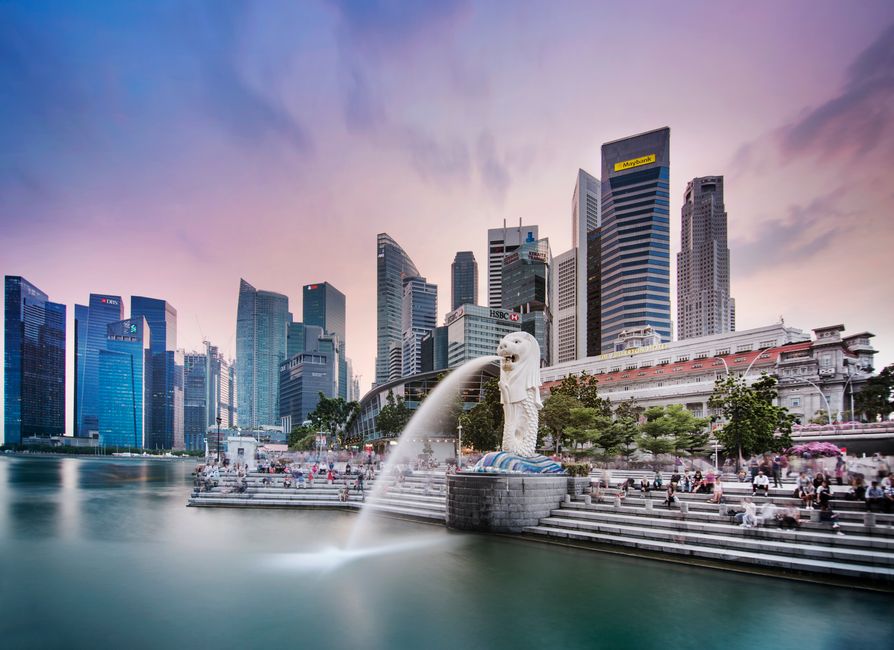
The optimism that once defined Singapore's innovation corridor has given way to cautious pragmatism. As geopolitical flashpoints multiply—from Middle Eastern volatility to South Asian tensions—venture capitalists operating out of the fintech hubs along Raffles Place and the emerging tech clusters in Block 71 are tightening purse strings and demanding profitability metrics that would have seemed draconian just 18 months ago.
"We're seeing a fundamental shift," says the sentiment echoing through corridors of firms managing the estimated $8 billion in venture capital flowing through Singapore annually. Where once a compelling vision and market size sufficed, investors now demand clear paths to revenue within 12 to 18 months—a stark contrast to the venture playbook of recent years.
The impact reverberates through OneNorth and Entrepreneur Development Centre at Block 71, where early-stage founders scramble to recalibrate. A typical Series A round, which averaged $3-5 million for deep-tech startups in Singapore two years ago, now hovers closer to $1.5-2.5 million, with more restrictive terms. Founders cite increasing difficulty attracting institutional capital from global limited partners who themselves face pressure from volatile markets and sanctions-related complications affecting cross-border investments.
The ripple effects extend beyond funding. Supply chain disruptions stemming from geopolitical fragmentation have forced logistics and supply-chain tech firms based in the Jurong Innovation District to reshape client relationships. Several startups have pivoted from global-first strategies to fortifying Southeast Asian market positions—a more defensive but stable approach.
Currency volatility presents another headwind. The Singapore dollar's strength against emerging market currencies complicates expansion for startups targeting regional growth. A biotech firm targeting Vietnamese or Pakistani markets faces higher effective costs, compelling harder negotiations with investors over burn rates and market-entry timelines.
Yet constraints breed innovation. Several Singapore-based startups are doubling down on serving regional clients insulated from Western supply chains—food-tech, renewable energy, and digital financial services catering to underbanked populations. The focus on "recession-proof" business models has sharpened pitch quality at venues like NUS Enterprise and Singularity Hub.
For Singapore's innovation ecosystem, the message is clear: global headwinds demand local resilience. Founders operating from spaces like LaunchPad or the newly refreshed innovation zones around Marina Bay must think beyond venture-scale exits and consider the unglamorous but essential work of building sustainable, regionally anchored businesses. The startup gold rush has given way to something more mature—and perhaps more durable.
This article was compiled by AI from the sources linked above and screened before publishing. See our editorial standards.