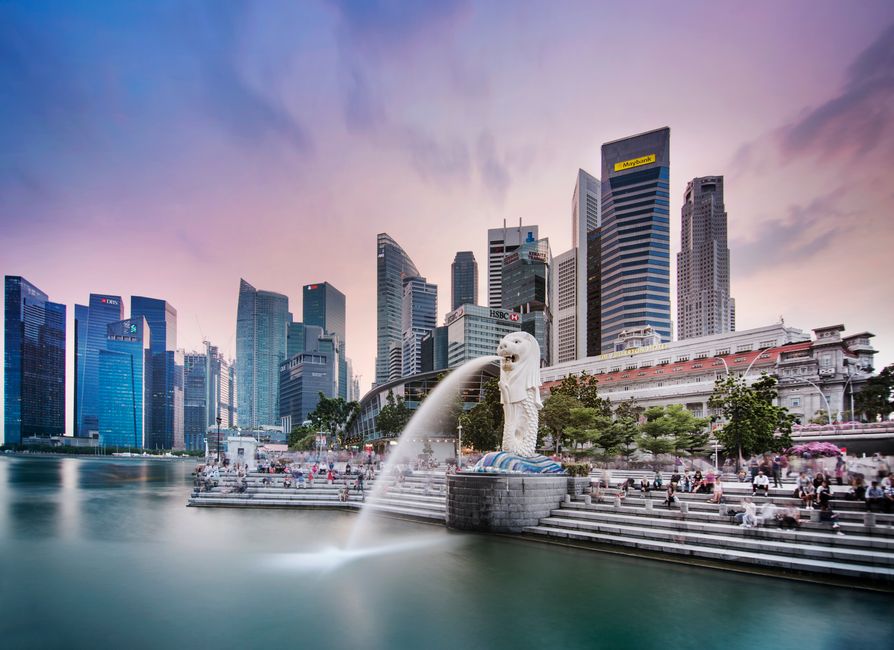
Walk through Raffles Place on any weekday morning, and you'll spot the familiar parade of finance professionals heading into gleaming towers. But beneath the polished surface, Singapore's talent market is fracturing in ways that should alarm policymakers and business leaders alike.
Over the past 18 months, the cost of living in Singapore has accelerated sharply. A one-bedroom apartment in central locations like Outram or Tanjong Pagar now commands upwards of SGD 3,500 monthly—a 22 per cent jump from 2024. Groceries, childcare, and transport have followed suit, straining middle-income earners and professionals in their thirties who once saw Singapore as a permanent home.
The ripple effect is reshaping recruitment and retention across every sector. Headhunters operating from offices in Shenton Way report a marked uptick in outbound inquiries from finance and tech professionals. Many are exploring roles in Kuala Lumpur, Bangkok, and Ho Chi Minh City, where a comparable salary stretches significantly further and housing costs remain a fraction of Singapore's.
"We're seeing a brain drain we haven't witnessed in a decade," notes recruitment data from regional job boards, which show a 34 per cent increase in Singapore-based professionals applying for positions in neighbouring countries since early 2025. The exodus is particularly acute among mid-career talent aged 30–45, precisely the cohort firms depend on for leadership pipelines.
The pressure is forcing corporate strategy shifts. Global banks and tech firms headquartered along the Marina Bay waterfront have begun offering flexible relocation packages, allowing staff to work from regional satellites in Penang or Johor Bahru. Some have pushed for salary reviews or performance bonuses structured to offset living costs—a band-aid on a structural wound.
Startups in the Collision ecosystem and Block 71 in Ayer Rajah face even sharper challenges. Without the deep pockets of multinational corporations, they struggle to compete for engineers and product managers now lured by lower costs of living in tier-two cities across Southeast Asia.
Economists warn the trend threatens Singapore's positioning as a global financial and tech hub. If top talent continues departing, attracting new investment becomes harder. Already, some early-stage firms report difficulty filling C-suite roles, with candidates increasingly reluctant to relocate family here.
The government's push for productivity gains and innovation cannot succeed if the pipeline of skilled professionals drains faster than it can be replenished. Unless housing supply accelerates and living costs stabilise, Singapore risks ceding its regional competitive advantage not to policy missteps, but to simple, brutal mathematics: a talented professional can live better, and cheaper, elsewhere.
This article was compiled by AI from the sources linked above and screened before publishing. See our editorial standards.