Reading the Tea Leaves: What Singapore's Economic Indicators Really Tell Us About Investment Flows
As foreign capital seeks safer havens amid global uncertainty, understanding GDP growth, inflation rates, and fund movements reveals why Singapore remains the region's investment magnet.
This article was generated by AI from the linked public sources. The Daily Singapore is independently owned and covers Singapore news free from advertiser or sponsor influence. Read our editorial standards →
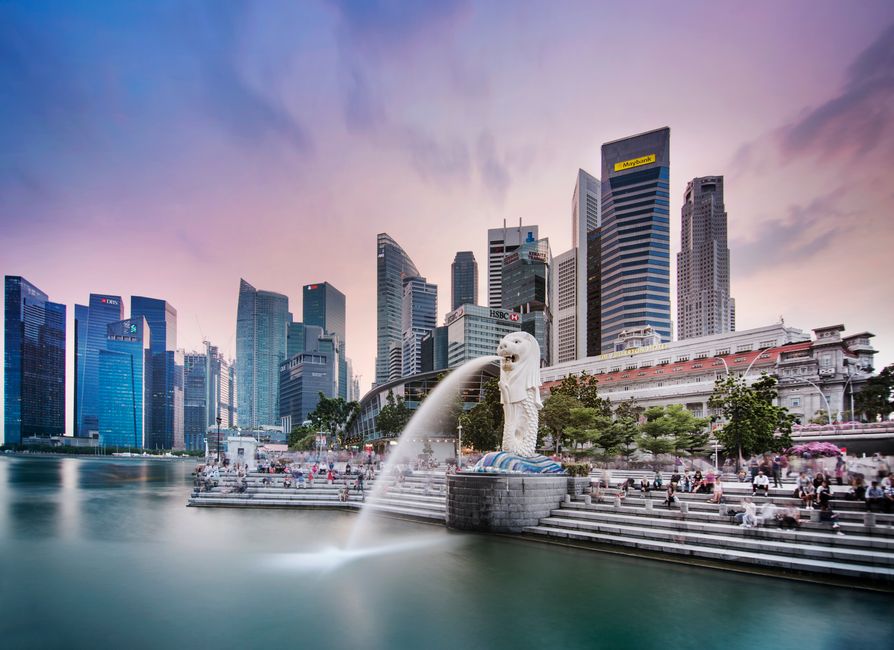
Walk through the gleaming corridors of Marina Bay Financial Centre or Raffles Place, and you'll sense Singapore's enduring appeal to global investors. But what drives those capital flows? The answer lies in three critical economic indicators that Singapore watchers monitor religiously: gross domestic product growth, inflation rates, and foreign direct investment patterns.
Singapore's first-quarter GDP growth this year clocked in at 2.1 per cent year-on-year—modest by historical standards, yet robust compared to many developed economies. This resilience matters because investors use GDP growth as a barometer for economic health. A slowing economy can deter capital; steady, predictable growth attracts it. For context, the city-state's services sector, which includes finance, remains the growth engine, contributing roughly 70 per cent of economic output.
Then there's inflation. At around 2.3 per cent annually, Singapore's price pressures remain contained—a critical advantage over regional peers. For cost-conscious multinationals operating from offices in Tanjong Pagar or tech hubs in Block 71, Ayer Rajah, this stability translates to predictable operational expenses. A family renting a three-bedroom condominium in Marine Parade pays roughly SGD 6,500 monthly; office space in the CBD runs about SGD 12 per square foot annually. These benchmarks matter because companies factor cost-of-living indices into relocation decisions.
Investment flows tell an equally compelling story. Singapore attracted approximately USD 141 billion in foreign direct investment last year, according to official data—a testament to its position as Asia's premier financial hub. These flows reflect confidence in the regulatory environment, robust rule of law, and tax treaties that facilitate international business. When a major fund relocates its Asia-Pacific headquarters to One Raffles Quay or when venture capital pours into startups across Block 71, it signals where smart money expects growth.
The interconnection is straightforward: steady GDP growth reduces economic risk; contained inflation protects purchasing power; and robust investment inflows create jobs and fuel further expansion. Singapore's ability to maintain this virtuous cycle—particularly as geopolitical tensions roil global markets—explains why the island remains a preferred destination for institutional investors and multinational corporates alike.
For Singaporeans navigating this landscape, understanding these indicators proves essential. They affect everything from mortgage rates to employment prospects to the competitiveness of local startups. In an increasingly complex global economy, these three metrics form a reliable compass.
This article was compiled by AI from the sources linked above and screened before publishing. See our editorial standards.
Covering business in Singapore. This article was generated by AI from the linked sources and was not reviewed by a human editor before publishing. See our editorial standards.