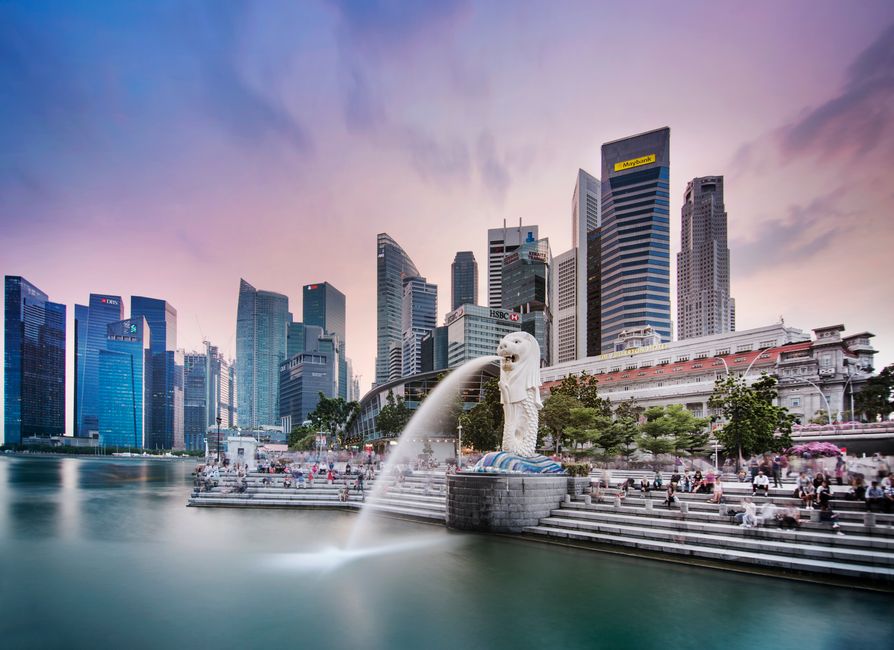
Walk into the gleaming offices of TradeFlow Asia on Tanjong Pagar Road, and you'll find something increasingly rare in Singapore's business landscape: a homegrown technology company that has cracked the code on connecting manufacturers across Asia with international buyers in real time.
TradeFlow Asia, founded in 2019 by entrepreneur Chen Wei, has grown from a scrappy startup operating out of a shophouse to a platform now facilitating over $200 million in annual cross-border transactions. The company's rise mirrors Singapore's evolving role as a digital trade hub—no longer just a port city, but a nexus for the technologies that move goods globally.
The business model is elegant: manufacturers in Vietnam, Thailand, and Indonesia list their products on TradeFlow's platform, while importers from Europe, North America, and the Middle East browse, negotiate, and secure shipments—all with embedded financing and logistics coordination handled through partnerships with DBS and PSA Singapore. The platform currently onboards over 8,000 suppliers and has processed transactions valued at more than $2.1 billion cumulatively.
What sets TradeFlow apart in a crowded market of trade fintech platforms is its deep integration with Singapore's existing infrastructure. The company partnered with Enterprise Singapore last year to help SMEs navigate digital trade compliance, and maintains data centers in both the CBD and Changi Business Park to ensure minimal latency for users across time zones.
Industry watchers note that TradeFlow's success reflects a broader trend: Singapore-based companies increasingly leverage the island's reputation for governance, its multilingual workforce, and its position as Southeast Asia's financial center to build platforms with regional and global reach. Unlike competitors headquartered in Hong Kong or Shanghai, TradeFlow benefits from Singapore's regulatory clarity and access to the city-state's sophisticated venture capital ecosystem.
The company has raised $85 million across three funding rounds, including a Series B led by Sequoia Capital in 2023. Growth has not been without challenges—supply chain disruptions from 2021 to 2023 tested the platform's resilience, yet transaction volumes surged as businesses sought digital alternatives to traditional trade intermediaries.
As geopolitical tensions reshape global manufacturing networks and companies seek to diversify supply chains beyond China, platforms like TradeFlow are becoming essential infrastructure. Chen Wei's venture demonstrates that Singapore's next generation of tech unicorns may well emerge not from consumer apps, but from the unglamorous, high-value business of connecting the real economy across borders.
This article was compiled by AI from the sources linked above and screened before publishing. See our editorial standards.