When Marcus Ng decided to pivot his family's property management business toward office conversion in 2023, colleagues warned him the timing was off. The post-pandemic office market was contracting, they said. Remote work had won. Yet today, his firm, Nexus Workspace Solutions, operates seven commercial hubs across the island, with a portfolio valued at over S$180 million—and a waiting list of multinational firms seeking flexible lease arrangements.
"The market wasn't contracting," Ng explains from his office in the heritage conservation district of Tanjong Pagar. "It was transforming." His insight proved prescient. While traditional Grade A office rents in the Central Business District have plateaued around S$12 to S$14 per square foot monthly, demand for modular, short-term spaces has surged. Ng's flagship site in the former Eu Tong Sen Street warehouse district now houses 47 companies ranging from design studios to fintech startups, paying premium rates for customisable layouts and zero long-term commitment.
The numbers reflect a broader market shift. According to the Urban Land Institute's latest Singapore report, co-working and managed office spaces now account for 12% of the commercial property market, up from just 3% five years ago. Traditional office occupancy, meanwhile, hovers around 68% across the CBD—a telling statistic that underscores Ng's opportunistic positioning.
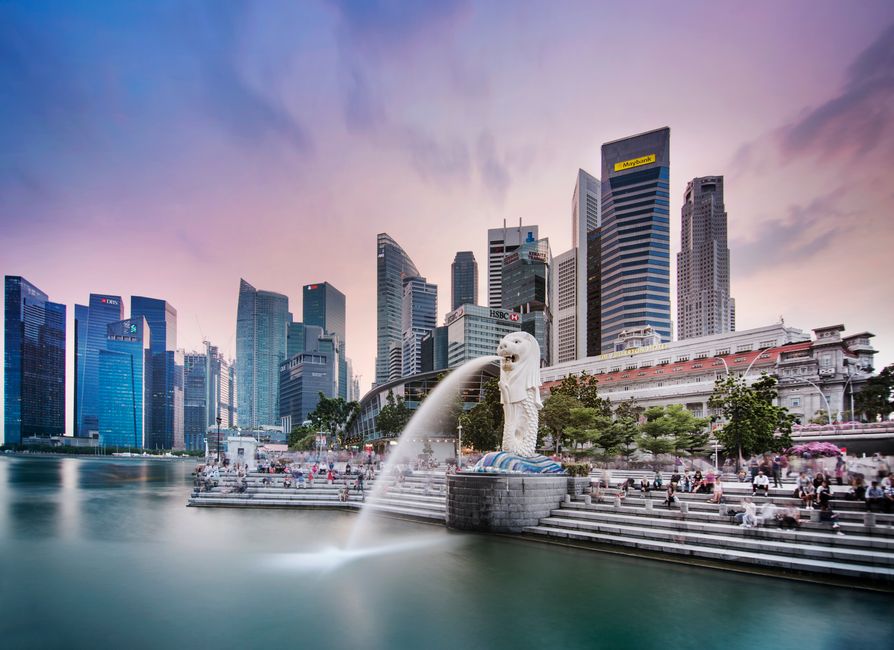
His approach diverges sharply from the towers dominating Raffles Place. Rather than chasing prime real estate, Nexus targets transitional areas: converted shophouses in Bugis, renovated industrial units near Kranji, even adaptive-use properties in Tiong Bahru. "Landlords were desperate to fill space," Ng recalls. "We came in with a model that solved their problem while solving our clients' problems simultaneously."
The strategy has attracted institutional interest. In March, a Singapore-based sovereign wealth fund took a 15% stake in the company, valuing Nexus at approximately S$1.2 billion. Industry analysts view the investment as a signal that flexible workspace is no longer a niche trend but a structural feature of Singapore's commercial landscape.
As corporations grapple with hybrid mandates and real estate costs, Ng's willingness to think beyond glass towers has positioned Nexus as a bellwether. His next move—a S$85 million mixed-use development in Tiong Bahru combining office, co-working, and light retail—suggests the entrepreneur isn't slowing down. In a market historically defined by megaprojects and multinational developers, one local player has quietly rewritten the playbook.
This article was compiled by AI from the sources linked above and screened before publishing. See our editorial standards.