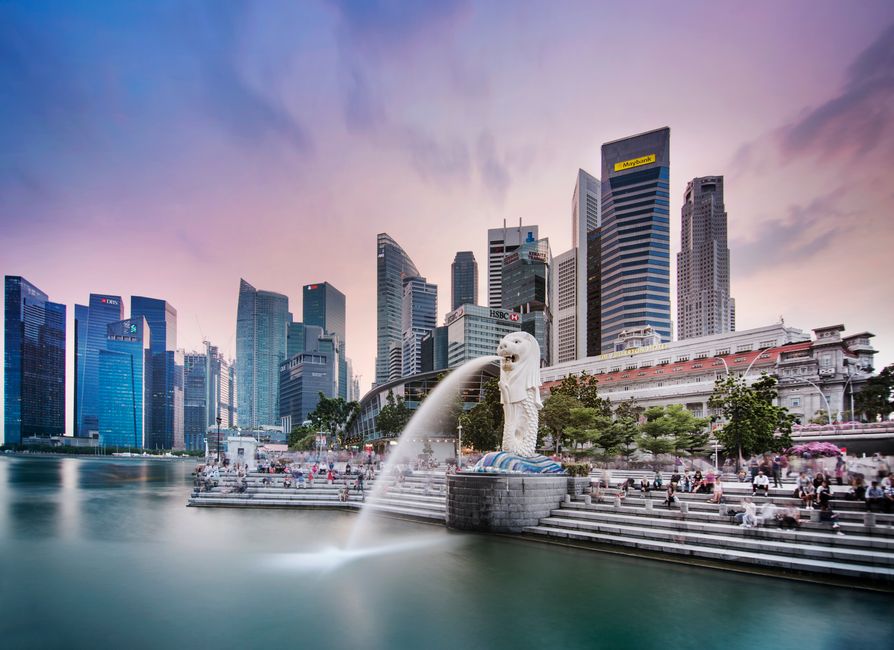
If you've noticed longer queues at Lau Pa Sat or struggled to find a table at your regular zi char spot on Jalan Besar, you're witnessing something economists call the tourism boom's hidden tax on daily life. With visitor arrivals projected to reach 19 million this year—nearly triple Singapore's resident population—understanding how tourism reshapes your everyday experience has become genuinely important.
The numbers tell a story many residents are already living. Hotel occupancy rates in the Marina Bay and Orchard areas hover around 85-90%, driving up property values and rental costs across connected neighbourhoods. Commercial rents along Orchard Road have climbed 12-15% year-on-year, a trend that filters down to retail and F&B tenants. When your favourite independent coffee shop on Tiong Bahru Road or Emerald Hill pays double the rent from five years ago, pricing pressures inevitably follow.
Food hawkers in high-traffic zones report shifting customer profiles. A bowl of laksa that cost $4.50 three years ago now routinely sells for $5.50 or more in areas like Chinatown and the Singapore River precinct—not purely from inflation, but because tourist footfall supports higher margins. Meanwhile, hawkers in quieter neighbourhoods like Bukit Merah or Woodlands often maintain lower prices, creating a two-tiered food economy within our own city.
Peak-season congestion affects everyone. Visitor surges during school holidays and major events strain public transport, particularly the Circle Line serving tourist hotspots like Marina Bay, and create bottlenecks at hawker centres and shopping malls during weekends. The Singapore Tourism Board and Ministry of Trade and Industry have acknowledged this, investing in crowd management technology and staggered ticketing for attractions, but residents still bear the friction.
There's an upside worth acknowledging: tourism generates roughly $27 billion in visitor spending annually, funding infrastructure upgrades, park improvements, and cultural programming that benefit residents year-round. The Gardens by the Bay, upgraded east coast parks, and expanded public transport capacity exist partly because tourism tax revenue justified the investment. Local employment in hospitality and related sectors also supports many families.
The real issue is visibility and choice. Most residents don't track tourism metrics or understand how visitor seasons affect pricing and access. Some practical steps: eat hawker meals during off-peak hours (mid-afternoon, weekday lunchtimes), avoid major attractions during June-August and December school breaks, and monitor hotel occupancy indices—when they spike, expect ripple effects across retail and dining.
Tourism isn't an abstraction happening to someone else's city. It's reshaping prices, crowds, and daily rhythms for everyone who lives here. The conversation shouldn't be whether tourism is good or bad, but how we ensure its benefits are shared fairly and its costs don't erode the livability that makes Singapore worth visiting in the first place.
This article was compiled by AI from the sources linked above and screened before publishing. See our editorial standards.