Why Singapore's Art Scene Is Suddenly Electric Again
A wave of experimental galleries, ambitious museum expansions and international artist residencies is reshaping how locals engage with contemporary art.
3 min read
A wave of experimental galleries, ambitious museum expansions and international artist residencies is reshaping how locals engage with contemporary art.
3 min read
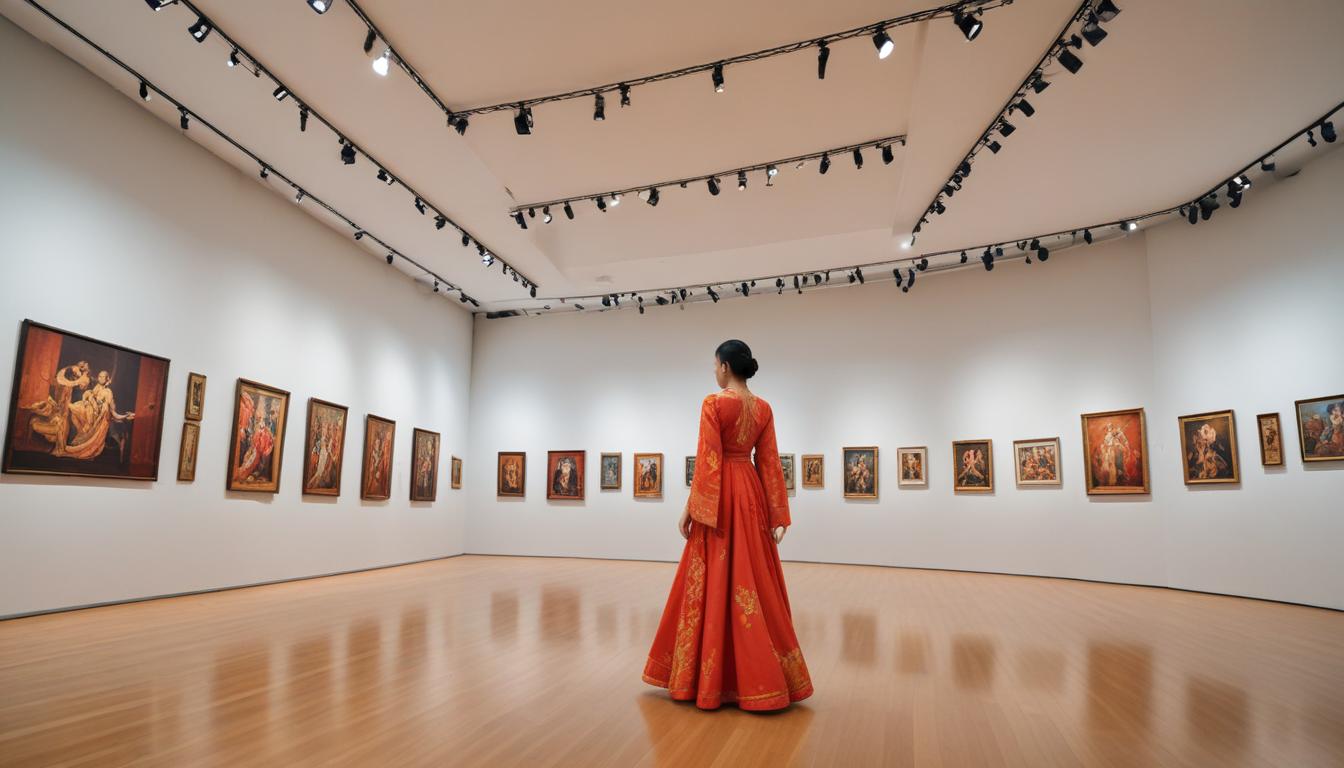
Walk through Gillman Barracks on a Saturday afternoon and you'll notice something that felt absent just two years ago: queues outside gallery spaces, crowded conversations spilling onto the grass, a tangible sense that something culturally significant is happening in Singapore.
This suburban pocket in the south-western corner of the island has quietly become the epicentre of a broader arts renaissance that's captured local attention in ways the city's cultural scene hasn't experienced in years. The converted military barracks—home to over two dozen artist-run and independent galleries—is seeing unprecedented visitor numbers, particularly among younger Singaporeans aged 25 to 40 who've historically been dismissive of the local art world.
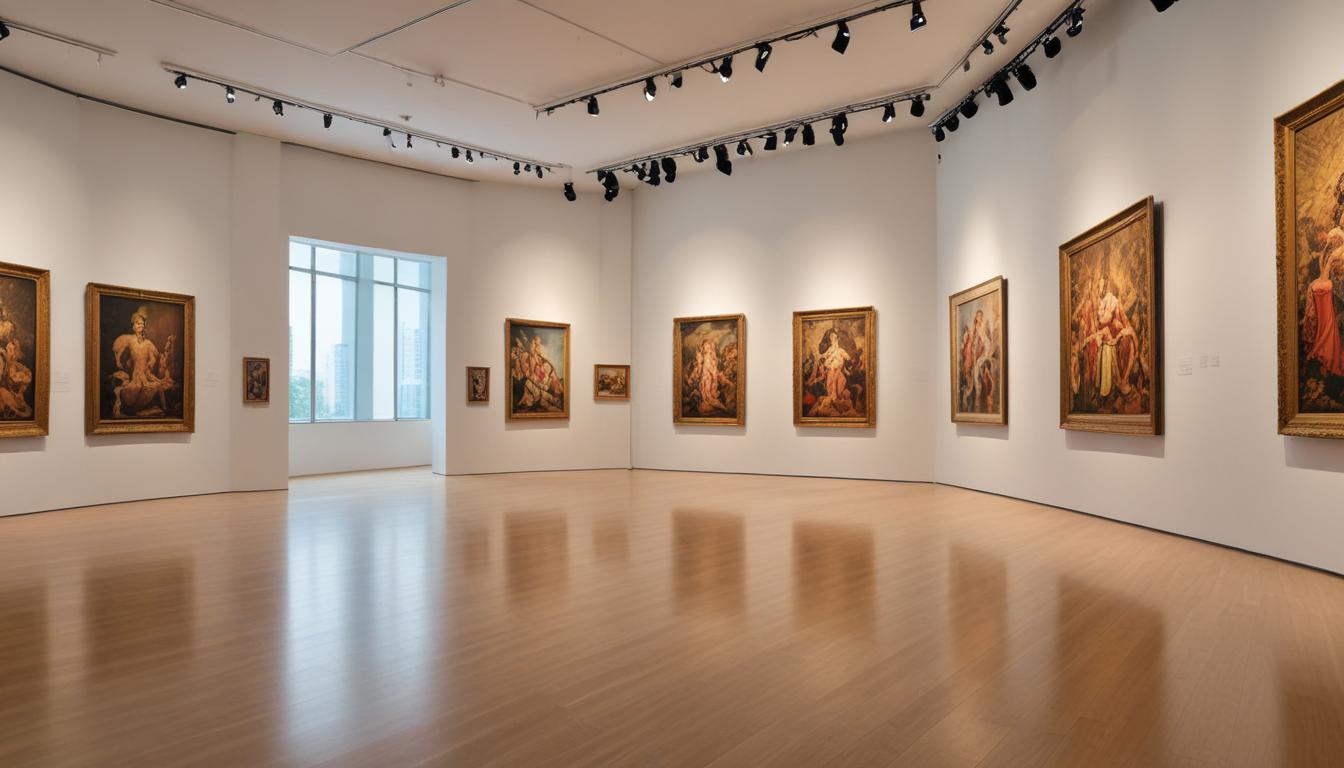
The shift isn't accidental. The National Gallery Singapore's recent acquisition of significant Southeast Asian modernist works has sparked broader conversations about regional artistic identity. Meanwhile, smaller venues like those clustered around Tiong Bahru and the evolving scene at Block 43 in Joo Chiat have democratised art access, with many hosting free or low-cost exhibitions that attract crowds the institution-heavy model never managed.
"There's a palpability to the conversation now," says the arts community, noting that social media discourse around local exhibitions has intensified markedly. Instagram engagement with Singaporean gallery posts has grown approximately 180 per cent year-on-year, reflecting genuine grassroots interest rather than algorithmic amplification.
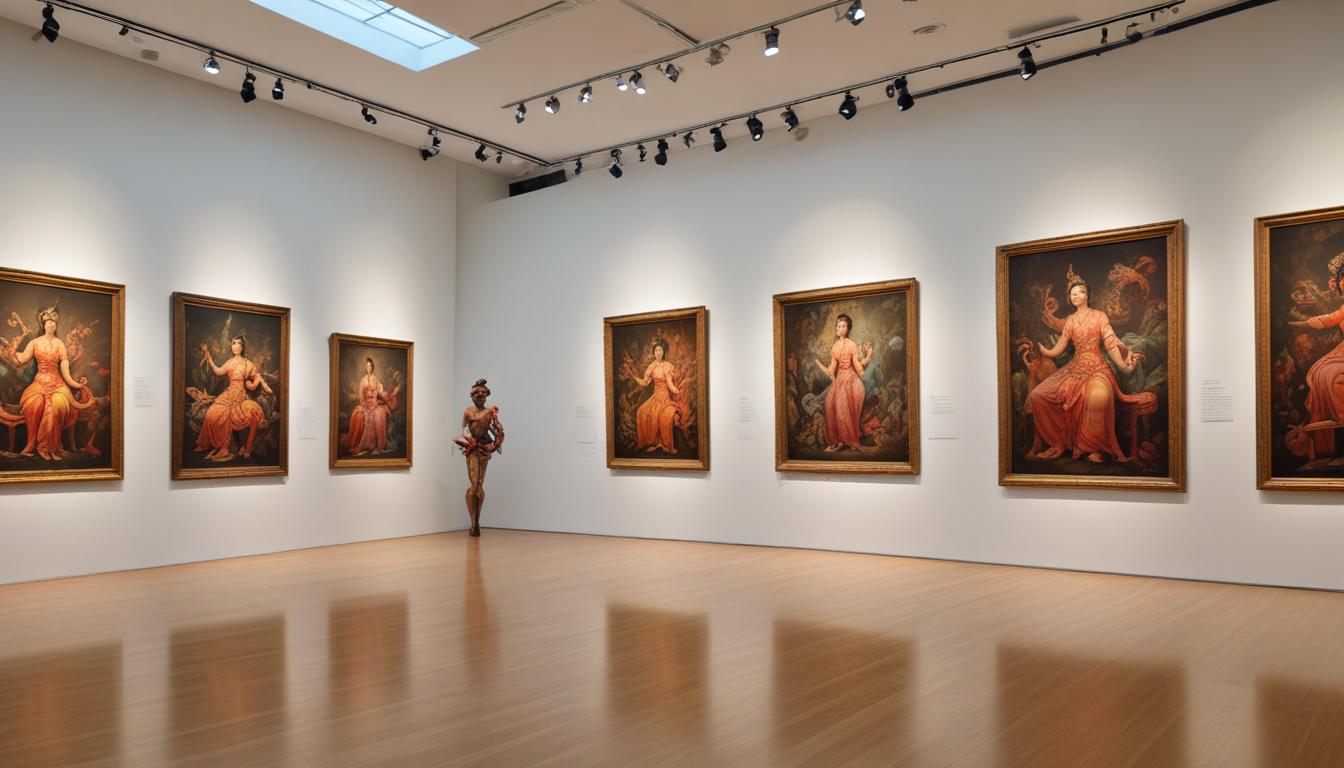
Several factors are converging. International artist residency programmes—particularly those run through platforms like Art Week Singapore partnerships—are bringing global practitioners into dialogue with local creators. Museums like the Asian Civilisations Museum have shifted toward more experimental curation, moving beyond traditional presentation models. The Esplanade's expanded visual arts programming has elevated profile considerably.
Importantly, gallery entry fees remain relatively affordable, with most Gillman Barracks venues charging $0-15 SGD, making art consumption less exclusive than Singapore's reputation suggests. This accessibility is driving footfall, particularly among students and young professionals.
The economics matter too. While Singapore's art market remains modest compared to Hong Kong or Shanghai, local auction houses report stronger interest in emerging Southeast Asian artists. Collectors increasingly view the island as a serious regional hub rather than merely a wealthy shopping destination.
For a city that's historically struggled with the perception of being culturally transactional rather than creatively generative, this moment feels genuinely different. Whether it sustains depends on whether institutions continue investing in accessibility and risk-taking over prestige-driven acquisitions.
This article was compiled by AI from the sources linked above and screened before publishing. See our editorial standards.
About this article
Published by The Daily Singapore
Spread the word
Daily brief
Free, in your inbox before 7am. Weekdays.
The Daily Network — local news across Australia