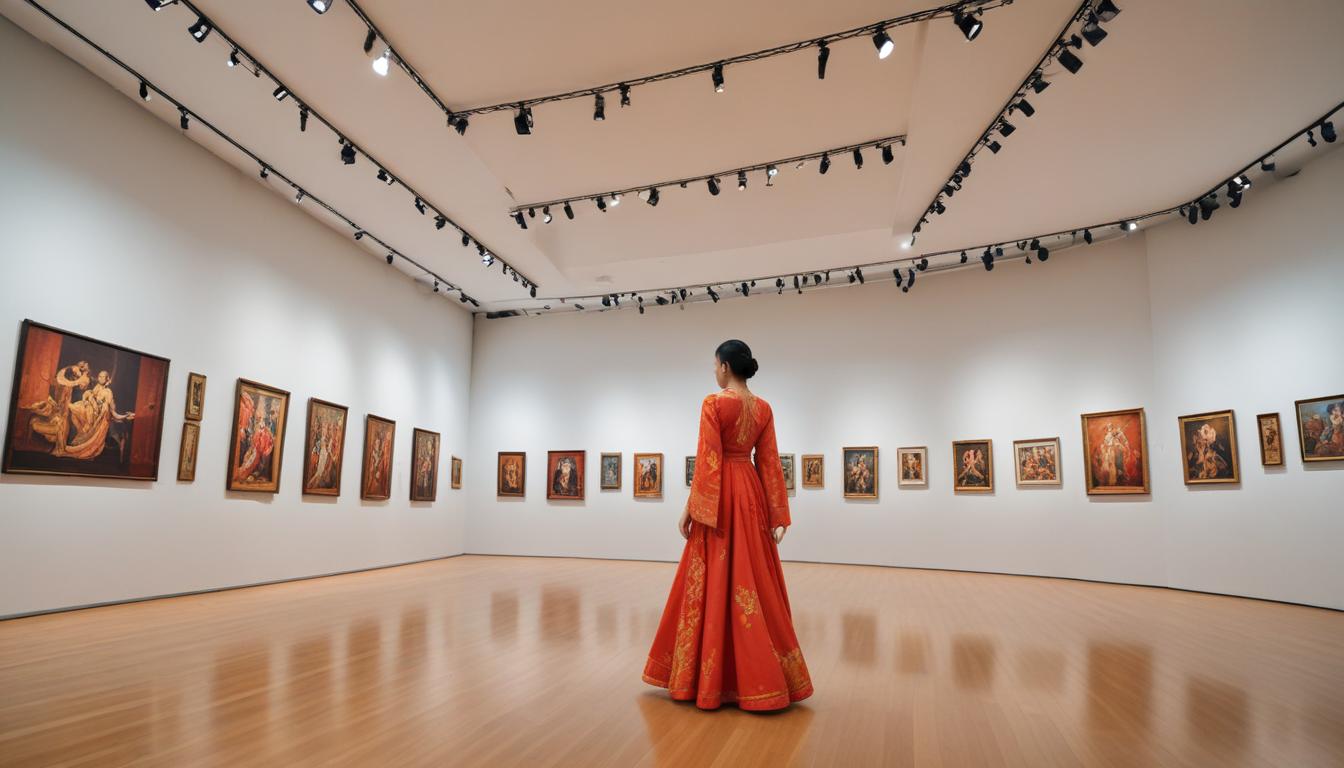
How Singapore's Gallery and Museum Renaissance is Reshaping the City's Creative Soul
From Gillman Barracks to the National Gallery, institutions are no longer just preserving culture—they're actively defining what it means to be Singaporean in 2026.
This article was generated by AI from the linked public sources. The Daily Singapore is independently owned and covers Singapore news free from advertiser or sponsor influence. Read our editorial standards →
Walk through Tanjong Pagar on a Friday evening and you'll witness something that seemed unlikely a decade ago: queues of young Singaporeans lined up outside converted warehouses and contemporary art spaces, treating gallery-hopping with the same enthusiasm others reserve for new restaurant openings. This shift signals something deeper than mere leisure trends. Singapore's flourishing arts institutions have become the primary architects of how the city sees itself—less as a sterile financial hub, more as a place where creative identity matters.
The transformation is tangible. The National Gallery Singapore, which occupies the former Supreme Court and City Hall buildings at St. Andrew's Road, has become a cultural anchoring point since opening in 2015. With annual visitor numbers consistently exceeding 1.2 million, it functions less as a museum and more as a civic space where Singaporeans grapple with their own stories. Its Southeast Asian art collection—particularly works exploring migration, identity, and postcolonial memory—has proven unexpectedly resonant, suggesting audiences are hungry for narratives that reflect their lived experiences.
Equally significant is the Gillman Barracks precinct in Block 71, where a cluster of independent galleries including Mizuma Gallery, ShanghART, and Chan + Hori Contemporary have created something Singapore previously lacked: a genuine cultural ecosystem driven by artist and curator vision rather than institutional mandates. Rental prices—averaging $8,000 to $15,000 monthly for gallery spaces—remain steep, yet the district has attracted international galleries precisely because Singapore's collectors and audiences are now serious.
But perhaps the most revealing indicator of cultural identity formation is how institutions are programming. Museums here increasingly feature works by homegrown artists alongside international names. The Singapore Art Week, now an established calendar fixture, has evolved from corporate hospitality theatre into a genuine forum where local practitioners claim visibility. Young collectors aged 25-40 are driving acquisition patterns that favor Southeast Asian and Singaporean artists—a marked departure from the previous generation's fixation on blue-chip Western names.
There's a risk in romanticizing this shift. Real affordability remains elusive for working artists; studio spaces in areas like Kranji and Tuas are increasingly priced out. Yet the momentum is undeniable. When a city's institutions begin reflecting its inhabitants back to themselves—rather than simply displaying inherited cultural canon—something fundamental shifts in how people understand their place in the world.
Singapore's galleries and museums aren't just chronicling culture anymore. They're actively writing the next chapter of what this island imagines itself to be.
This article was compiled by AI from the sources linked above and screened before publishing. See our editorial standards.
Covering culture in Singapore. This article was generated by AI from the linked sources and was not reviewed by a human editor before publishing. See our editorial standards.