Singapore's arts scene has a problem. For decades, the National Arts Council and major institutions have shaped cultural conversation, but younger practitioners are carving out spaces where experiment matters more than prestige. Tonight, if you know where to look, you'll find emerging choreographers presenting solo works in black-box theatres, filmmakers screening unfinished projects in café basements, and writers reading work that would never get past editorial committees elsewhere.
The shift matters now because the generation coming of age artistically—most under 35—refuses to wait for institutional validation. They're building distribution networks, curatorial platforms, and audiences without waiting for funding from traditional sources. This isn't rebellion for its own sake; it's pragmatism. With fewer stable arts jobs and tighter government budgets, the next voices are learning to hustle, collaborate, and build directly with audiences.
Underground Venues Becoming Cultural Laboratories
Start at Gillman Barracks in Block 8 of Bukit Merah, where independent collectives have occupied converted military buildings. Here, galleries like The Substation and small studios host experimental theatre, video installations, and artist talks that rarely make mainstream press. Three streets over in nearby Tiong Bahru, cafés like The Habit have begun hosting monthly poetry readings and live improvisation sessions on Friday nights. These aren't slick productions—they're rough, immediate, and where artists test ideas before they're ready for bigger stages.
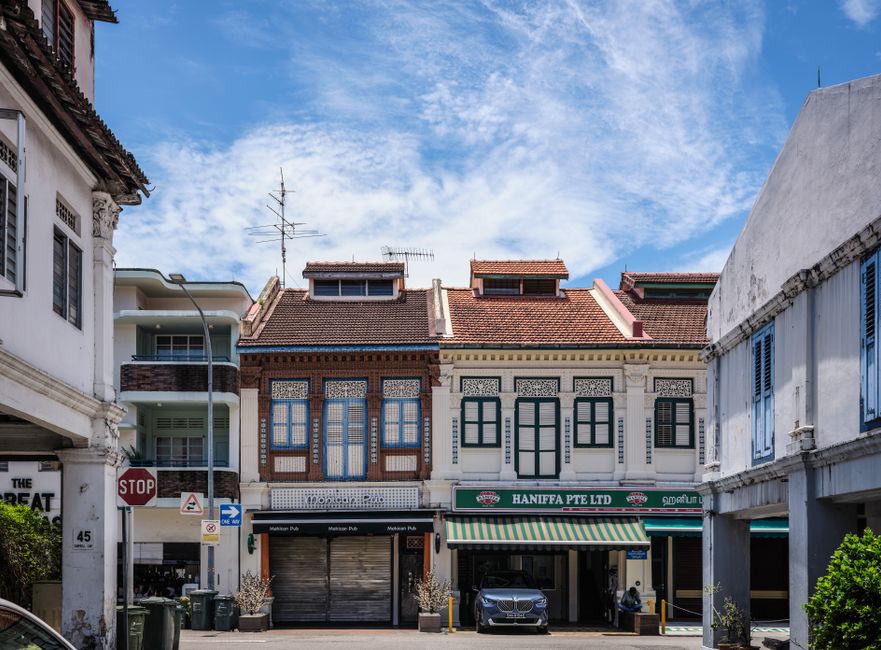
In Kampong Glam around Bussorah Street, underground electronic music collectives have claimed Sunday afternoons for DJ sessions and experimental sound design workshops. The neighborhood's heritage fabric provides ideal cover for subcultural activity; tourist foot traffic masks the fact that serious creative work happens in second-floor studios. One collective, based near the Sultan Mosque, curates monthly listening sessions where new producers premiere unreleased work.
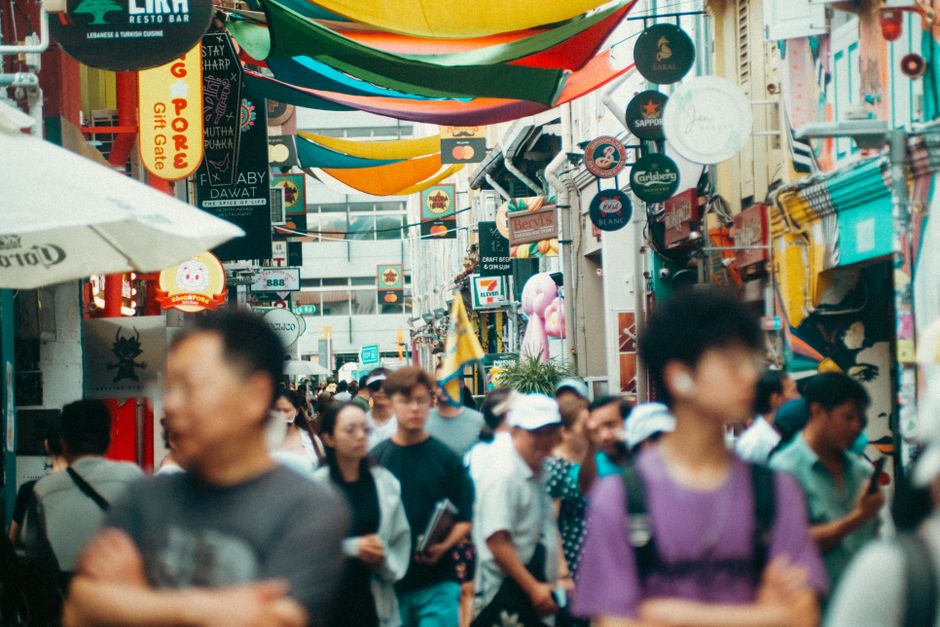
The pattern repeats in Chinatown. Independent bookshops and artist-run spaces along Eu Tong Sen Street have become nodes for a small but vocal literary community. Writers aged 25 to 32 are publishing through micro-presses and online journals, bypassing the traditional publishing gatekeepers that historically controlled Singapore's literary reputation.
Numbers Show the Shift Underway
Hard data on underground arts activity is sparse—by definition, these spaces often avoid official registration—but recent Arts Council surveys offer hints. In their 2025 cultural participation report, artists under 30 showed a 34% increase in self-organized exhibitions compared to 2023. Average attendance at artist-run events in converted industrial spaces exceeded 120 people per session, suggesting real audiences exist beyond institutions. Ticket prices at independent venues average $12 to $18, undercutting major theatres' $45 to $65 standard rates.
Funding tells another story. A 2025 Heritage Fund audit noted that grants to artists under 35 remained flat at roughly 18% of total disbursements despite their growing activity. Many emerging practitioners earn income through freelance creative work, teaching part-time at polytechnics like Ngee Ann, or gig economy jobs entirely outside the arts. This precarity breeds innovation; artists experiment precisely because they have nothing to lose.
If you're exploring tonight, prioritize two strategies. First, follow independent artist social media accounts rather than official venue pages—collectives announce events through Instagram Stories and Telegram channels first. Second, visit established neighborhoods with cheap rent and existing artist populations: Tiong Bahru, Gillman Barracks, and areas around the Singapore Art Museum in Museum Planning Area. Ask staff at independent bookshops or cafés; word-of-mouth remains how underground events spread. Expect no advance publicity, occasional schedule changes, and the possibility of walking into something genuinely surprising.