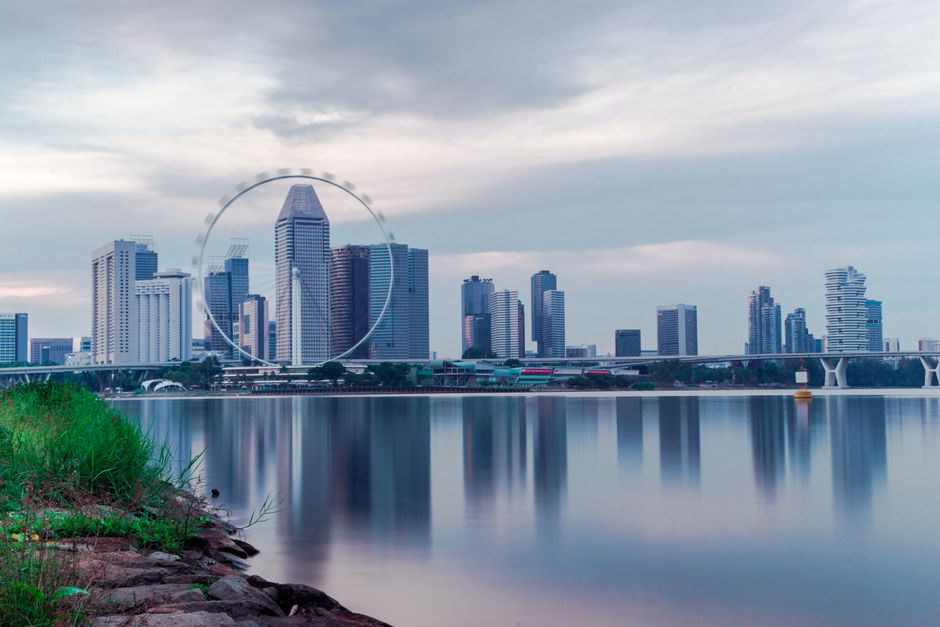
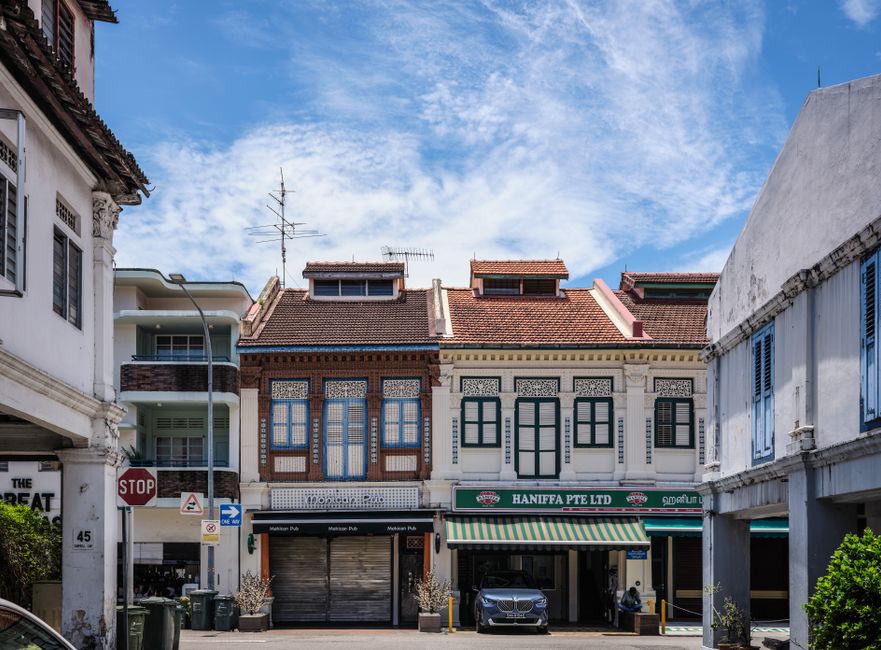
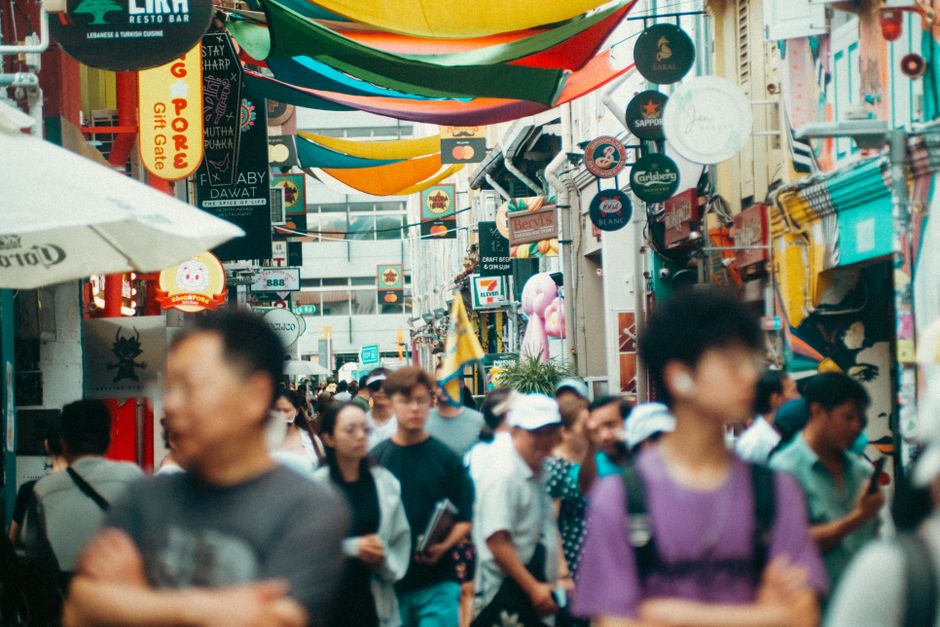
Singapore's cultural calendar has become the most reliable indicator of how the island is recalibrating its identity. Walk through the Arts House on Queen Elizabeth Walk any evening this week and you'll see young artists, musicians and performers treating the 19th-century neoclassical building as their creative laboratory—a sharp contrast to the image of Singapore as a purely transactional financial hub.
The shift matters because it reveals something fundamental about how Singaporeans under 40 are choosing to spend their time and money. While global headlines fixate on geopolitical turbulence—conflicts reshaping Eastern Europe, climate catastrophes across West Africa and the Middle East, economic pressures mounting everywhere—Singapore's creative class is quietly asserting that culture and artistic expression are no longer luxuries. They are central to how the city defines itself.
Today's programming tells this story plainly. The National Gallery Singapore, situated at the former Supreme Court building on St. Andrew's Road, continues its exhibition calendar with rotating installations that draw 4,000 to 8,000 visitors monthly. But the real action is happening in spaces like the Esplanade Concourse, where street-level programming—indie performances, design workshops, film screenings—pulls foot traffic that would have seemed impossible a decade ago. The Esplanade's 2025 annual report documented 2.3 million visits across its theatres and public spaces, a 12 percent increase on the previous year.
From Institutional Support to Grassroots Momentum
The Singapore Arts Festival, though its main programming runs across June and July, has become a flashpoint for how the city's cultural infrastructure is evolving. The festival's budget of SGD 8.2 million (approximately USD 6 million) supports 300-plus artists and programming across 40 venues. But what's striking is how much momentum originates outside institutional funding. Independent collectives like The Substation in Bukit Pasoh operate on shoestring budgets yet punch above their weight, hosting experimental theatre, electronic music nights and artist residencies that shape emerging creative voices.
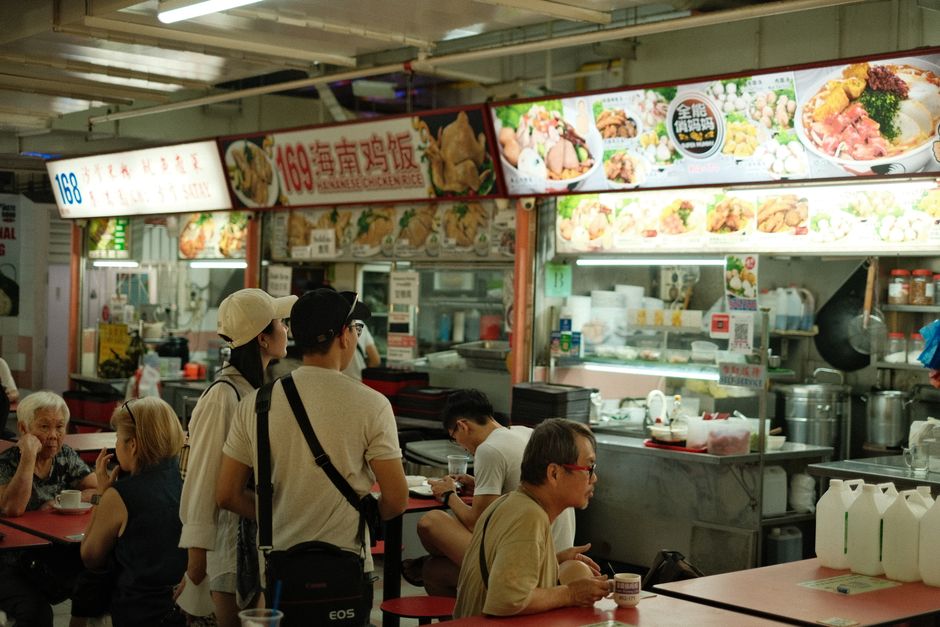
Chinatown Complex on Sago Street has become an unlikely cultural anchor. The Heritage Board restored sections of the 1970s wet market structure, and today artists rent affordable studio spaces within the building. Painters, sculptors and digital artists work alongside fishmongers and textile vendors, creating a genuinely mixed-use cultural district rather than the sanitised cultural precincts found elsewhere. Studio rent here runs SGD 400 to 800 monthly—achievable for early-career creators who would be priced out of Raffles Place or Marina Bay developments.
Why This Moment Captures Something Real
Singapore's economy remains resilient, but young professionals increasingly view cultural participation as non-negotiable. A 2025 survey by the National Arts Council found that 67 percent of 25-to-40-year-olds had attended at least one cultural event in the previous 12 months—up from 51 percent in 2018. Spending on arts experiences grew 23 percent over the same period, even as discretionary spending in other sectors stalled.
The economics are straightforward. Tickets to theatre productions at the Esplanade or Drama Centre range from SGD 25 to 85. Independent venue nights cost SGD 10 to 20. Art workshops and classes at community centres run SGD 30 to 150 per session. These are genuine purchases by people choosing to invest time and money in creative experiences.
If you're in Singapore today, the practical move is to check what's happening at three anchors: the Esplanade's free concourse programming (no booking required), any ticketed show at Drama Centre or the Arts House, or a walk through Chinatown Complex to see artist studios and catch impromptu workshops. These venues reveal how the city actually spends its creative energy when the world isn't watching. That's where Singapore's cultural identity lives now.