Tracing the History and Evolution of Singapore’s Arts and Culture Scene
From Kampong Glam’s cultural roots to the cutting-edge programming at the National Gallery, Singapore’s arts scene reflects decades of transformation and growth.
3 min read
From Kampong Glam’s cultural roots to the cutting-edge programming at the National Gallery, Singapore’s arts scene reflects decades of transformation and growth.
3 min read
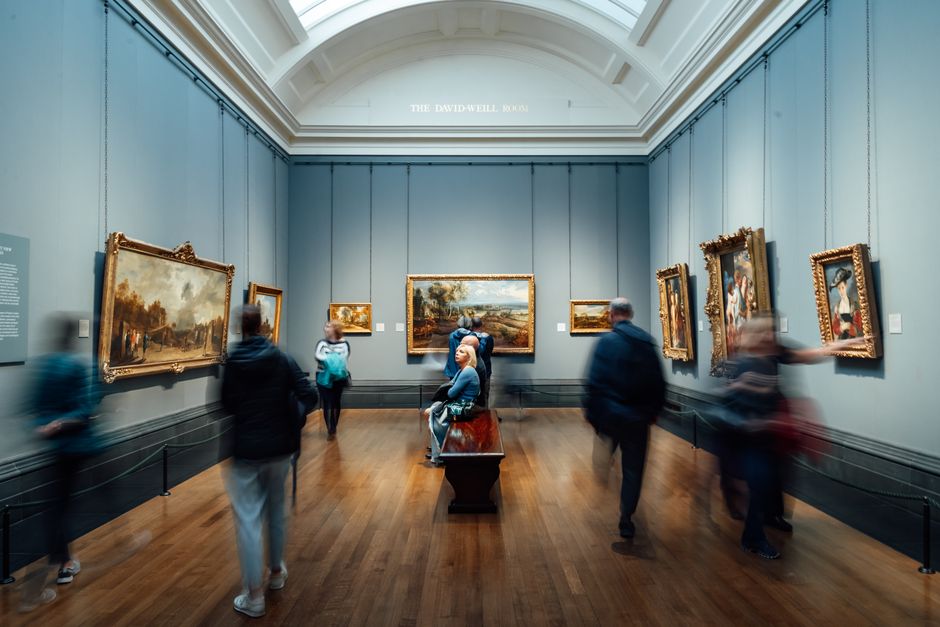
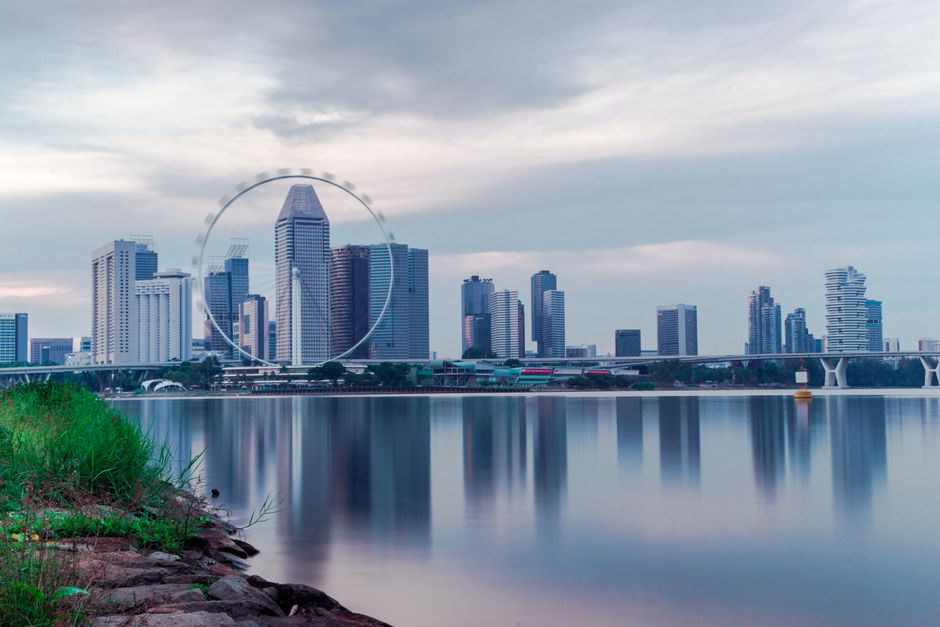
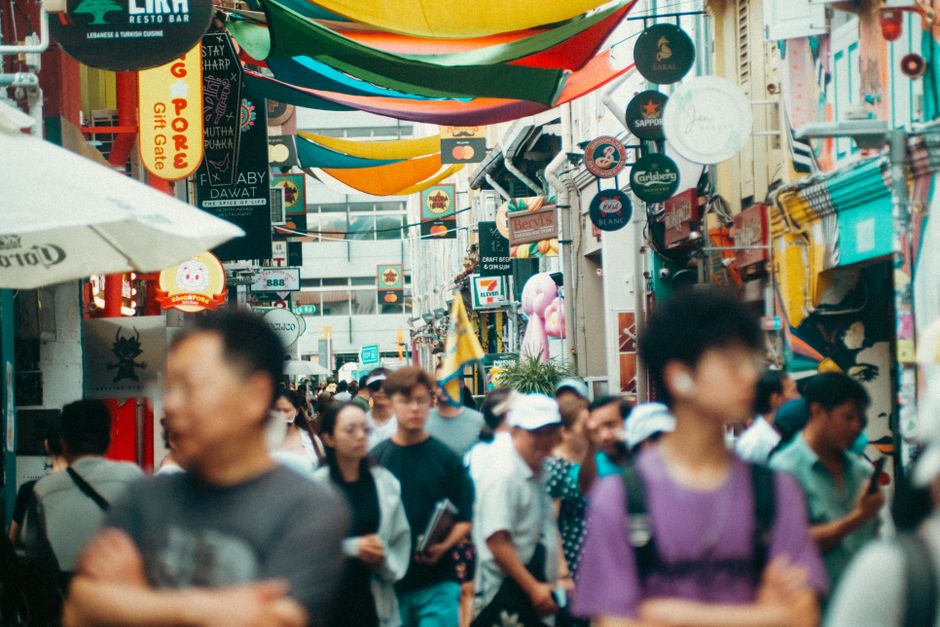
Singapore offers a vibrant palette of arts and culture activities today, blending a rich heritage with contemporary innovation. Visitors and locals can immerse themselves in experiences that reveal the city-state’s evolution from a colonial trading post to a global cultural hub.
This history matters especially now as Singapore celebrates over 60 years of independence and continues to promote the arts as a pillar of national identity and economic diversification. In 2026, with ongoing government support and initiatives like the Singapore Culture Plan 2030, the scene’s ongoing development invites deeper appreciation of how far creative expression has come.
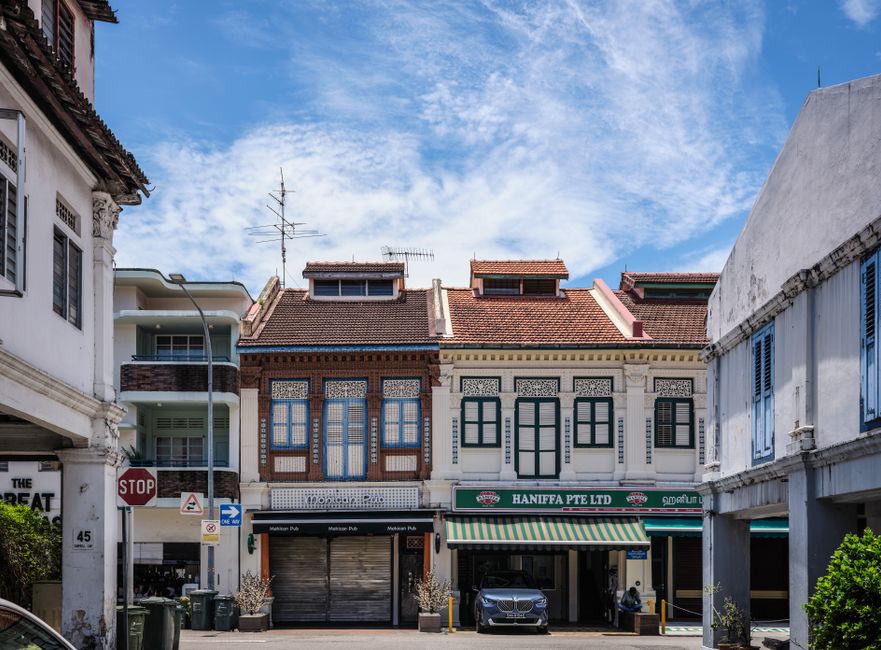
A walk through Kampong Glam offers a living snapshot of Singapore’s artistic heritage. This historic district around Bussorah Street and Arab Street showcases traditional Malay-Muslim culture through textiles, crafts, and halal culinary arts. The area’s conservation efforts, led by the Urban Redevelopment Authority, preserve its distinct shophouses while supporting contemporary artisan boutiques and galleries.
On the other end of the spectrum is the National Gallery Singapore, housed in the former Supreme Court and City Hall buildings on St. Andrew’s Road. Since opening in 2015, it has served as a beacon for Southeast Asian art, with over 8,000 pieces spanning the 19th century to the present. The Gallery’s rotating exhibitions and public programs have drawn millions of visitors and boosted interest in the region’s artistic narratives.
The Singapore Tourism Board reports that cultural tourism contributed approximately S$4.5 billion to the local economy in 2025, a 12 percent increase from 2023. Spending on cultural events, theatre, museums, and heritage sites continues to rise, reflecting a strong appetite among both residents and tourists. Admission prices remain accessible, with many public museums charging modest entry fees ranging from S$5 to S$20 or offering free access on select days, ensuring broad engagement.
Furthermore, the National Arts Council’s statistics reveal that from 2010 to 2025, registered arts groups in Singapore nearly doubled, marking greater institutional support and diversity in creative disciplines. This includes growing numbers in visual arts, performing arts, and literary initiatives, fueled by funds like the Arts and Culture Resilience Package launched in 2024.
For those seeking to dive into Singapore’s evolving cultural landscape today, the National Library at Victoria Street hosts an exhibition titled "Singapore Stories: Past and Present," available through July 2026. Elsewhere, the red dot design museum on Armenian Street invites visitors to explore local design evolution—a complementary perspective on how arts and culture intersect with everyday life.
Looking forward, Singapore’s cultural calendar for the rest of 2026 promises exciting festivals such as the Singapore Writers Festival in November and the Singapore Arts Festival in September. These events underscore the scene’s ongoing vibrancy and commitment to showcasing local talents on the world stage. For residents and tourists, tapping into these experiences offers both enrichment and a deeper connection to Singapore’s dynamic cultural journey.
About this article
Published by The Daily Singapore
Spread the word
Daily brief
Free, in your inbox before 7am. Weekdays.
Before you go
The day's Singapore news in a 2-minute read. Free, weekday mornings.