Tracing the Roots and Evolution of Singapore’s Vibrant Cultural Scene
From colonial arts venues to modern festivals, exploring how Singapore’s cultural landscape has shaped what to do around town today.
3 min read
From colonial arts venues to modern festivals, exploring how Singapore’s cultural landscape has shaped what to do around town today.
3 min read
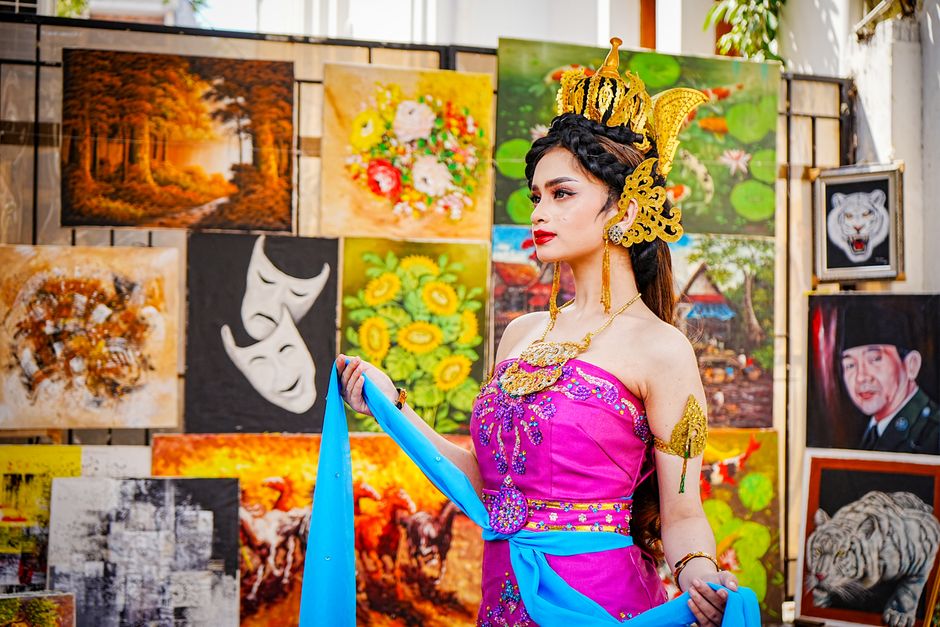
Singapore offers a rich tapestry of cultural activities today, rooted deeply in its history and evolution from humble colonial beginnings to a global arts hub. From heritage shows in Chinatown to contemporary art exhibitions at Gillman Barracks, understanding this progression brings fresh appreciation to the city’s diverse offerings.
Singapore’s cultural landscape traces back to the 19th century, when early theatres and music halls like the Victoria Theatre on Empress Place introduced Western and local performing arts to the populace. The theatre was pivotal for showcasing Malay, Chinese, and Indian arts alongside British colonial performances. Post-independence, the government invested in infrastructure such as the National Theatre (opened 1963) and the Esplanade - Theatres on the Bay (opened 2002), signifying a commitment to nurturing the arts as part of national identity.
Neighbourhoods like Kampong Glam and Little India remain vibrant cultural enclaves, maintaining traditions through the Sultan Mosque and Sri Veeramakaliamman Temple, while also hosting contemporary cultural programs. More recent developments like the rejuvenation of Gillman Barracks, a former military camp transformed in 2012 into a contemporary art cluster, further illustrate the city’s trajectory from traditional to avant-garde arts.
Today, cultural activities abound across Singapore. The Singapore Arts Festival, launched in 1977 and running annually with support from the National Arts Council (NAC), showcases performing artists locally and internationally. Around Bras Basah.Bugis precinct, institutions such as the National Museum of Singapore and the Singapore Art Museum serve as touchstones for historical and contemporary exhibitions. Prices for ticketed shows generally average between S$20 to S$60, making the arts accessible to broad segments of the population.
According to the NAC’s 2025 report, attendance at national arts events rose by 12% over the past year, reflecting growing public engagement. Grants and subsidies foster community theatre groups and emerging artists, bolstering a diverse creative ecosystem. The city’s ongoing efforts to integrate heritage preservation with modern creativity underpin a strong cultural identity that is a draw for both residents and tourists alike.
For residents and visitors wishing to immerse themselves in Singapore’s cultural scene today, a mix of traditional and modern experiences awaits. From catching a traditional wayang performance at the Esplanade to exploring pop-up art installations at Gillman Barracks, the city offers a layered journey through its cultural evolution. Checking program schedules for the National Gallery Singapore or participating in guided heritage walks around Chinatown can also deepen this connection.
Ultimately, Singapore’s cultural scene is more than leisure; it narrates the city’s story of resilience and transformation. This Fourth of July weekend, amidst international headlines and global events, locals can find meaning and enjoyment in exploring their dynamic cultural heritage right here at home.
About this article
Published by The Daily Singapore
Spread the word
Daily brief
Free, in your inbox before 7am. Weekdays.
Before you go
The day's Singapore news in a 2-minute read. Free, weekday mornings.